Ancient Ape Found in Egypt May Be Our Earliest Ancestor
Scientists in Egypt discovered fossils of a 17 million year old ape that could be the closest ancestor to all living apes, including humans. The find suggests our evolutionary story began in North Africa, not East Africa as researchers believed for decades.
A team of scientists in Egypt just rewrote a major chapter of human evolutionary history, and the discovery happened in a place researchers weren't even looking.
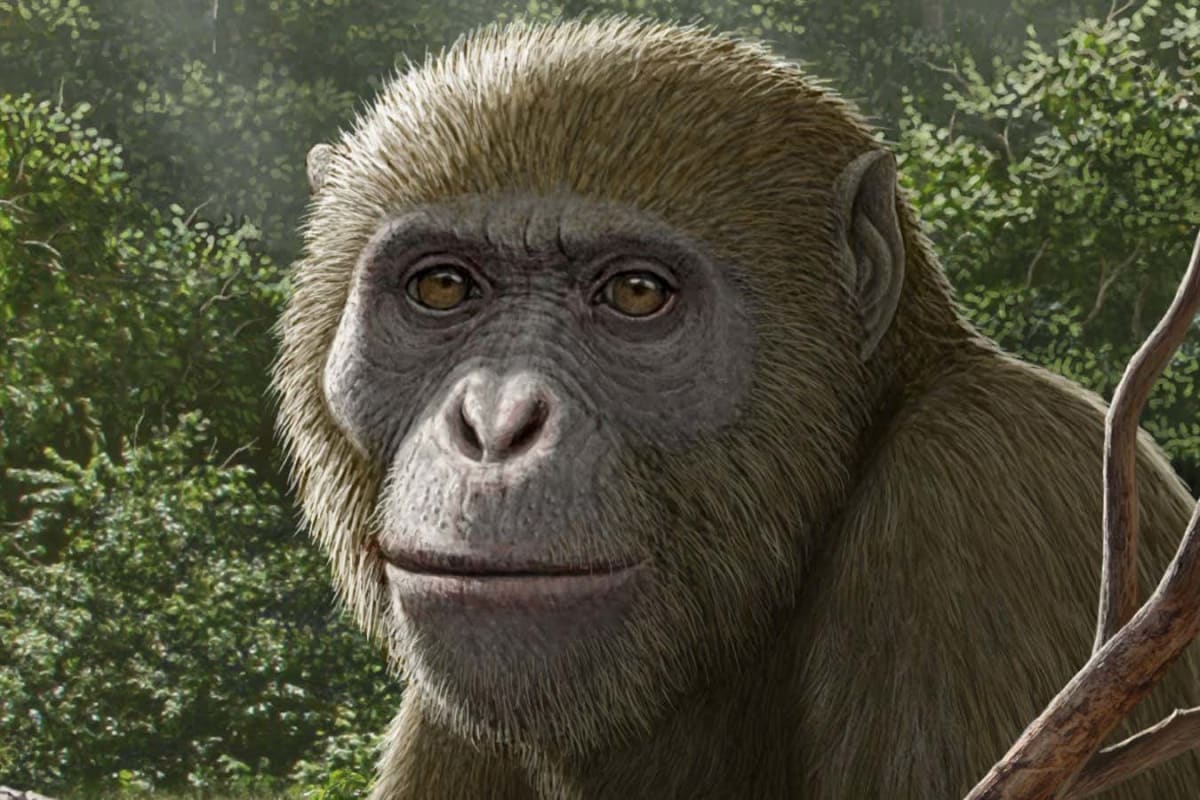
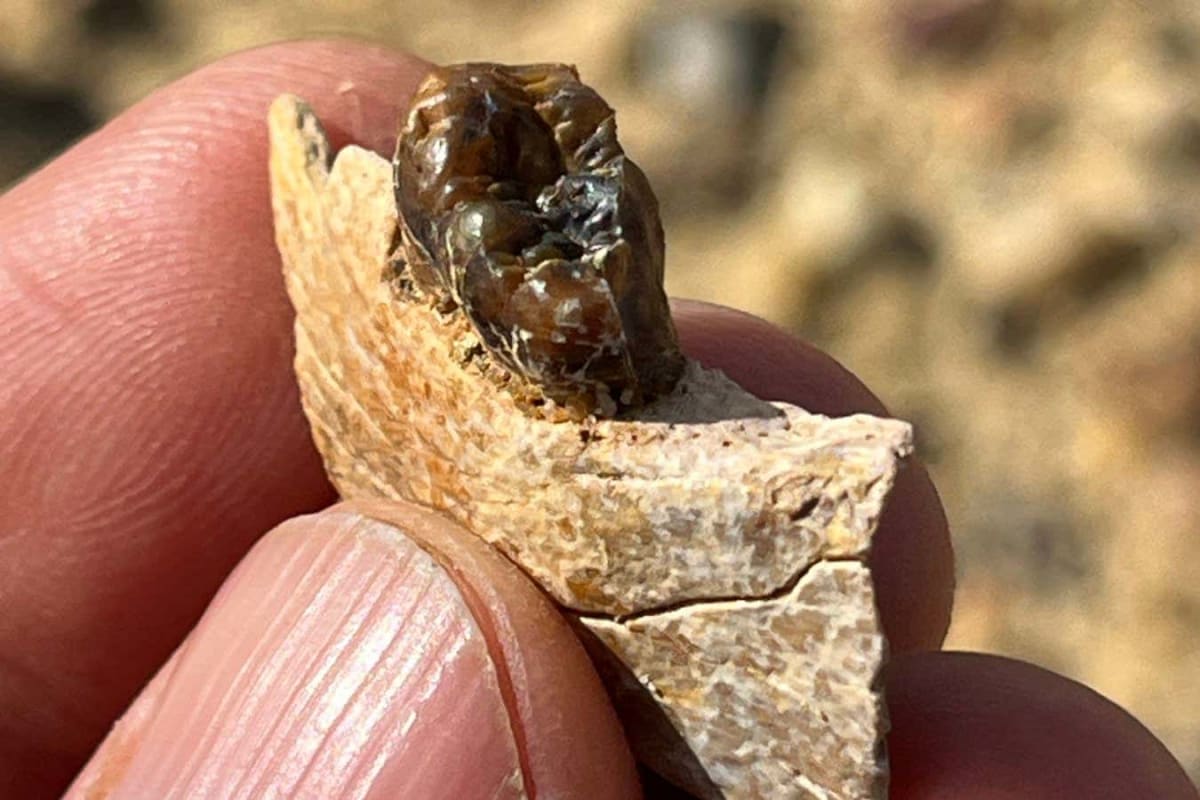
In 2023 and 2024, archaeologists at the Wadi Moghra site in northern Egypt unearthed teeth and jawbones from an ancient ape species that lived about 17 million years ago. The fossils belong to a newly identified species called Masripithecus moghraensis, and scientists believe it may be the closest known ancestor of all modern apes, including humans, gorillas, chimpanzees, and gibbons.
Shorouq Al-Ashqar at Mansoura University led the team that found four specimens in total. Two of them included a jawbone fragment with molar teeth still intact, giving researchers crucial clues about how this ancient creature lived.
The fossils tell a fascinating story. The ape weighed about 25 kilograms, roughly the size of a small female chimpanzee. Its jaw structure and low, rounded, heavily ridged molars reveal it enjoyed a flexible diet, likely feasting on fruits but capable of crushing harder foods like nuts and seeds when needed.
What makes this discovery truly groundbreaking is the location. For decades, scientists assumed the first apes evolved in East Africa. This North African find flips that assumption on its head.
"For decades, palaeontologists have been, to some extent, sort of stuck finding the same kinds of species in the early Miocene of East Africa," says Erik Seiffert at the University of Southern California, who worked on the research. "Now we know that the story was different in northern Africa."
The Ripple Effect
This discovery does more than add one species to the fossil record. It fundamentally changes how scientists understand where and how apes first emerged on our planet.
By 16 million years ago, apes had spread from Africa to Europe and Asia. The North African origin story suggests these early ancestors may have taken different migration paths than researchers previously mapped. Understanding where we came from helps scientists piece together the environmental and evolutionary pressures that shaped not just apes, but eventually humans too.
The team identified M. moghraensis as a true ape through several telltale features, particularly where the two halves of the jawbone join and the nearly equal size of its second and third molars. These details might sound technical, but they represent millions of years of evolutionary adaptation.
The search continues for limb bones that could reveal whether M. moghraensis spent most of its time swinging through trees or walking on the ground, adding yet another piece to the puzzle of our ancient family tree.
More Images


Based on reporting by New Scientist
This story was written by BrightWire based on verified news reports.
Spread the positivity!
Share this good news with someone who needs it