Ancient Arctic Fish May Be Ancestor of Every Jaw on Earth
Scientists discovered 400-million-year-old fish fossils in the Arctic that could explain how humans and all other animals developed jaws and teeth. The tiny prehistoric fish had teeth on the roof of its mouth far earlier than researchers thought possible.
A fossilized fish smaller than your hand might hold the secret to why you can smile, speak, and eat.
Scientists studying ancient fish fossils from Arctic Canada have discovered evidence that could rewrite the story of how teeth evolved. The 400-million-year-old Romundina gagnieri had actual teeth on bony plates inside its mouth, pushing back the timeline for when jaws first appeared in the animal kingdom.
Researchers found the fossils back in 1995 on Prince of Wales Island, in what used to be an ancient seabed. At first, they thought the skull fragments were too smooth to have teeth. They set them aside for nearly three decades.
But modern technology gave these old bones new life. Scientists used synchrotron imaging, which creates 3D models using powerful X-rays from multiple angles, to peek inside the fragile fossils without breaking them. That's when they spotted something remarkable.
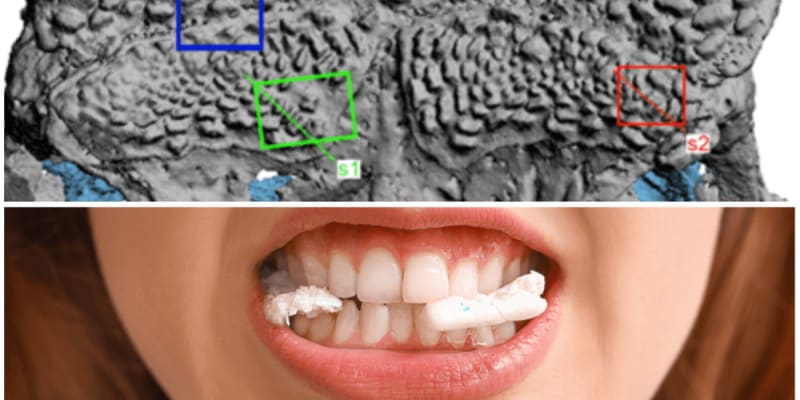
The scans revealed actual teeth, including hard mineralized bumps called odontodes, layered across the bony plates. These weren't just random bumps either. They were arranged in a circular pattern that suggests a completely different evolutionary path than scientists previously believed.
Why This Inspires
This discovery does more than solve an ancient puzzle. It shows us that major breakthroughs often come from taking a second look at what we thought we already understood.
Dr. Sébastien Olive, who led the research team at the Royal Belgian Institute of Natural Sciences, put it beautifully. "We are looking here at one of the first steps in tooth evolution," he said. "This allowed our distant ancestors to exploit new food sources and occupy new ecological resources."
The find challenges a 2020 study that argued teeth only appeared in the back of prehistoric fish mouths before moving forward. These Arctic fish had teeth spread throughout their mouths in a pattern that suggests a much earlier and more complex evolutionary story.
Scientists are still debating whether teeth first appeared on fish skin and moved inward, or started inside the mouth from the beginning. This discovery adds crucial evidence to that conversation. More research needs to happen before Romundina gagnieri gets officially crowned as the mother of all teeth, but the evidence is compelling.
The patient scientists who waited nearly 30 years for the right technology to examine these fossils remind us that some answers are worth the wait. Every jaw that ever bit into an apple, every smile that ever brightened a room, every word ever spoken might trace back to these tiny Arctic fish swimming in ancient seas.
More Images



Based on reporting by Google: fossil discovery
This story was written by BrightWire based on verified news reports.
Spread the positivity!
Share this good news with someone who needs it