Ancient Aspirin Cuts Cancer Risk by 50% in Major Trial
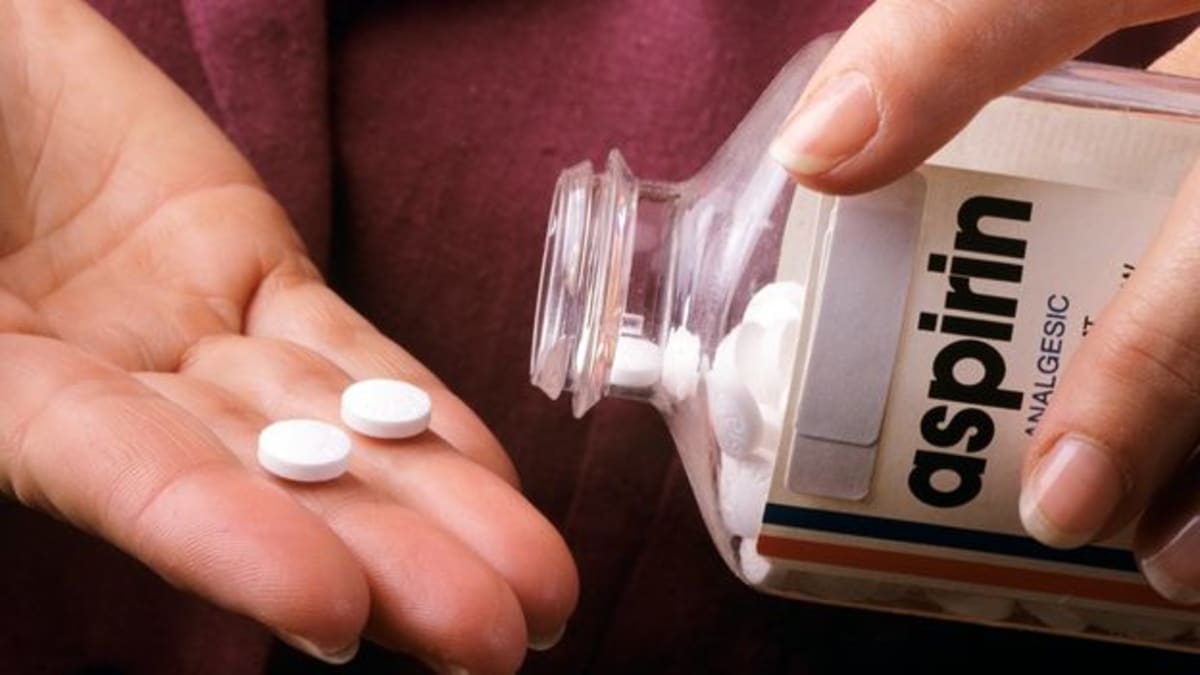
A 4,000-year-old painkiller is proving to be a powerful weapon against cancer. New research shows daily aspirin can cut cancer risk in half for high-risk patients, changing medical guidelines worldwide.
When Nick James learned he carried a gene that gave him an 80% chance of developing bowel cancer, he became the first person to try something surprising: fighting it with aspirin.
Ten years later, James remains cancer-free, thanks to a daily dose of the common painkiller. His success story is now backed by groundbreaking research that's transforming how doctors protect people at high risk of cancer.
Scientists at Newcastle University tracked 861 people with Lynch Syndrome, a genetic condition that makes bowel cancer almost inevitable. Those who took 600mg of aspirin daily for at least two years cut their cancer risk in half compared to those who didn't.
The findings are remarkable enough that several countries have already changed their medical guidelines. Doctors now recommend aspirin as a first line of defense for patients genetically prone to colorectal cancer, though only under medical supervision.
Aspirin's cancer-fighting journey began in 1972, when American researchers noticed something odd. Mice with tumors who drank aspirin-laced water had significantly less cancer spread through their bodies than untreated mice.
For decades, the discovery sat on the shelf. Nobody knew if it would work in humans, and testing it properly seemed nearly impossible since cancer takes so long to develop.
The breakthrough came when researchers focused on high-risk groups like Lynch Syndrome patients. These studies could show results faster because participants faced such elevated cancer odds to begin with.
Aspirin appears to work by thinning the blood and making platelets less sticky, which may prevent cancer cells from traveling through the body. The drug also seems to stop certain tumors from forming in the first place, though scientists are still piecing together exactly why.
Why This Inspires
What makes this discovery so powerful is its accessibility. Aspirin has been used safely for over a century, costs pennies per pill, and is available almost everywhere. A medicine derived from willow bark 4,400 years ago in ancient Mesopotamia is now offering hope to millions facing genetic cancer risk.
Professor John Burn, who led the landmark trial, has watched patients like Nick James thrive on aspirin for a decade without developing cancer. For families devastated by hereditary cancer, that's nothing short of life-changing.
The research opens doors for people who previously felt helpless against their genetic fate. While aspirin isn't recommended for everyone and requires doctor oversight, it represents real progress in cancer prevention that's already saving lives today.
Ancient wisdom meets modern science, and the result is hope you can hold in your hand.
More Images



Based on reporting by BBC Future
This story was written by BrightWire based on verified news reports.
Spread the positivity!
Share this good news with someone who needs it