%2Fhttps%3A%2F%2Ftf-cmsv2-smithsonianmag-media.s3.amazonaws.com%2Ffiler_public%2F3f%2F8b%2F3f8ba94f-bec9-40c9-b0c7-1b63c5ebea39%2F1280px-ancient_and_modern_4000_years.jpg)
Ancient Australian Rock Art Safe Despite Industrial Past
Scientists confirm that Australia's 50,000-year-old rock art collection survived industrial pollution, and current emissions pose no ongoing threat. The finding allows industry and heritage to coexist with proper monitoring.
The world's largest collection of ancient rock art is holding strong against modern industry, and scientists have good news about its future.
Up to two million petroglyphs dot the Burrup Peninsula in Western Australia, created over 50,000 years by the Ngarda-Ngarli people. The carvings show animals, plants, rituals and cultural practices that earned UNESCO World Heritage status in 2025.
For decades, locals worried that nearby fertilizer and gas plants might be destroying these irreplaceable engravings. Scientists launched a three-year study to find out, working alongside Aboriginal community members who've cared for this land since time immemorial.
The research team found something surprising. Yes, industrial pollution did damage the rock art, but the harm happened in the past, not today.
Sulfur dioxide from old shipping and industrial fuels created acid rain that ate tiny holes into the rock surface. The damage was worse near industrial sites, confirming that pollution was the culprit.
But here's the encouraging part: sulfur emissions dropped dramatically since the 1970s and 80s. Modern fuels contain far less sulfur, and air quality monitoring showed no acid rain during the entire study period.
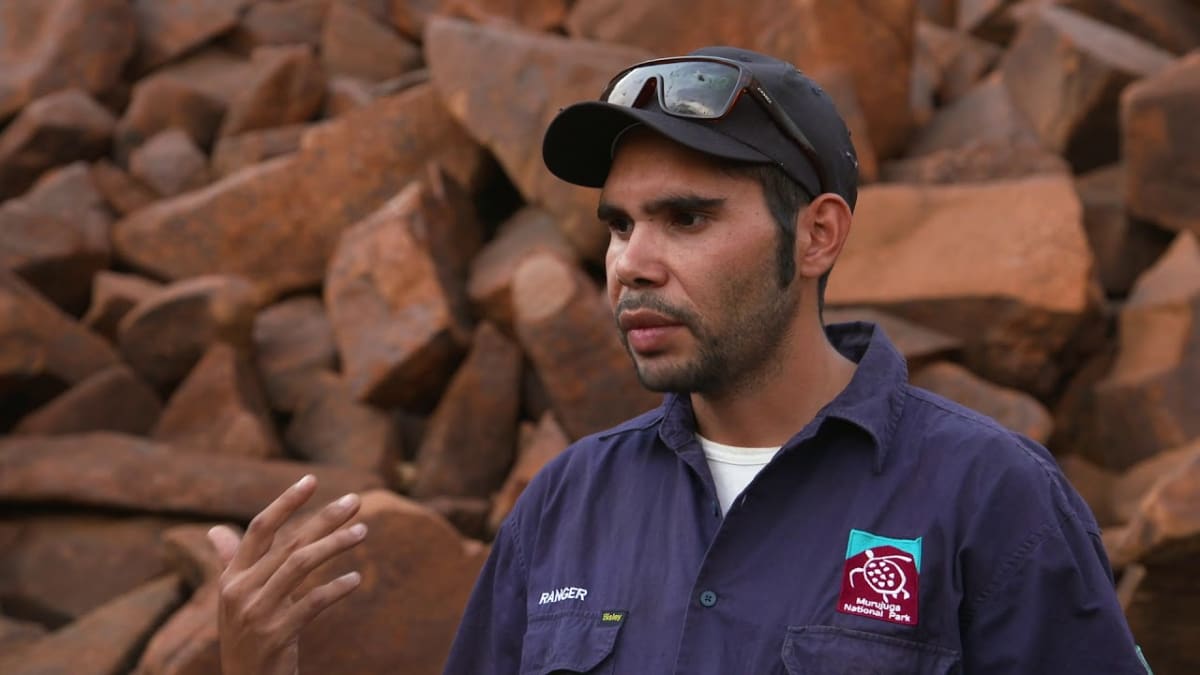
"As traditional owners and custodians, we know that protecting Murujuga requires both cultural knowledge and robust science," says Belinda Churnside, representing the Ngarluma people. "These findings are an important step forward in helping us better understand the landscape and ensure it is protected for future generations."
The researchers found that current emissions stay within safe limits. Their conclusion challenges the idea that industry must completely leave the area to protect the art.
The Bright Side
This research proves that ancient heritage and modern industry can share space when we set clear standards and monitor carefully. The damage from decades past serves as a reminder of why environmental regulations matter, while today's cleaner practices show that progress is possible.
The monitoring program transitions this year into long-term management, ensuring ongoing protection. Scientists will continue studying how multiple factors affect the rocks over time, building a complete picture of what these ancient surfaces need to survive.
Western Australia's environment minister committed to supporting continued research with transparent, evidence-based decisions that honor traditional owners' voices.
Fifty thousand years of human creativity gets to keep telling its story.
More Images
%2Fhttps%3A%2F%2Ftf-cmsv2-smithsonianmag-media.s3.amazonaws.com%2Ffiler_public%2F3f%2F8b%2F3f8ba94f-bec9-40c9-b0c7-1b63c5ebea39%2F1280px-ancient_and_modern_4000_years.jpg)
%2Fhttps%3A%2F%2Ftf-cmsv2-smithsonianmag-media.s3.amazonaws.com%2Ffiler_public%2F3f%2F8b%2F3f8ba94f-bec9-40c9-b0c7-1b63c5ebea39%2F1280px-ancient_and_modern_4000_years.jpg)
%2Fhttps%3A%2F%2Ftf-cmsv2-smithsonianmag-media.s3.amazonaws.com%2Faccounts%2Fheadshot%2FSarahKuta.png)
Based on reporting by Smithsonian
This story was written by BrightWire based on verified news reports.
Spread the positivity!
Share this good news with someone who needs it