Ancient Bees Turned Fossil Bones Into Homes 20,000 Years Ago
When soil ran scarce in a Caribbean cave, industrious bees did something never seen before: they moved into fossil bones left behind by owls. This 20,000-year-old discovery reveals how nature finds creative solutions when faced with harsh conditions. ##
Twenty thousand years ago in a Dominican cave, some very resourceful bees looked at a pile of old bones and saw the perfect nursery.
Scientists just discovered the first known evidence of ancient bees nesting inside fossil bones, turning tooth sockets and hollow cavities into ready-made brood chambers. The find from Cueva de Mono cave shows how animals adapt their behavior when their environment forces them to get creative.
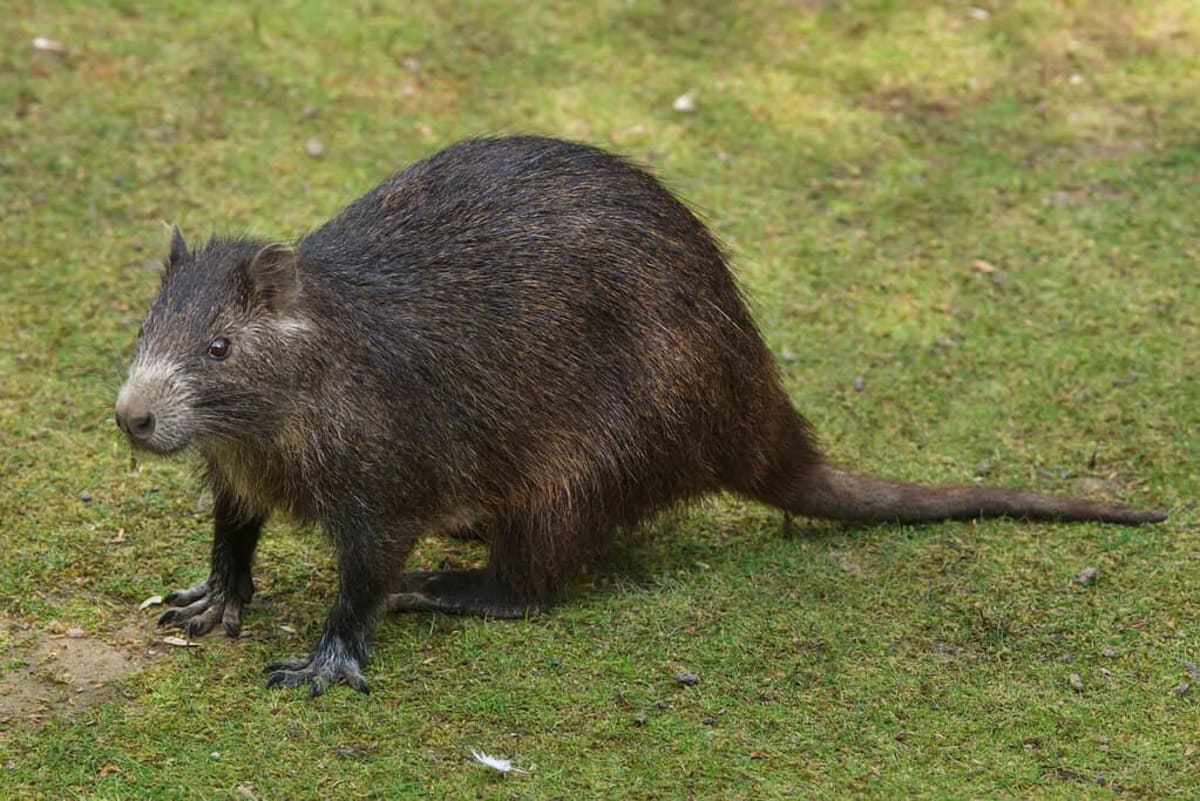
The story starts with giant barn owls who used the cave as their personal dining room for generations. They carried back prey like hutias, stocky Caribbean rodents, night after night. Over time, thousands of bones piled up on the cave floor, creating a natural bone archive.
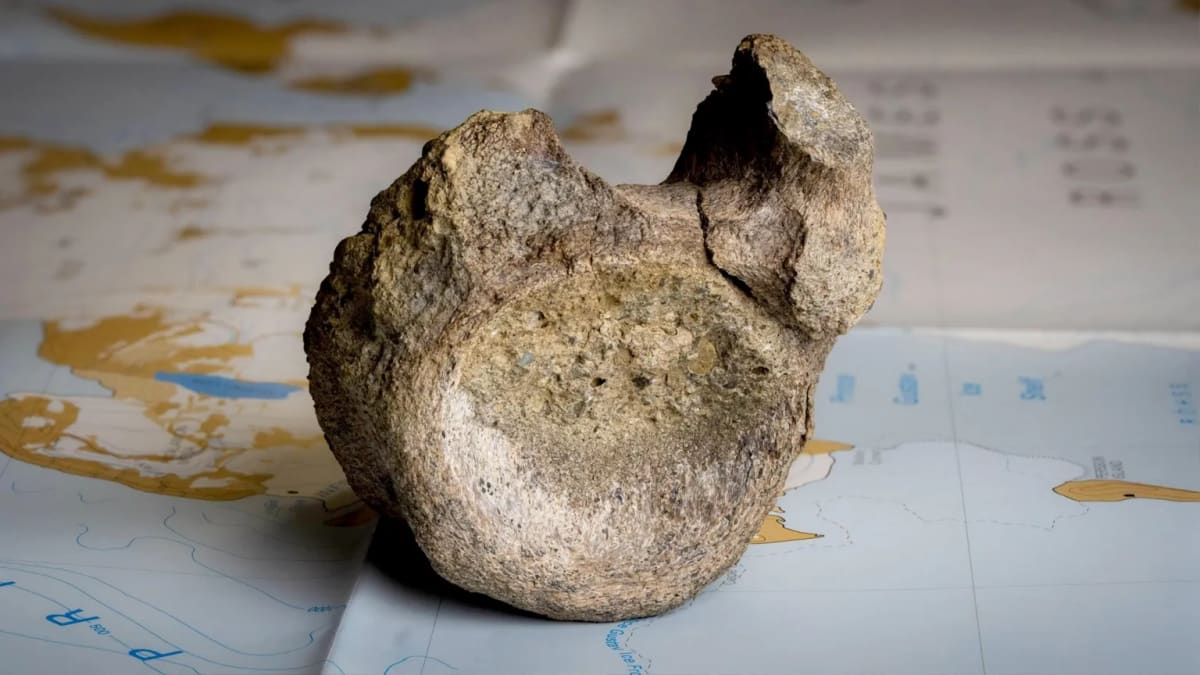
When researcher Lázaro Viñola López from the Florida Museum of Natural History cleaned a hutia jawbone, he noticed something odd. The inside of an empty tooth socket looked smooth and polished instead of rough like normal bone.
That smooth texture was the giveaway. Bees had lined these tiny spaces with a waterproof organic coating, just like they do in regular ground nests.
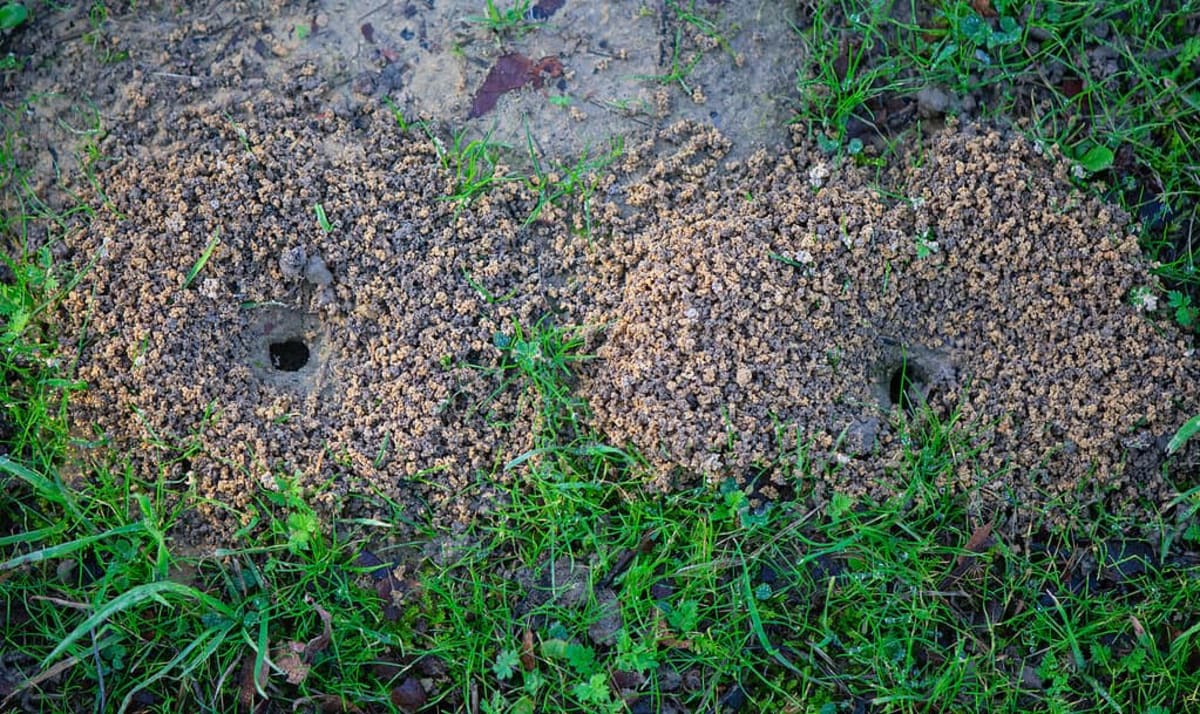
CT scans revealed the full picture. Bees had nested in tooth sockets, inside a vertebra canal, and even in the hollow pulp cavity of a fossil sloth tooth. Instead of digging deep new tunnels like their relatives normally do, these bees dug short passages through cave silt and slipped into natural openings in the bones.
Some tooth sockets held multiple generations of nests stacked inside each other like Russian dolls. The bees kept returning to the same tiny chambers rather than starting from scratch each time.
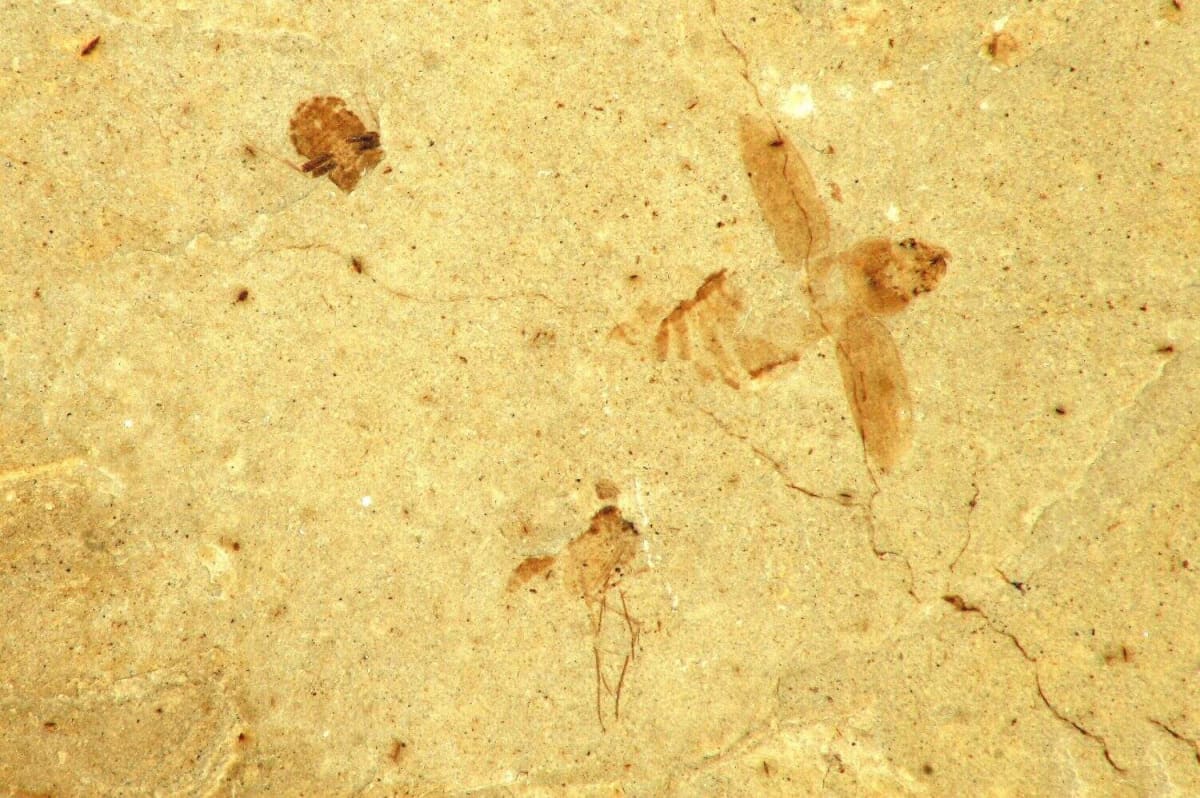
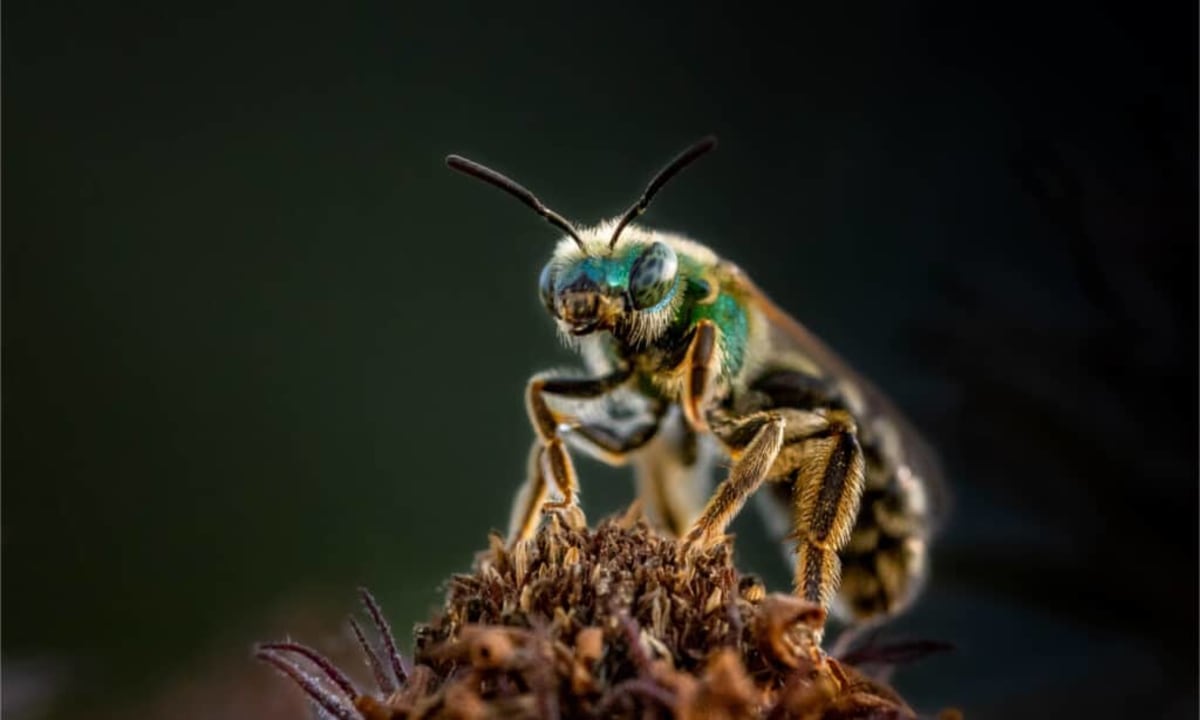
The builders were likely medium-sized burrowing bees from the Halictidae family, commonly known as sweat bees. With nearly 4,500 species worldwide, this family includes some of nature's most important pollinators.
Why This Inspires
The landscape around the cave explains everything. Much of Hispaniola sits on jagged limestone karst terrain where rainwater drains quickly through cracks, washing away topsoil. For ground-nesting bees, this created a serious housing crisis.
But instead of giving up, these tiny architects looked underground. They found a cave filled with fossils and turned obstacles into opportunities. What started as an owl's leftovers became prime real estate for pollinators.
The discovery does more than reveal weird bee behavior from the Late Pleistocene. It captures a moment when one species' mess became another species' solution, showing how life chains together in unexpected ways across thousands of years.
This fossil evidence preserves not just ancient bones but tiny architectural decisions made by insects that lived millennia later. Scientists now have a rare window into behavior that usually vanishes without a trace once a nest collapses.
Nature keeps finding ways forward, even in the harshest places.
##
More Images

Based on reporting by Google: fossil discovery
This story was written by BrightWire based on verified news reports.
Spread the positivity!
Share this good news with someone who needs it