Ancient Buddha Eyes Find Their Way Home After 100 Years
Lost ceramic eyes from 1,500-year-old Buddha statues in China are being returned by collectors who didn't even know what they had. Seven sacred relics have already come home, with more still waiting to be recognized.
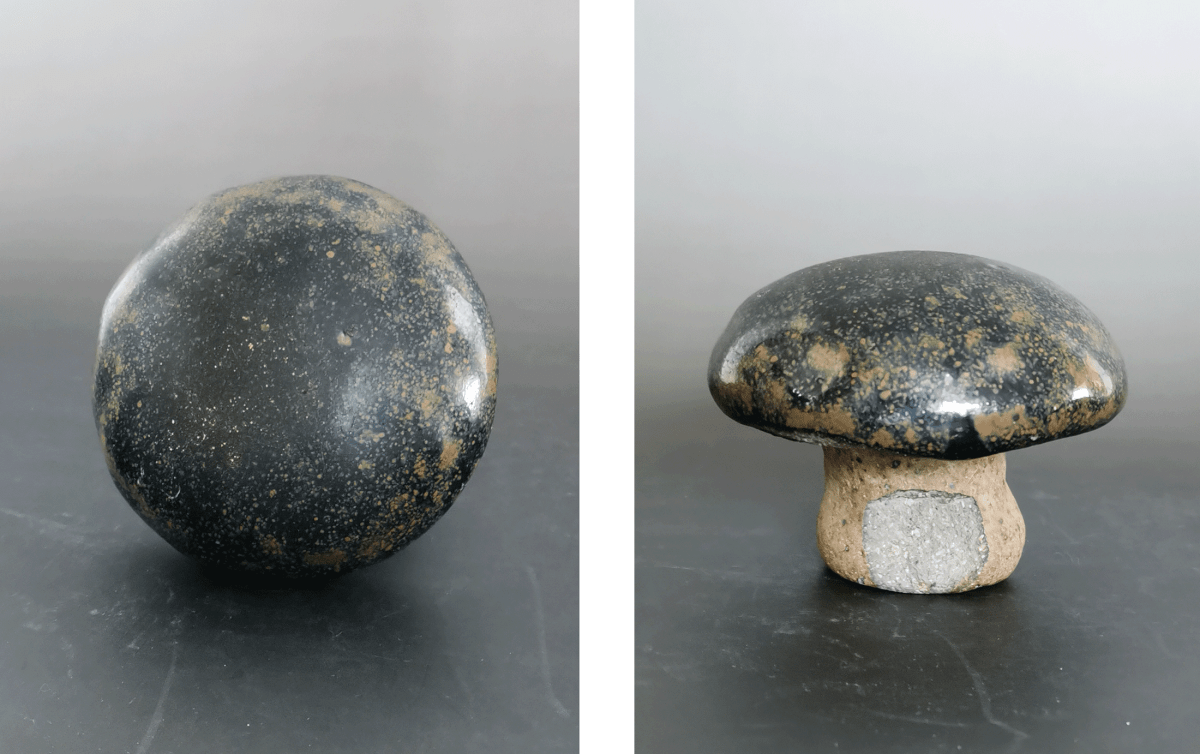
When Tian Yijun bought a small ceramic object at a flea market in 2006, he thought it looked "a bit like a mushroom." Twenty years later, he discovered he'd been holding a sacred Buddha's eye all along.
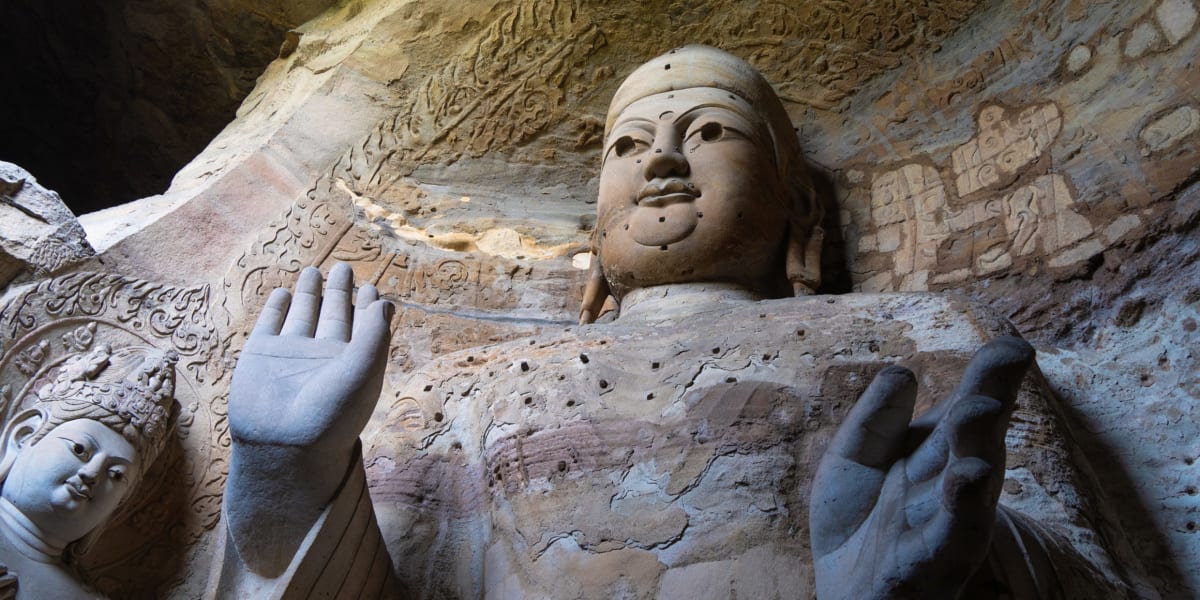
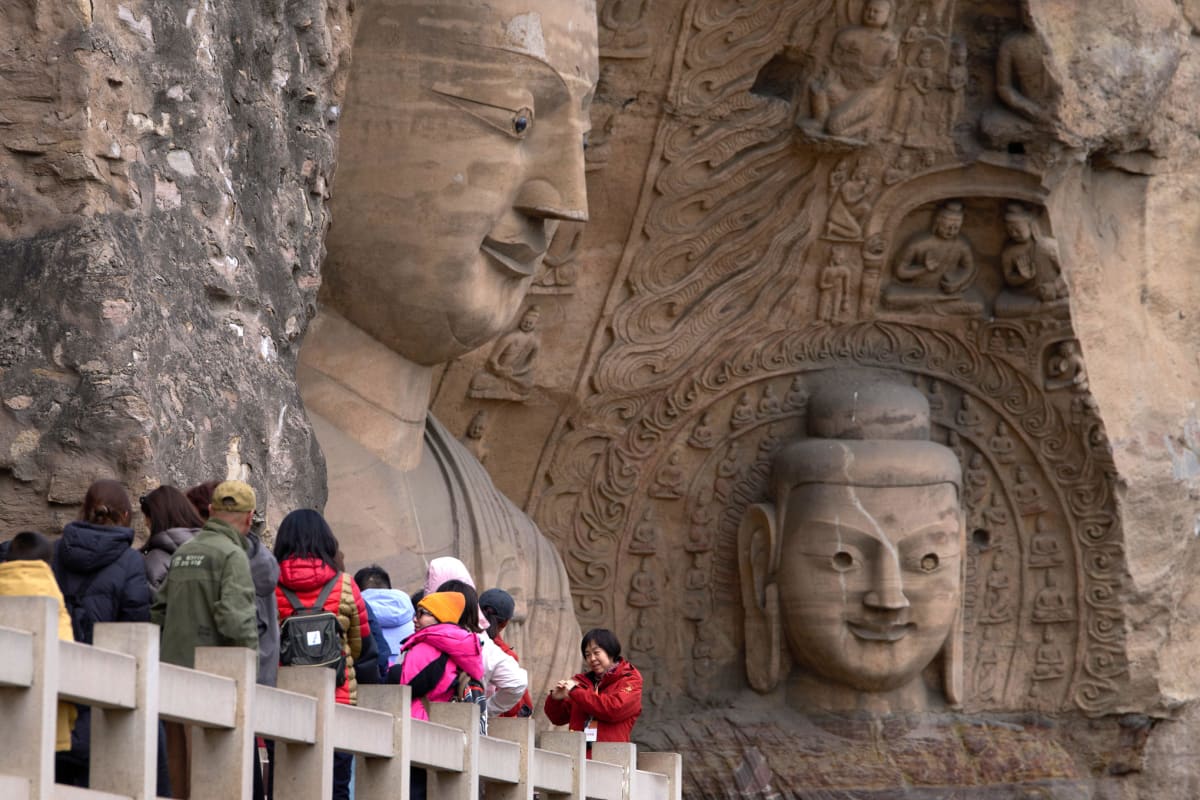
The Yungang Grottoes near Datong, China, contain thousands of Buddha statues carved into sandstone cliffs 1,500 years ago. But look closely at their faces and you'll notice something haunting: many stare back with hollow, empty sockets.
These cavities once held delicate ceramic or glass eyes, inserted during a ritual called kaiguang, or "opening the light." In Buddhist tradition, the eyes transformed mere stone into something spiritually alive. Without them, the Buddha was considered inert.
Over centuries of war, weather, and theft, the fragile inlaid eyes loosened from the soft sandstone and vanished. During the chaos of the 19th and early 20th centuries, some caves were even used as homes and stables. How many eyes existed, how many were lost, and how many survive remained unknown.
Now, some are finally coming home. After reading an article about Yungang's missing eyes, Tian realized his mushroom-shaped ceramic piece matched the description perfectly. He contacted the Yungang Research Institute, which confirmed his hunch.
Tian donated the eye immediately, asking for nothing in return. "Once I knew what I had," he later explained, the decision was easy.
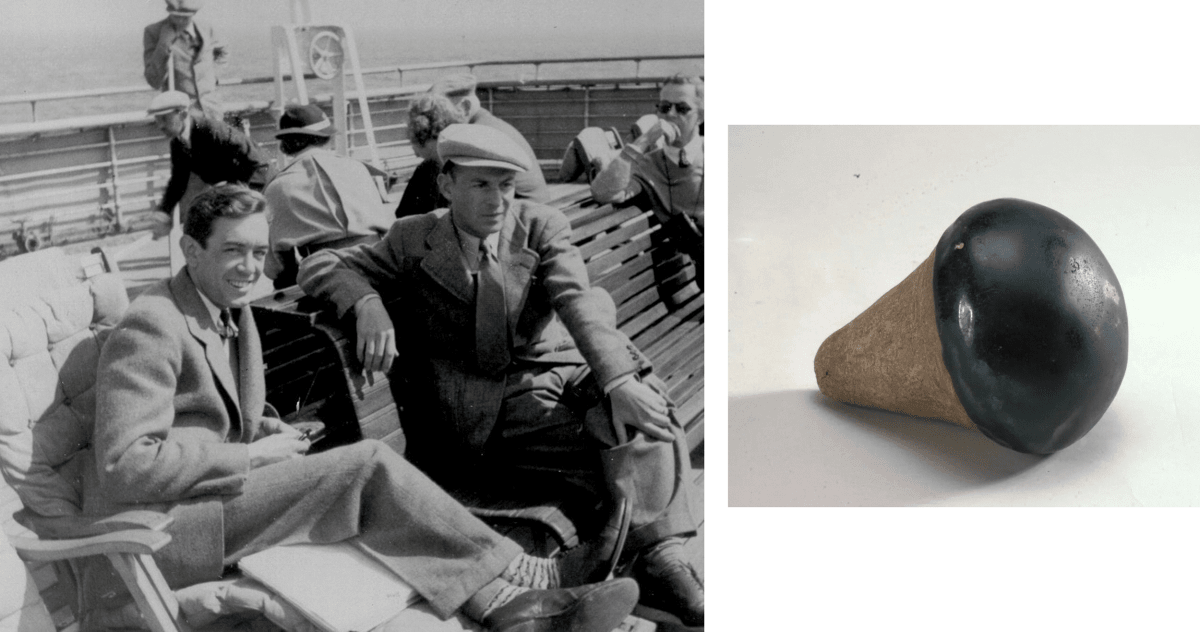
His wasn't the first homecoming. In 1932, American art historian Laurence Sickman purchased a single ceramic eyeball from local villagers for one silver dollar. More than 50 years later, as a retired museum director, Sickman worked with Chinese officials to return it to Yungang.
The Ripple Effect
Today, seven Buddha eyes rest safely in the Yungang Grottoes Museum's collection. Beyond the returned relics, the story has sparked a quiet revolution in how ordinary collectors view their possessions.
Two more eyes from the famous Cave 8 have been located at Kyoto University in Japan, collected during the 1930s and '40s. Researchers believe many more are hiding in plain sight, mistaken for ordinary ceramics or curiosities.
The challenge is recognition. Separated from their original settings, these sacred objects look unremarkable, always at risk of being discarded. But when reunited with the empty sockets where they once brought Buddhas to life, they become vivid reminders of spiritual presence restored.
Each returned eye represents more than historical preservation. It's about healing what was broken, bringing scattered pieces home, and helping ancient sacred art see clearly once again.
More Images

Based on reporting by Sixth Tone
This story was written by BrightWire based on verified news reports.
Spread the positivity!
Share this good news with someone who needs it