Ancient Cheetah Mummies Guide Saudi Arabia Rewilding Plan
Scientists discovered seven naturally mummified cheetahs in Saudi Arabian caves, revealing that two subspecies once thrived there. The DNA breakthrough is now helping experts plan the return of cheetahs to the Arabian wilderness after 50 years.
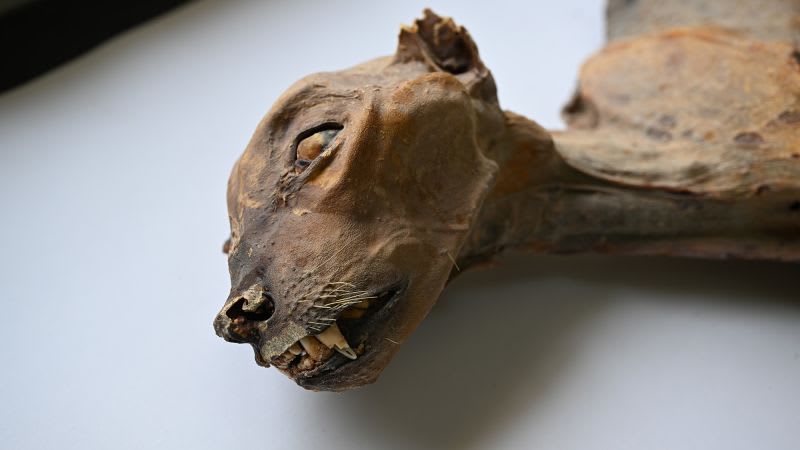
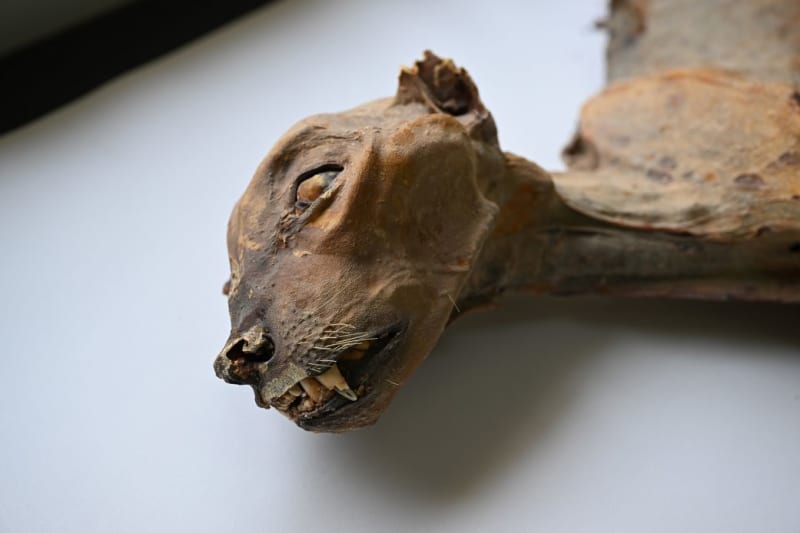
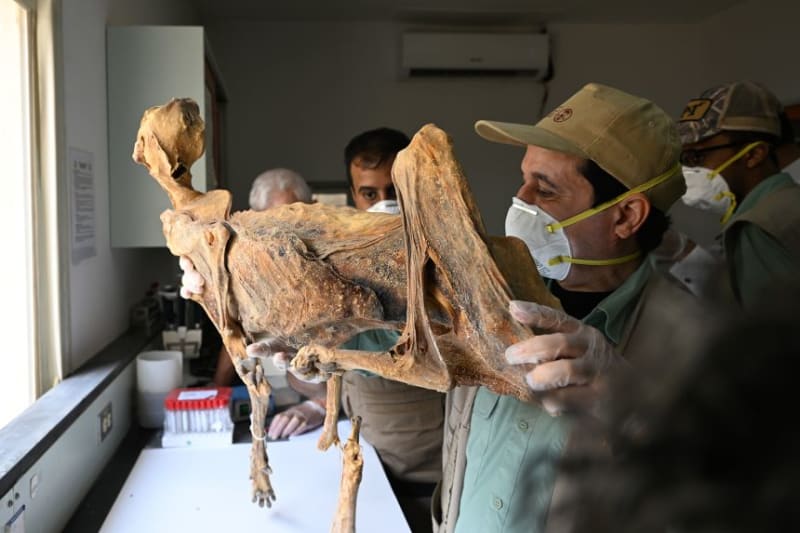
When wildlife researchers explored caves near Arar, Saudi Arabia in 2022, they stumbled upon something extraordinary: seven naturally mummified cheetahs with their soft tissue and skeletons perfectly preserved by the desert's bone-dry conditions.
The discovery just got even better. DNA analysis revealed that these ancient cats belonged to two different cheetah subspecies, rewriting what scientists thought they knew about Arabia's wild past.
For decades, experts believed only one cheetah type, the critically endangered Asiatic cheetah, ever lived in Saudi Arabia. But the mummified remains told a different story. Two of the oldest specimens matched the Northwest African cheetah, proving that multiple cheetah lineages once called the Arabian Peninsula home.
"This finding represents the first documented case of natural mummification in cheetahs," said Ahmed Al Boug, lead researcher at Saudi Arabia's National Center for Wildlife. The team also found skeletal remains of 54 other cats in the caves, with the oldest dating back 4,000 years.
The discovery is more than just fascinating science. It's a roadmap for bringing cheetahs back to their ancestral home.
Cheetahs vanished from the Arabian Peninsula in the 1970s, victims of overhunting and habitat loss. Today they survive in just 9% of their historic range worldwide. But now conservationists know exactly which cheetah types once flourished in Saudi Arabia and have proof these animals bred and raised families there, not just passed through.
The Ripple Effect
The timing couldn't be better for Arabian wildlife. Saudi Arabia has established vast protected areas where threats like habitat destruction and human disturbance have dropped dramatically. Gazelles, the cheetah's natural prey, are already making a successful comeback across the kingdom.
Adrian Tordiffe, a veterinary wildlife specialist not involved in the study, called the find a game changer. "This research turns cheetah reintroduction from a hopeful idea into a well-informed plan based on real evidence," he said.
The remains included both young animals and adults, proving cheetahs didn't just survive in Arabia—they thrived. Scientists can now select the most appropriate subspecies for reintroduction, using animals naturally suited to the Arabian environment rather than guessing.
The research team plans to analyze the remaining mummies and bone fragments to learn even more about which cheetah populations lived where and when. Each new detail helps paint a clearer picture of how to restore these magnificent cats to landscapes that once supported them for thousands of years.
After half a century of silence, the desert may soon echo with cheetah calls again.
More Images
Based on reporting by Google: scientific discovery
This story was written by BrightWire based on verified news reports.
Spread the positivity!
Share this good news with someone who needs it