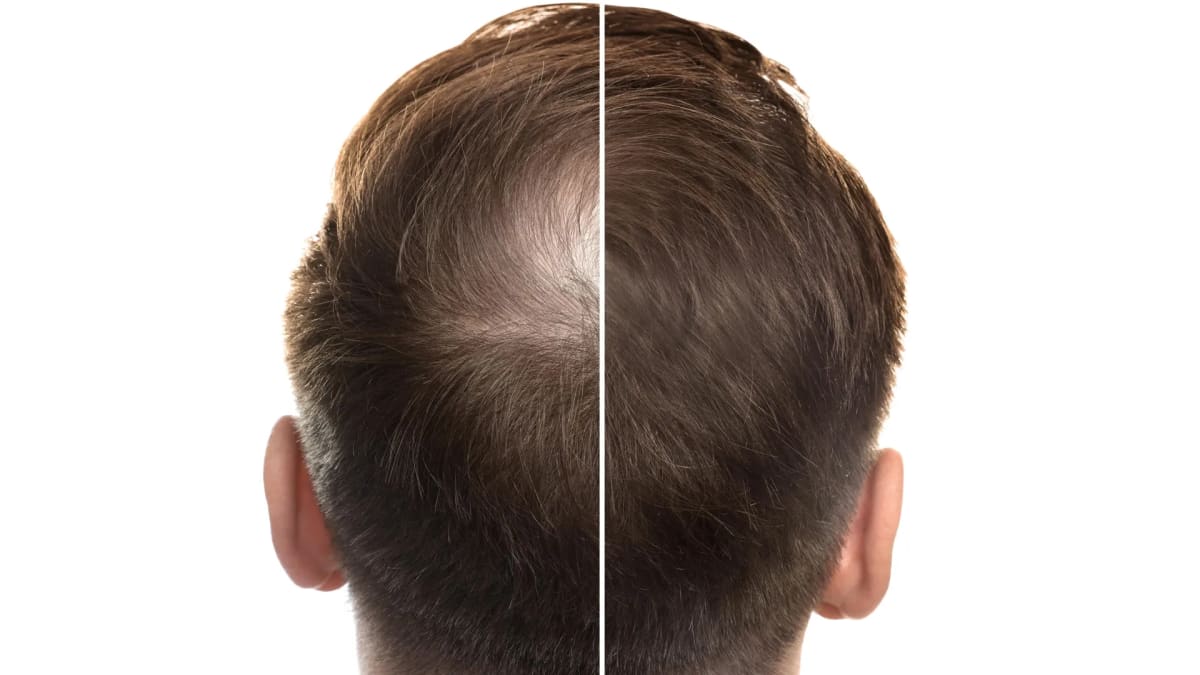
Ancient Chinese Herb Shows Promise for Hair Loss Treatment
A root used in traditional Chinese medicine for over 1,000 years is gaining scientific support as a multi-targeted treatment for pattern hair loss. Researchers found it may work through several pathways at once, offering hope for people seeking alternatives to existing medications.
Millions of people struggling with hair loss may soon have a new option rooted in ancient wisdom but backed by modern science.
Researchers recently reviewed evidence on Polygonum multiflorum, a traditional Chinese medicinal root used for more than a millennium. Their findings, published in the Journal of Holistic Integrative Pharmacy, suggest the herb works through multiple biological pathways to combat androgenetic alopecia, the most common form of pattern hair loss affecting men and women worldwide.
What makes this discovery particularly exciting is how the ancient remedy appears to tackle hair loss from several angles simultaneously. The herb may block dihydrotestosterone, a hormone that shrinks hair follicles over time, while also protecting follicle cells from dying prematurely.
Beyond hormone blocking, the root seems to activate key growth signals in the body. The Wnt and Shh pathways, which control how cells grow and repair tissue, appear to respond to compounds in the herb. When these signals strengthen, resting hair follicles may shift back into active growth phases.
The herb may also improve blood flow to the scalp, delivering more oxygen and nutrients to support healthier follicles. This multi-pronged approach sets it apart from current treatments like finasteride and minoxidil, which typically focus on single targets.
"Our analysis bridges ancient wisdom and modern science," said Han Bixian, the study's first author. "What surprised us was how consistently historical texts, from the Tang Dynasty onward, described effects that align perfectly with today's understanding of hair biology."
The research team compared laboratory studies, clinical reports, and historical herbal records spanning centuries. Ancient Chinese texts described the root's ability to "blacken hair and nourish essence," claims that now appear supported by pharmacological evidence.
Why This Inspires
This discovery represents more than just a potential new treatment option. It shows how traditional knowledge systems, often dismissed as folklore, can contain genuine therapeutic insights waiting to be understood through modern science.
For people who've experienced unwanted side effects from conventional medications, including sexual dysfunction from finasteride or scalp irritation from minoxidil, a natural alternative with multiple mechanisms offers real hope. The properly processed herb shows a favorable safety profile in traditional preparation methods.
The research also opens doors for future treatments that work with the body's natural processes rather than targeting single pathways. By supporting regeneration through growth factors and signaling pathways, this approach could help people regrow hair rather than simply slowing loss.
Researchers emphasize that preparation matters significantly for both safety and effectiveness. Traditional processing steps are essential, and people should consult healthcare providers rather than self-treating with unprocessed products.
While more clinical testing is needed to establish standardized dosing and confirm long-term safety, the alignment between ancient wisdom and modern biology offers genuine promise for millions seeking solutions to hair loss.
Based on reporting by Google News - Science
This story was written by BrightWire based on verified news reports.
Spread the positivity!
Share this good news with someone who needs it