Ancient Chinese Surgeons Used Wolfsbane as Anesthesia
Researchers discovered evidence of sophisticated pain relief techniques on 600-year-old surgical tools from a Ming dynasty doctor's tomb. The find proves ancient Chinese surgeons were using toxic plant compounds to numb patients centuries before modern anesthesia was invented.
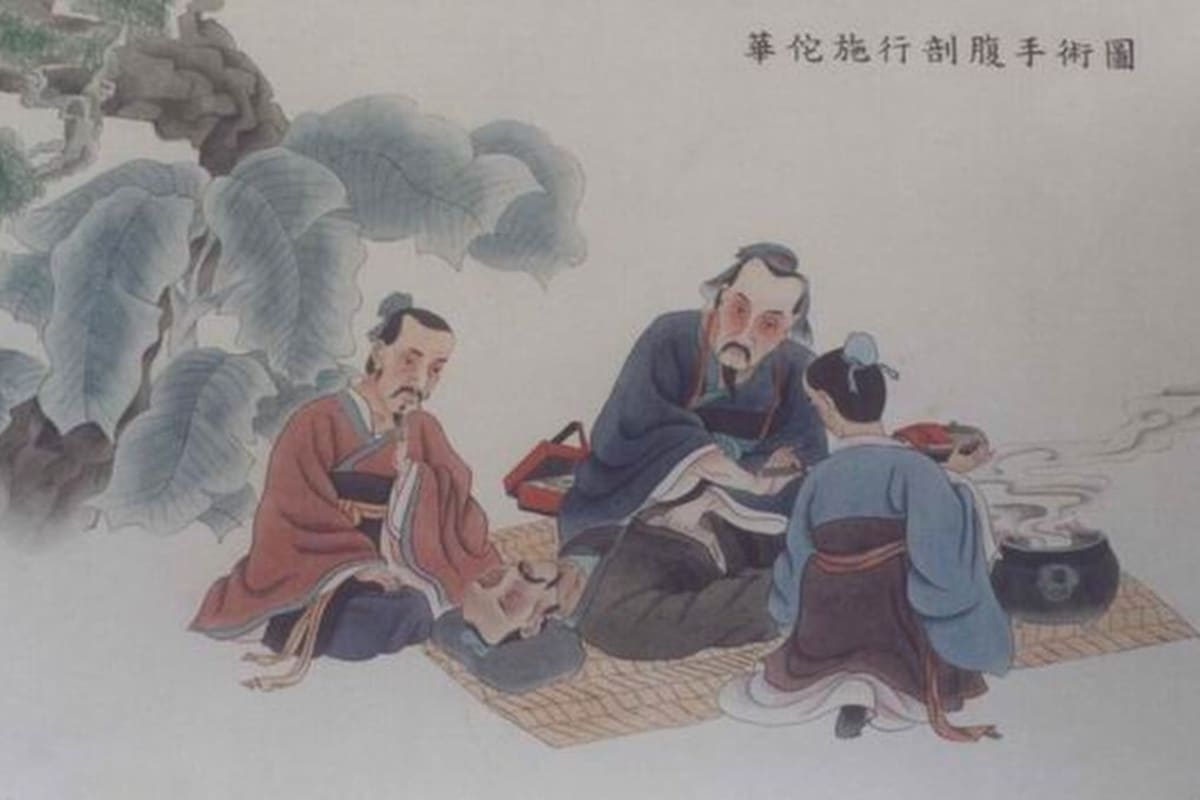
Scientists just found proof that Chinese surgeons were performing pain-free operations 200 years before the Western world invented modern anesthesia. Residue on ancient surgical tools reveals they knew exactly what they were doing.
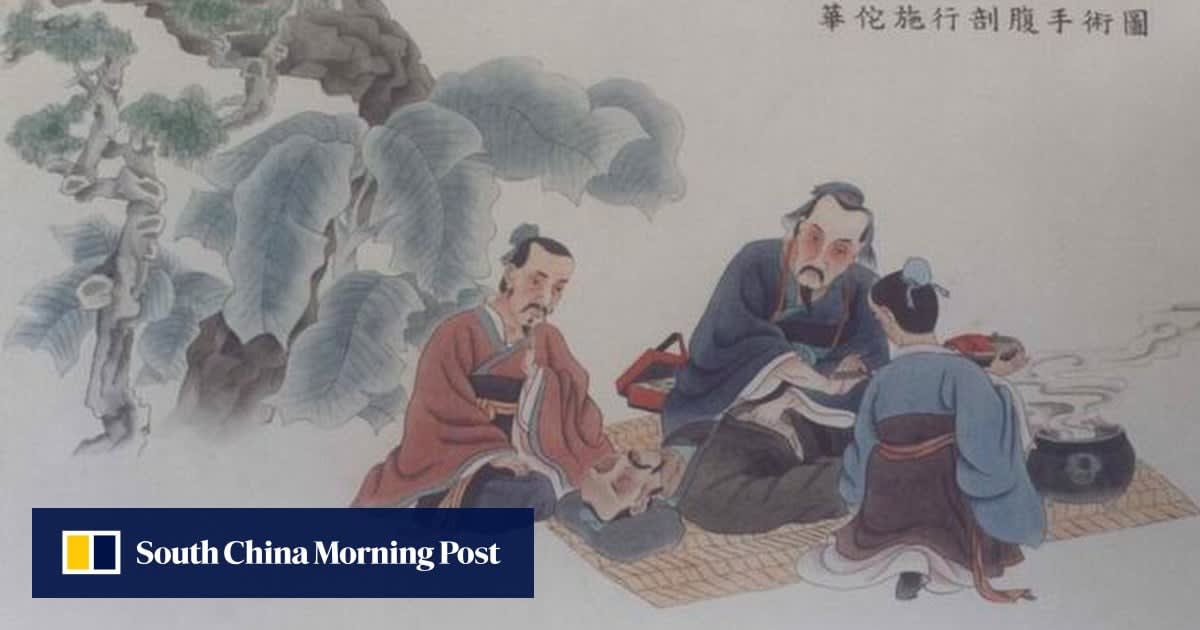
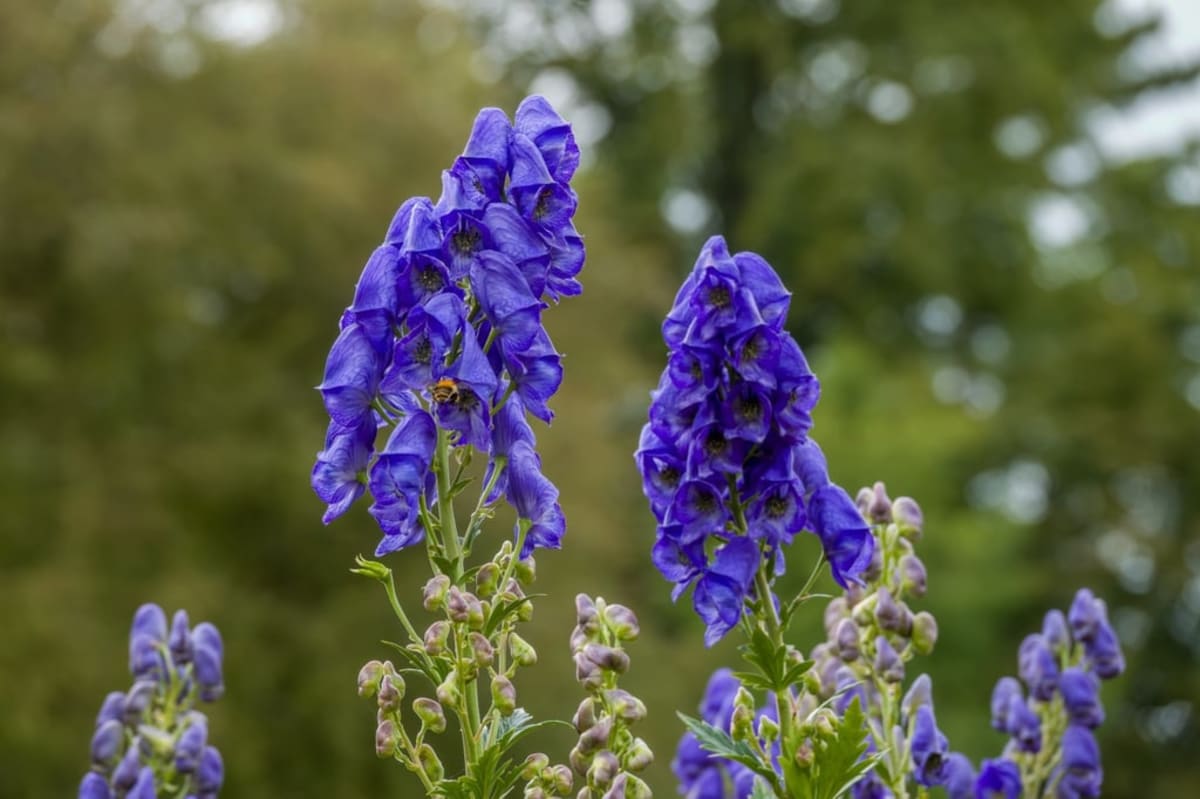
Archaeologists analyzing instruments from the tomb of Xia Quan, a renowned Ming dynasty surgeon, detected traces of aconitine on 10 different surgical tools. Aconitine comes from wolfsbane, a highly poisonous plant that can temporarily shut down nerve signals when applied to the skin.
Xia Quan practiced medicine between 1368 and 1644, making his anesthetic techniques at least 200 years older than the ether and chloroform breakthroughs celebrated in 1846. While ancient texts had mentioned these pain-relief methods, this discovery provides the first physical evidence that Chinese surgeons actually used them.
The science behind the technique is surprisingly sophisticated. According to researcher Zhao Congcang from Northwest University in Xian, aconitine works by overstimulating sodium channels in nerve cells until they temporarily stop firing. The nerves get so excited they essentially exhaust themselves and go quiet.
This wasn't guesswork or folk remedy. Ming dynasty surgeons understood they could harness a deadly poison in precise doses to help patients, not harm them. They applied the toxic plant mixture topically during operations, creating a local numbing effect that allowed them to perform complex procedures.
Why This Inspires
This discovery reminds us that human ingenuity and compassion have always driven medical progress. Centuries before textbooks and research labs, healers were experimenting, learning, and finding ways to spare their patients from suffering.
The breakthrough also highlights how much wisdom might be hidden in ancient practices that modern science dismissed too quickly. Traditional medical knowledge, passed down through generations and now confirmed by archaeology, deserves recognition alongside Western innovations.
Medical historians are celebrating this find as a crucial piece of the global story of surgery. Pain relief wasn't invented in one place at one time by one culture. Healers around the world were solving the same problem with the tools and knowledge available to them.
This discovery proves that the drive to heal without causing pain is universal and timeless.
More Images

Based on reporting by South China Morning Post
This story was written by BrightWire based on verified news reports.
Spread the positivity!
Share this good news with someone who needs it