Ancient Chinese Tools Rewrite Human Innovation Timeline
Archaeologists in central China discovered sophisticated stone tools dating back 160,000 years, proving early humans in East Asia were just as technologically advanced as their African and European counterparts. The find challenges decades of assumptions about ancient human ingenuity.
For decades, scientists believed early humans in East Asia were technologically behind their African and European relatives, using only simple stone tools while others crafted complex implements. A groundbreaking discovery in central China just proved that assumption completely wrong.
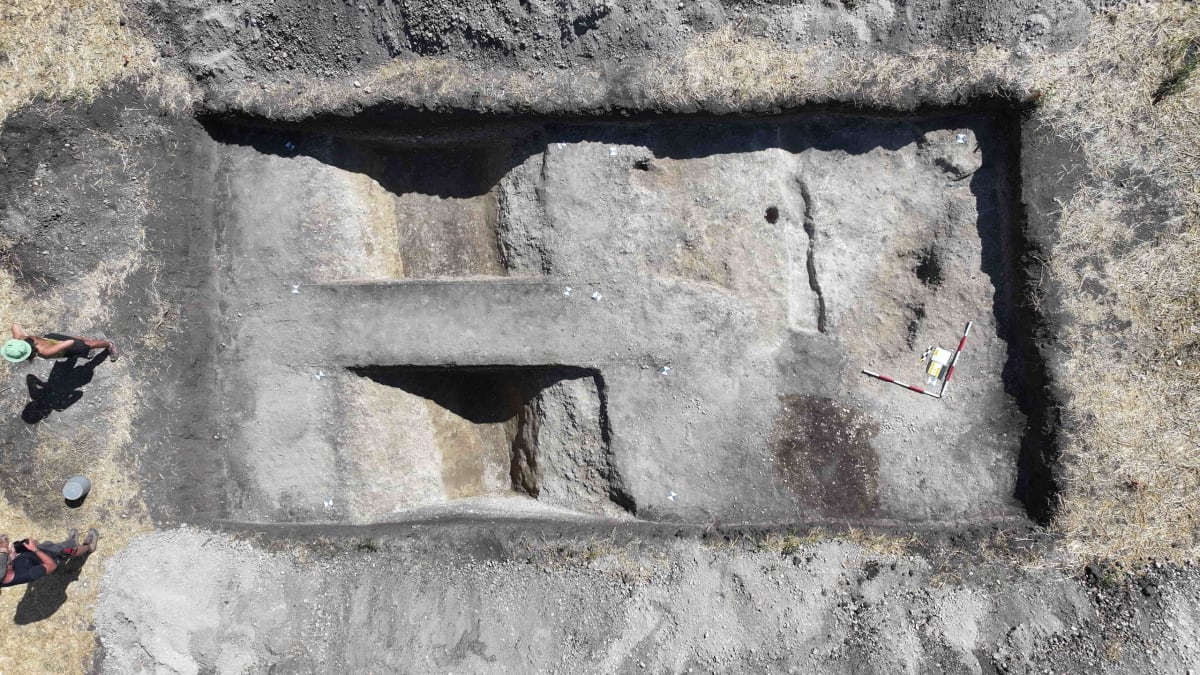
An international research team uncovered more than 2,600 stone artifacts at Xigou, a site in Henan Province, dating between 160,000 and 72,000 years ago. These weren't crude rocks chipped into rough edges—they were carefully planned tools that required serious brainpower to create.
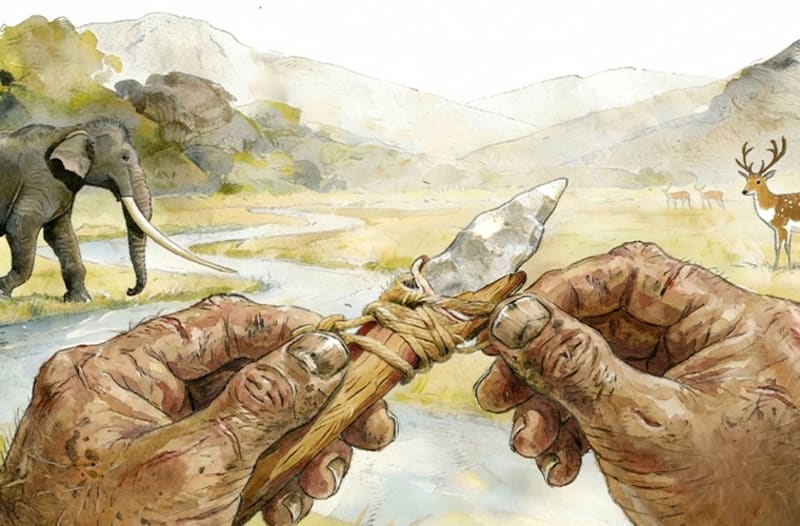
The most exciting find? Evidence of hafted tools, where stone cutting edges were attached to wooden handles using adhesives or bindings. Creating these composite tools demands foresight, material knowledge, and the ability to plan multiple steps ahead—all signs of advanced thinking.
The tools themselves tell a remarkable story about daily life. Microscopic analysis revealed wear patterns showing these implements were used for drilling, sawing, and cutting plant materials like wood and reeds. One tool shows clear signs of rotational drilling into hard plant matter, suggesting ancient craftspeople were building wooden objects with precision.
The timing matters too. This period coincided with growing brain sizes among early humans in the region, with fossils from nearby sites showing brain capacities similar to early modern humans. As Ice Age climate shifts made survival harder, these innovative tools likely gave people crucial advantages in adapting to changing environments.
Why This Inspires
This discovery reminds us that human ingenuity has always been universal, not confined to specific regions or groups. Early humans across the world were solving problems, passing knowledge through generations, and creating sophisticated technologies to improve their lives.
The Xigou site isn't alone either. Researchers are finding growing evidence across China of advanced toolmaking, engraved objects, and refined bone implements dating back over 100,000 years. East Asia followed its own complex path of innovation that simply took longer for modern scientists to recognize.
What once looked like technological backwardness was actually a gap in our understanding. As researchers excavate more sites and apply modern dating techniques, they're uncovering a richer, more complete picture of human creativity spanning continents and millennia.
These ancient toolmakers were every bit as clever and capable as their contemporaries anywhere else in the world—they just needed someone to tell their story.
Based on reporting by Google: archaeological discovery
This story was written by BrightWire based on verified news reports.
Spread the positivity!
Share this good news with someone who needs it