Ancient Clay Pots Keep Nepal's Crops Safe From Climate Change
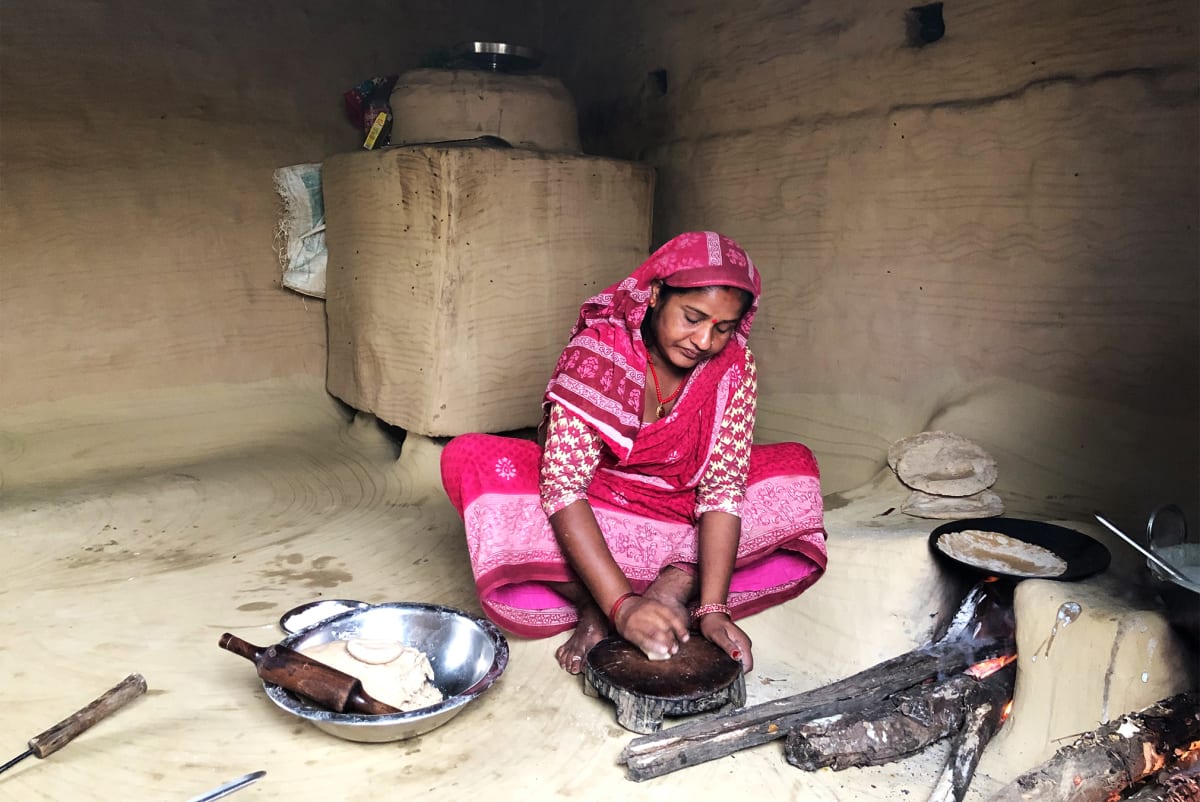
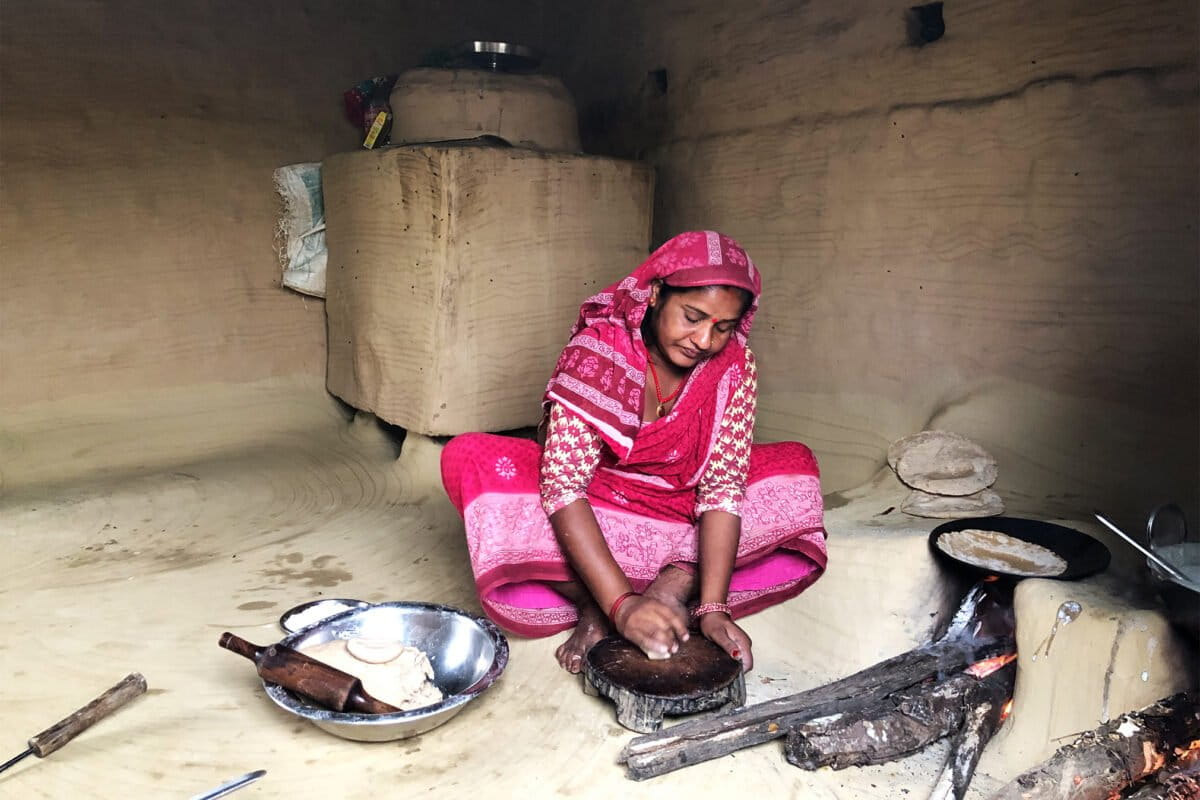
In Nepal's sweltering plains, Indigenous grandmothers are teaching their granddaughters an ancient craft that outperforms modern storage: handmade clay bins that protect food from floods and extreme heat without electricity. These earthen vessels, passed down through generations, are proving to be surprisingly perfect tools for climate adaptation.
Seventy-year-old Chattrapati Yadav isn't worried about keeping her grain safe during Nepal's scorching summers, when temperatures soar past 104°F. Her secret? Handmade earthen storage bins called dehari that her mother taught her to make, and she's now teaching her granddaughters.
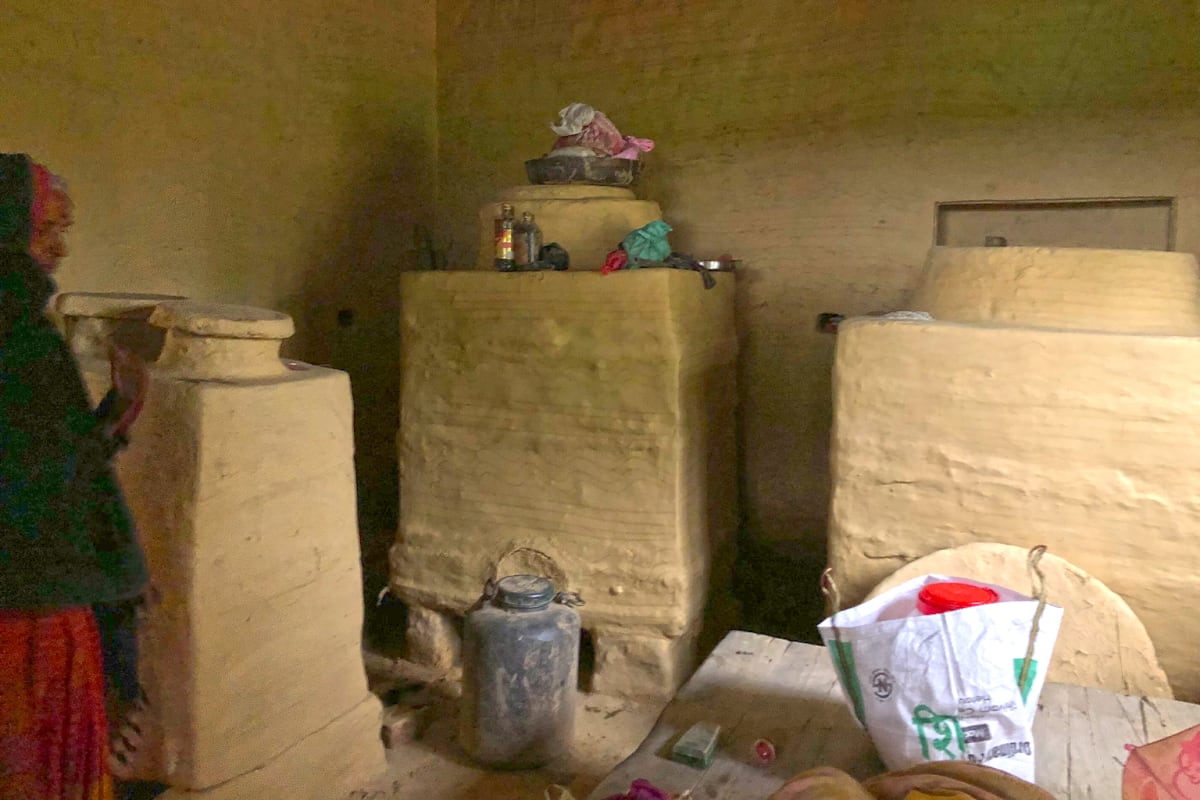
"My granddaughter made this one, and that one was made by my mother-in-law," Yadav says, pointing to the cylindrical vessels in her home in western Nepal. If kept dry, these bins can outlast the people who crafted them.
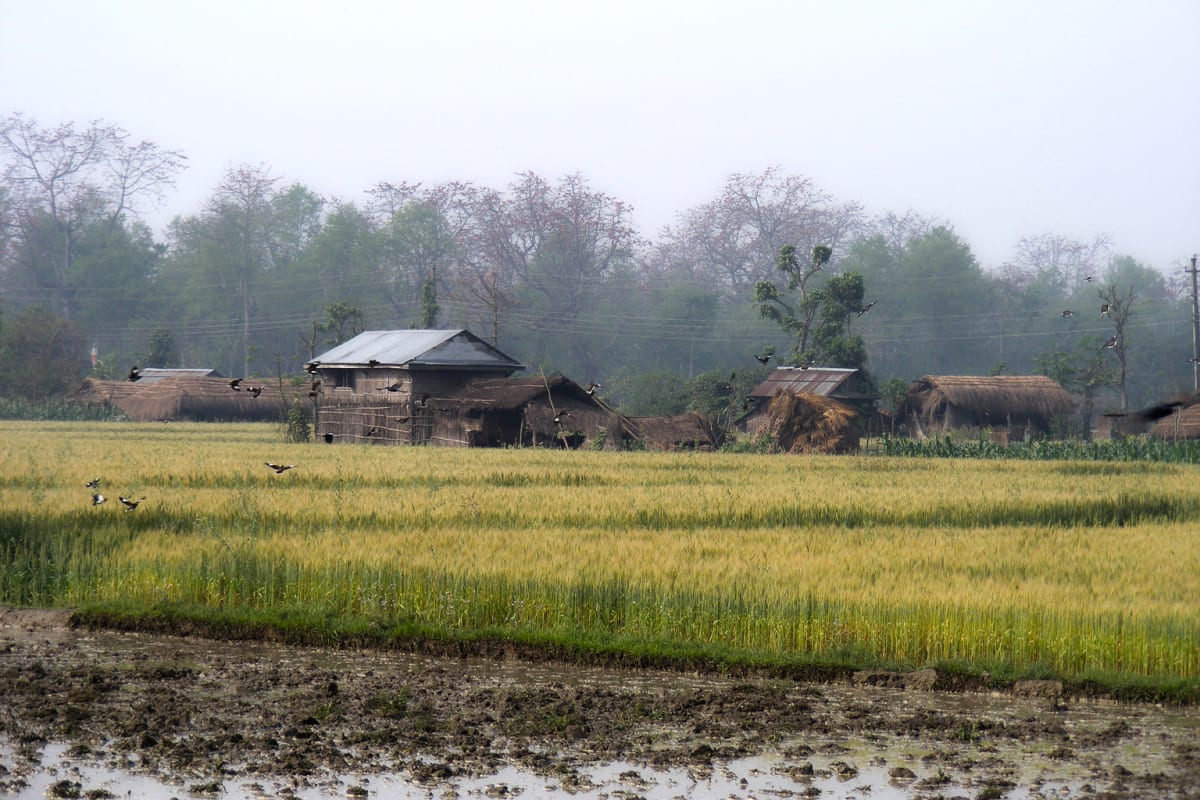
Across Nepal's southern Terai plains, Indigenous communities like the Tharu and Yadav have relied on dehari for centuries. The bins are made entirely from local materials: clay soil, rice husk, and dung. No electricity required, no plastic waste created.
The simple design turns out to be brilliantly climate-smart. Clay and husk create natural insulation that regulates both temperature and moisture. Traditional builders elevate the bins three to four feet off the ground using bamboo or wooden platforms, protecting stored grain from monsoon floods that are becoming more common.
"Soil and husk used to build a dehari work as natural insulation and help maintain moisture," explains Buddhi Ram Chaudhary, who earned his PhD studying Indigenous farming knowledge in Nepal. The low humidity inside keeps grains safe even as weather patterns shift.
The craft takes about a week to complete, then a month to dry. Farmers sun-dry their harvested grain to 8-10% moisture before storage, which prevents pests naturally. For smallholder families who store most of their harvest for household consumption, this traditional method remains essential.
The Ripple Effect
These ancient storage systems do more than protect individual harvests. They preserve local seed diversity by keeping heirloom varieties safe for the next planting season. This maintains food security without depending on external inputs or electricity that rural communities may lack.
A 2022 study found that traditional post-harvest practices like dehari minimize losses from insects, fungus, rodents, and climate stress. Experts note they're perfectly adapted to regional environmental needs while leaving zero carbon footprint.
Program adviser Pitambar Shrestha from Community Seed Bank Nepal recommends building concrete platforms in flood-prone areas to help dehari adapt to worsening climate conditions. The traditional knowledge proves flexible enough to incorporate modern improvements while maintaining its core sustainability.
As climate change intensifies heat waves and flooding across South Asia, solutions crafted by grandmothers in rural Nepal are catching attention from agricultural experts worldwide. Sometimes the most innovative climate technology comes in the form of centuries-old wisdom, shaped by hands that have never stopped learning.
More Images

Based on reporting by Mongabay
This story was written by BrightWire based on verified news reports.
Spread the positivity!
Share this good news with someone who needs it