
Ancient Clay Tech Gets Modern Upgrade for Green Cooling
Scientists at Cornell and Technion adapted a centuries-old Middle Eastern cooling method into an eco-friendly air conditioning alternative that needs no electricity. The ceramic pipe system cools spaces through water evaporation, offering hope as climate change makes traditional AC increasingly harmful.
Imagine cooling your home without electricity bills or greenhouse gases, using the same principle that makes you feel cooler when you sweat.
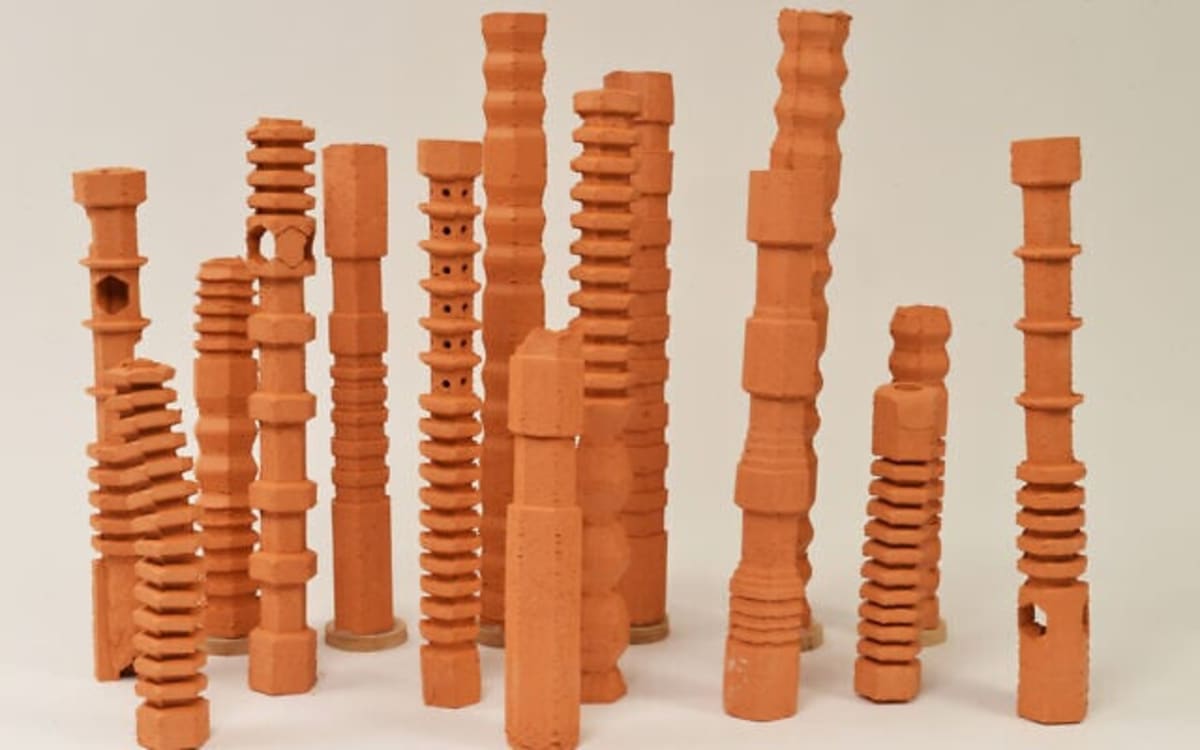
Scientists at Cornell Tech and Israel's Technion Institute just turned that vision into reality. They've developed CeraPiper, a system of hollow ceramic pipes that cools buildings through simple water evaporation, no power grid required.
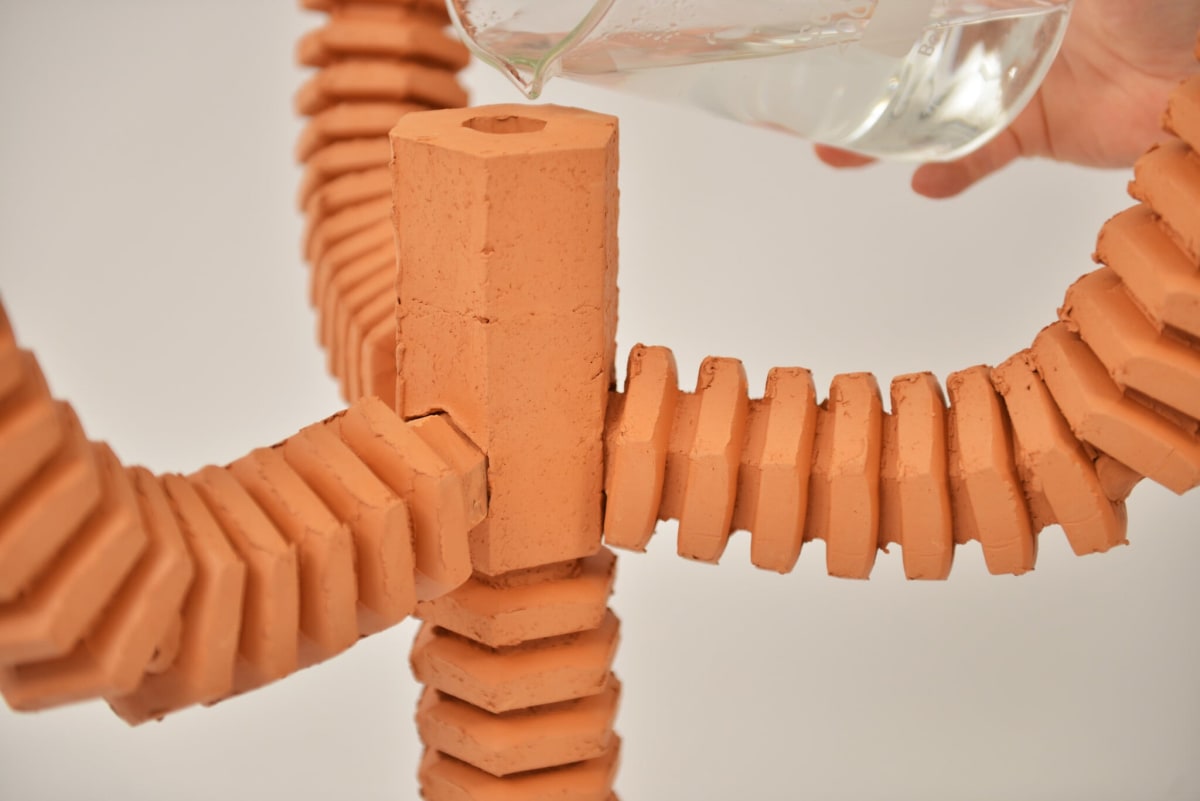
Assistant Professor Ofer Berman drew inspiration from the Egyptian jarrah, a traditional clay pot that naturally cools water. His modern version works the same way human bodies regulate temperature: water seeps through the porous ceramic and evaporates, pulling heat from the air as it transforms into vapor.
The breakthrough isn't just the cooling method. It's how quickly and affordably these pipes can be made.
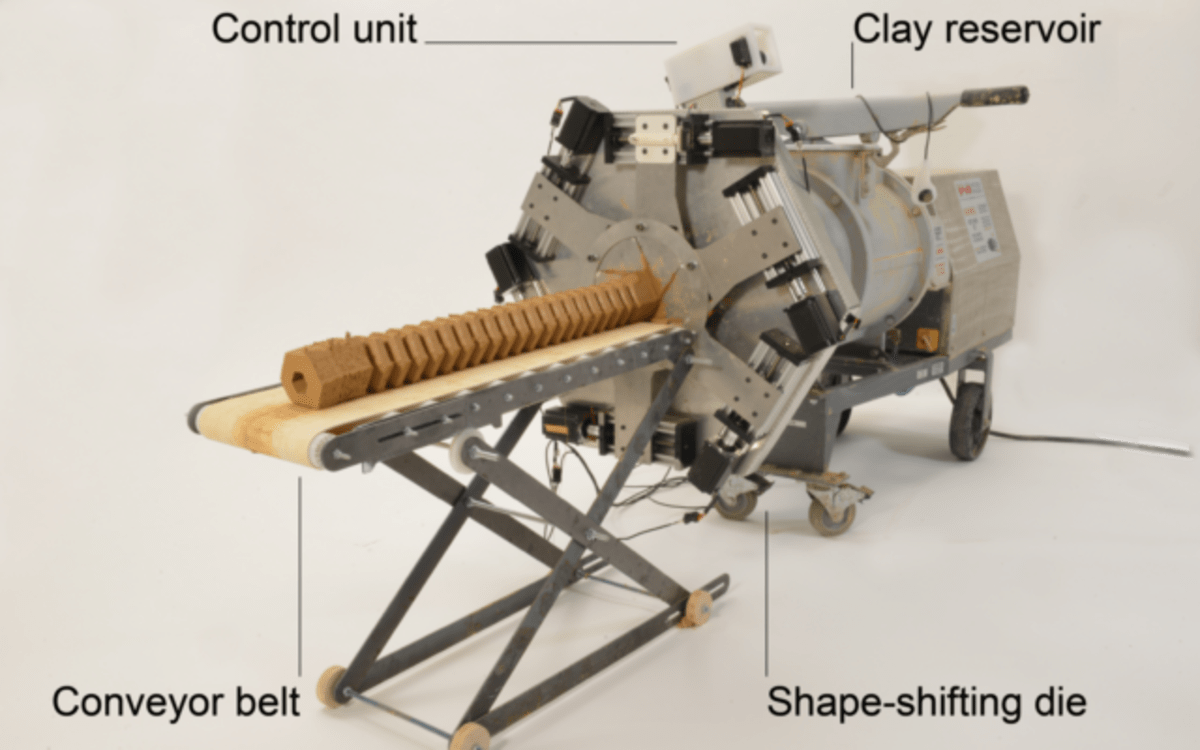
Berman and his team modified a standard pottery machine called a pugmill with a computer-controlled nozzle. Now they can create custom pipes of different shapes, sizes, and lengths without stopping to swap parts. If a design doesn't work, the soft clay can be remolded and tried again.
Once the pipes reach their final shape, they're fired in a kiln at 1,650 degrees Fahrenheit. The hardened sections connect like building blocks, creating cooling structures that fit any room or outdoor space.
During testing, the system clearly lowered temperatures over a 60-hour period. The achievement comes at a critical moment: 2023 was the hottest year since temperature tracking began 174 years ago.
Traditional air conditioners create a vicious cycle. They cool indoor spaces but pump hot air and greenhouse gases back into the atmosphere, accelerating the climate crisis that makes cooling necessary in the first place.
The Ripple Effect
Tom Shaked, who leads the Architectural Robotics and Construction Automation Laboratory at Ariel University, sees CeraPiper as part of a larger movement. Designers worldwide are creating their own sustainable technologies rather than relying on existing industrial options.
The research proves that ancient wisdom isn't outdated. It's a foundation for solving modern problems with low-energy solutions.
CeraPiper merges traditional ceramic craftsmanship with computational design and modern manufacturing. The result transforms passive cooling from a historical curiosity into something that could scale across buildings and communities.
The peer-reviewed study, published in The Association for Computing Machinery, provides the proof of concept needed for larger development. Future versions could cool everything from individual rooms to entire structures without damaging the planet.
As climate change intensifies, solutions that work with nature instead of against it become increasingly essential.
More Images

Based on reporting by Google News - Israel Technology
This story was written by BrightWire based on verified news reports.
Spread the positivity!
Share this good news with someone who needs it