Ancient Costa Rican Stamps Reveal Lost Language of Identity
A new museum exhibition in Costa Rica shows that pre-Columbian stamps weren't just decorative tools but an early form of visual communication that expressed identity, status, and belonging. Researchers studied over 300 stamps to decode what these ancient communities were saying through repeated patterns.
Imagine carrying a tool in your pocket that could instantly tell others who you are, where you belong, and what you believe in.
Ancient Costa Ricans did exactly that, and a new exhibition at the Museums of the Central Bank is revealing how they communicated through carved stamps dating back 2,500 years. "Repeat to Remember: Pre-Columbian Stamps" opened July 22 in downtown San José, bringing together more than 70 archaeological objects that functioned like an early form of visual language.
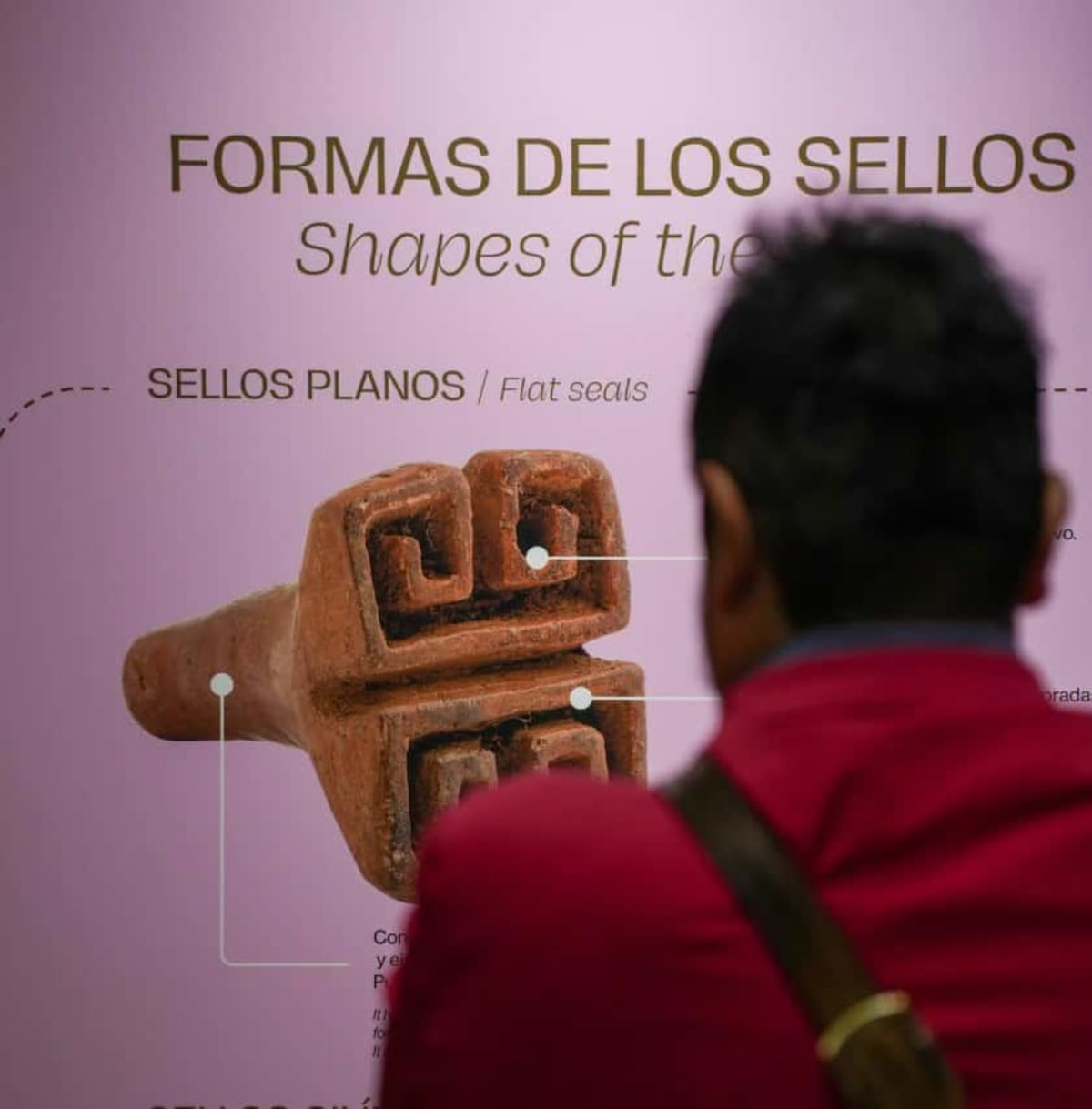
These weren't postal stamps. They were handheld tools made from clay, carved with geometric patterns, spirals, human figures, and animals, then pressed onto skin, textiles, or ceramic vessels to create repeated designs.
For years, archaeologists believed these stamps were mainly used for body decoration. But researcher and curator Priscilla Molina Muñoz led a study of over 300 stamps from the museum's collection that revealed something far more fascinating.
The stamps were used to communicate identity, social position, community membership, and cultural beliefs. Some may have functioned almost like personal signatures for people of high rank, while others appear to have been used as molds for ceremonial objects.
The oldest examples found in Costa Rica date to approximately 500 B.C. and come from the Central Caribbean and North Pacific regions. Archaeologists have discovered them in both living areas and burial sites, where they were placed among funeral offerings.
Museum specialists manually traced the impressions produced by each stamp using conservation methods that protected the delicate objects. Those tracings help visitors see exactly what the designs would have looked like after being transferred to skin, cloth, or pottery.
The shapes mattered too. Cylindrical stamps could be rolled to produce continuous bands of pattern, while flat stamps were pressed directly onto surfaces. Smaller stamps may have been designed for faces, wrists, or ankles, while larger ones marked textiles or vessels.
Why This Inspires
The exhibition connects these 2,500-year-old tools with things we use every day: signatures, trademarks, official seals, and repeating patterns on fabric. It's a reminder that humans have always needed ways to express who we are and where we belong.
The museum team presents the stamps as part of a much longer human story about communicating identity and authority through images. By carefully documenting each impression, they're helping us read a visual language that went silent centuries ago.
A curator-led tour with Molina is scheduled for August 8, with more educational activities coming soon. The exhibition reminds us that long before social media profiles and ID cards, people found creative ways to share their stories through art.
More Images




Based on reporting by Tico Times Costa Rica
This story was written by BrightWire based on verified news reports.
Spread the positivity!
Share this good news with someone who needs it
%2Fhttps%3A%2F%2Ftf-cmsv2-smithsonianmag-media.s3.amazonaws.com%2Ffiler_public%2F75%2F34%2F75342ac4-0f4b-4563-a63d-3012f0feae31%2Fgettyimages-2293659629.jpg)
%2Fhttps%3A%2F%2Ftf-cmsv2-smithsonianmag-media.s3.amazonaws.com%2Ffiler_public%2Fef%2F5b%2Fef5b9055-962e-483d-b70c-ed912c2a6481%2Fviikinkaikainen_rahakatko.jpeg)