Ancient DNA Found in 700,000-Year-Old Squirrel Poop
Scientists in Canada's Yukon discovered a treasure trove of DNA up to 700,000 years old preserved in frozen squirrel droppings. The genetic material from woolly mammoths, wolves, and hundreds of plants offers an unprecedented window into Earth's ancient past.
Scientists just discovered that squirrel poop might be one of the best time capsules nature ever created.
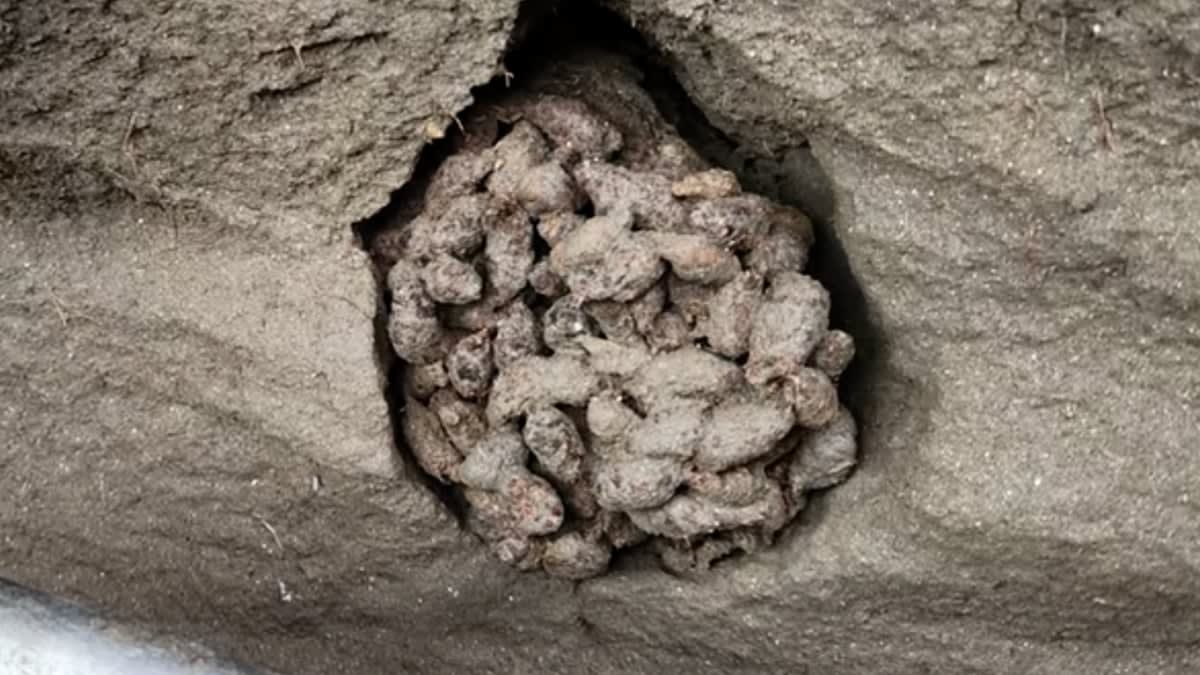
Researchers at McMaster University in Canada uncovered ancient DNA from woolly mammoths, wolves, bison, horses, and even a cheetah buried deep inside frozen squirrel burrows in the Yukon territory. The genetic material ranges from 3,000 to 700,000 years old, making it an extraordinary archive of life across millennia.
Lead researcher Tyler Murchie admitted that digging through squirrel droppings might sound less glamorous than finding a mammoth tusk. But the "spectacular" biodiversity they uncovered suggests this overlooked source could revolutionize how scientists study our planet's distant past.
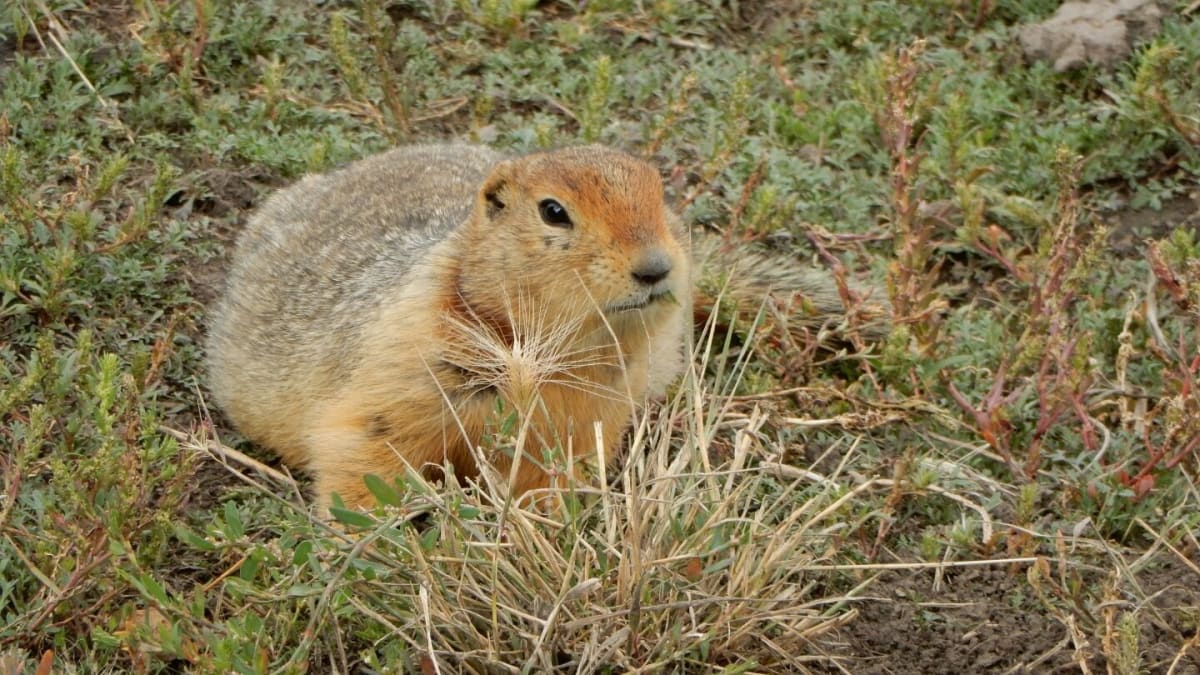
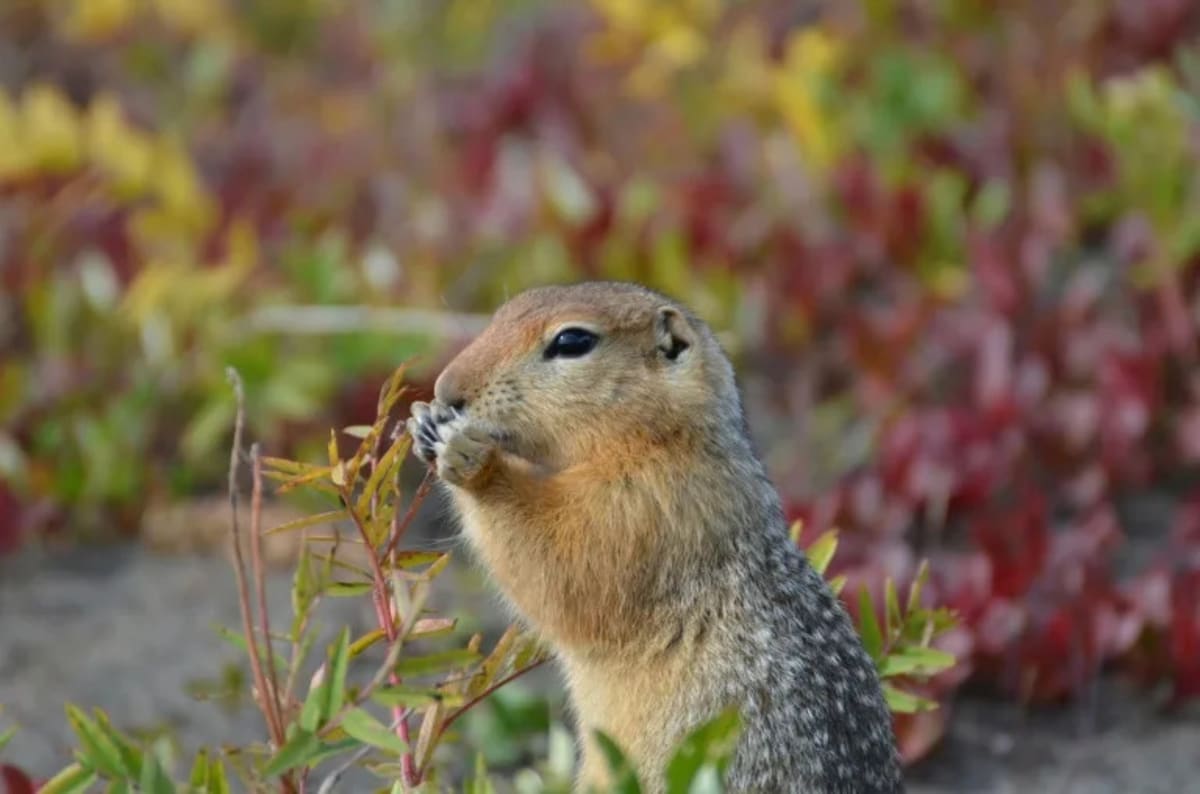
Arctic ground squirrels turned out to be nature's perfect archivists. These creatures only stay awake for about four months each year, spending the rest hibernating in their burrows.
During their brief active period, they frantically collect everything they can find: nuts, seeds, leaves, bones, and fur. They pack it all into their underground homes as food stores and nesting material.
Over thousands of years, rising permafrost permanently sealed some burrows, creating perfectly preserved time capsules. The freezing temperatures kept the DNA intact, waiting for scientists to discover.
The team even found one squirrel still curled up in its burrow, frozen in time. "He just went to sleep one season, then he never woke up," Murchie said.
The researchers reconstructed 18 complete mitochondrial genomes, including six from woolly mammoths that lived in different eras. Using computers, they pieced together DNA fragments like puzzle pieces to reveal genetic blueprints from creatures long extinct.
Why This Inspires
This discovery shows how much we still have to learn about our planet's history. Scientists expected to study squirrel microbiomes but instead stumbled upon a biodiversity goldmine that rewrites what's possible in ancient DNA research.
The genetic data is being made publicly available so researchers worldwide can unlock its secrets. Murchie's team is already working on another study about woolly mammoth evolution using these findings, which he describes as "super cool."
The most remarkable part? All this groundbreaking science came from something most people would never look twice at. Sometimes the greatest discoveries hide in the most unexpected places, preserved by the simple habits of small animals preparing for winter.
"I can't believe that we were able to get these insights from squirrel faeces," Murchie said, perfectly capturing the wonder of scientific discovery.
Based on reporting by Google News - Science
This story was written by BrightWire based on verified news reports.
Spread the positivity!
Share this good news with someone who needs it