Ancient DNA Solves 400-Year Smallpox Mystery in Chile
Scientists accidentally discovered smallpox DNA in 400-year-old Chilean remains, confirming how the disease reached the Americas. The genetic evidence reveals not just history, but how viruses evolve to survive.
Scientists stumbled upon a breakthrough while testing DNA software on ancient Chilean remains and ended up solving a centuries-old medical mystery.
Researchers were analyzing human DNA from two people who died between 1492 and 1631 in northern Chile when their software detected something unexpected: traces of smallpox virus. The accidental discovery gave scientists rare genetic evidence of when and how this devastating disease first arrived in the Americas.
"Finding traces of the disease didn't cross my mind," says Constanza de la Fuente Castro, a biological anthropologist at the University of Chile. The surprise made the discovery even more exciting for her team.
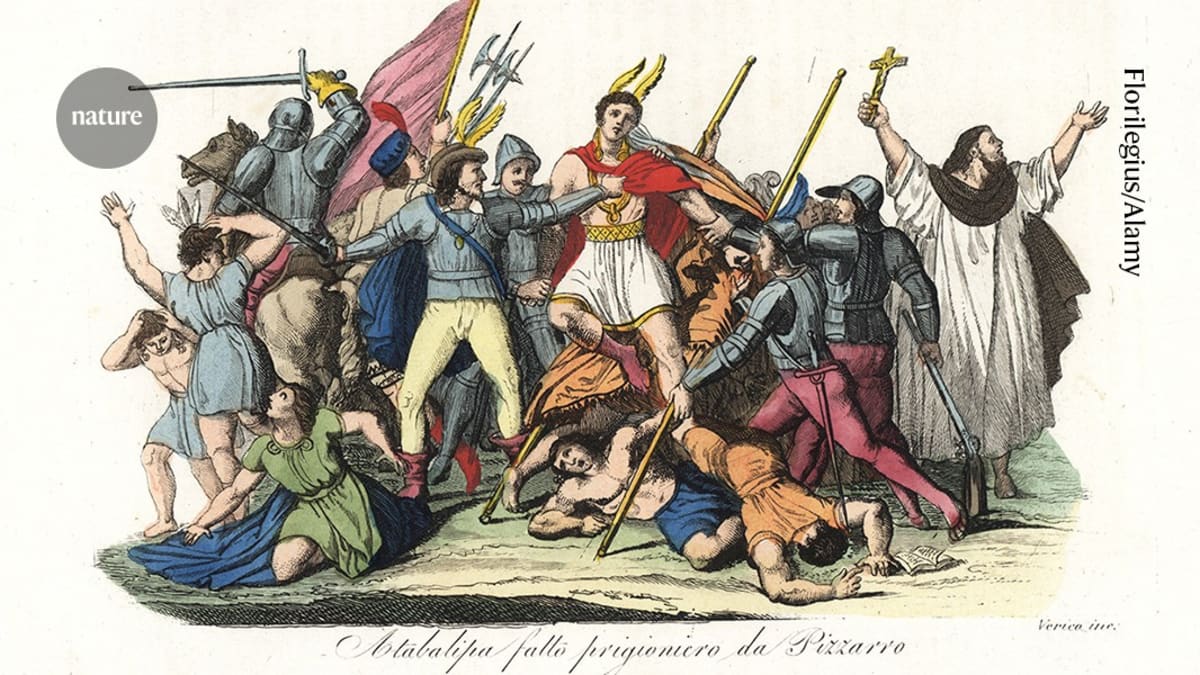
The genetic analysis confirmed what historians long suspected but couldn't prove. The Chilean smallpox variant split from a European branch around the thirteenth century, providing hard evidence that European colonizers brought the disease to South America.
But the team uncovered something far more valuable than historical confirmation. By comparing this ancient virus to modern strains, they discovered that smallpox lost genes over time as it adapted to human hosts.
Why This Inspires
This accidental discovery opens new windows into understanding how viruses evolve. The genetic snapshots from different centuries show that pathogens change dramatically as they adapt to survive in human populations.
Scientists now have only a handful of pre-twentieth century smallpox samples to study: seventh-century Viking remains, a seventeenth-century Lithuanian mummy, and now these Chilean findings. Each one teaches researchers how deadly diseases transform over time.
The research matters beyond history books. Related viruses like mpox might be using similar genetic mechanisms today, and understanding how smallpox evolved could help scientists predict and prepare for future viral threats.
Terry Jones, a computational virologist at Charité University Medicine Berlin, notes that researchers know remarkably little about the recent history of viruses. Studies like this provide rare glimpses into a pathogen's past that can inform medical responses today.
Smallpox killed an estimated 300 million people in the twentieth century alone before being eradicated through vaccination. Now, even in extinction, the virus teaches us lessons that could protect future generations from emerging diseases.
What started as a software test became a window into both human history and viral evolution, proving that sometimes the most important discoveries happen when we're looking for something else entirely.
More Images



Based on reporting by Nature News
This story was written by BrightWire based on verified news reports.
Spread the positivity!
Share this good news with someone who needs it

%2Fhttps%3A%2F%2Ftf-cmsv2-smithsonianmag-media.s3.amazonaws.com%2Ffiler_public%2F75%2F34%2F75342ac4-0f4b-4563-a63d-3012f0feae31%2Fgettyimages-2293659629.jpg)
%2Fhttps%3A%2F%2Ftf-cmsv2-smithsonianmag-media.s3.amazonaws.com%2Ffiler_public%2Fef%2F5b%2Fef5b9055-962e-483d-b70c-ed912c2a6481%2Fviikinkaikainen_rahakatko.jpeg)