Ancient Egg Fossil Shows How Mammals Survived Extinction
Scientists discovered a 252-million-year-old fossilized embryo in South Africa that proves our mammal ancestors laid eggs and reveals how they survived Earth's worst mass extinction. The find marks the first confirmed evidence of egg-laying in therapsids, the prehistoric creatures that gave rise to modern mammals.
A tiny fossilized embryo curled inside an ancient egg just rewrote the story of how our mammal ancestors survived the end of the world.
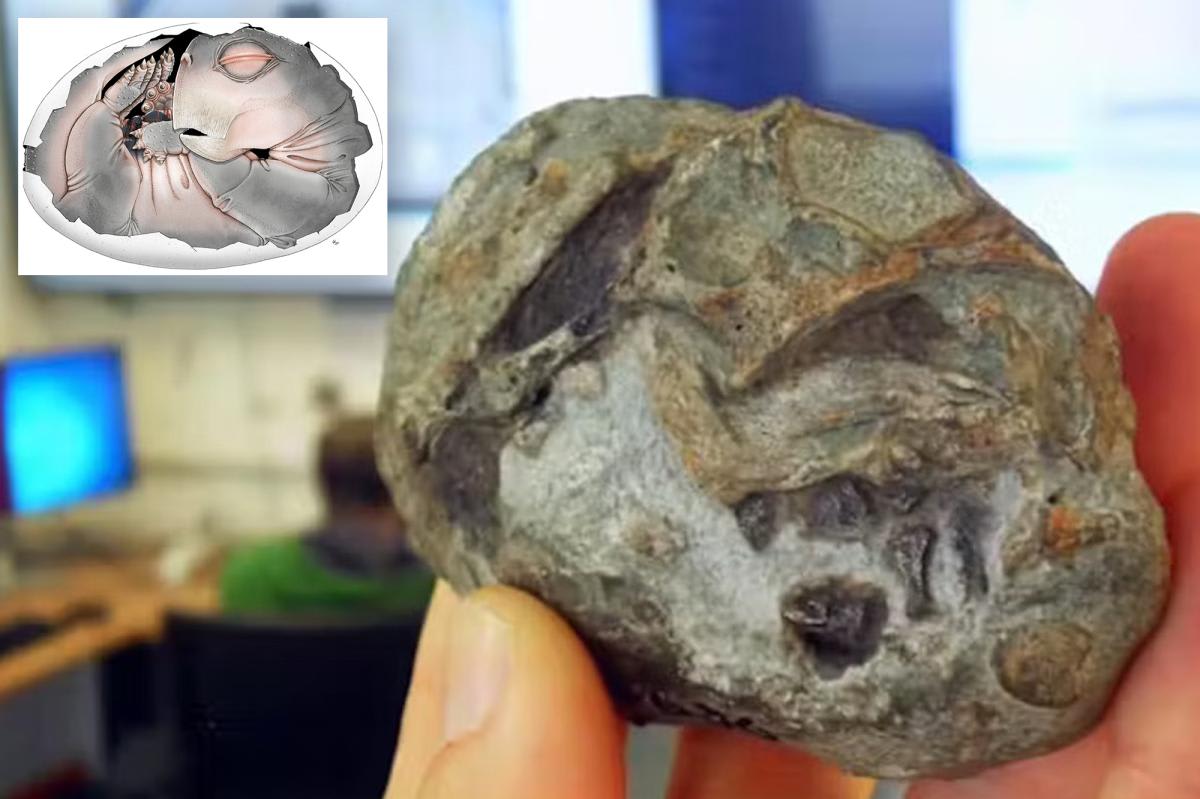
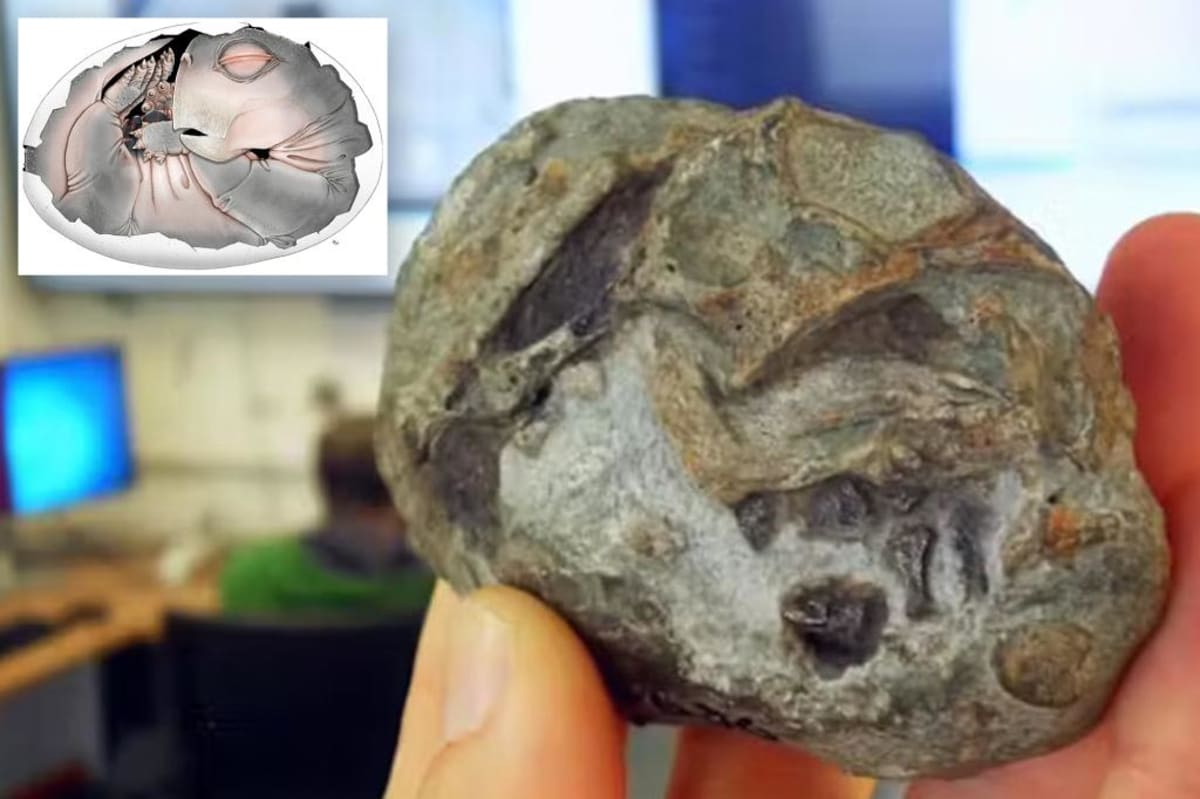
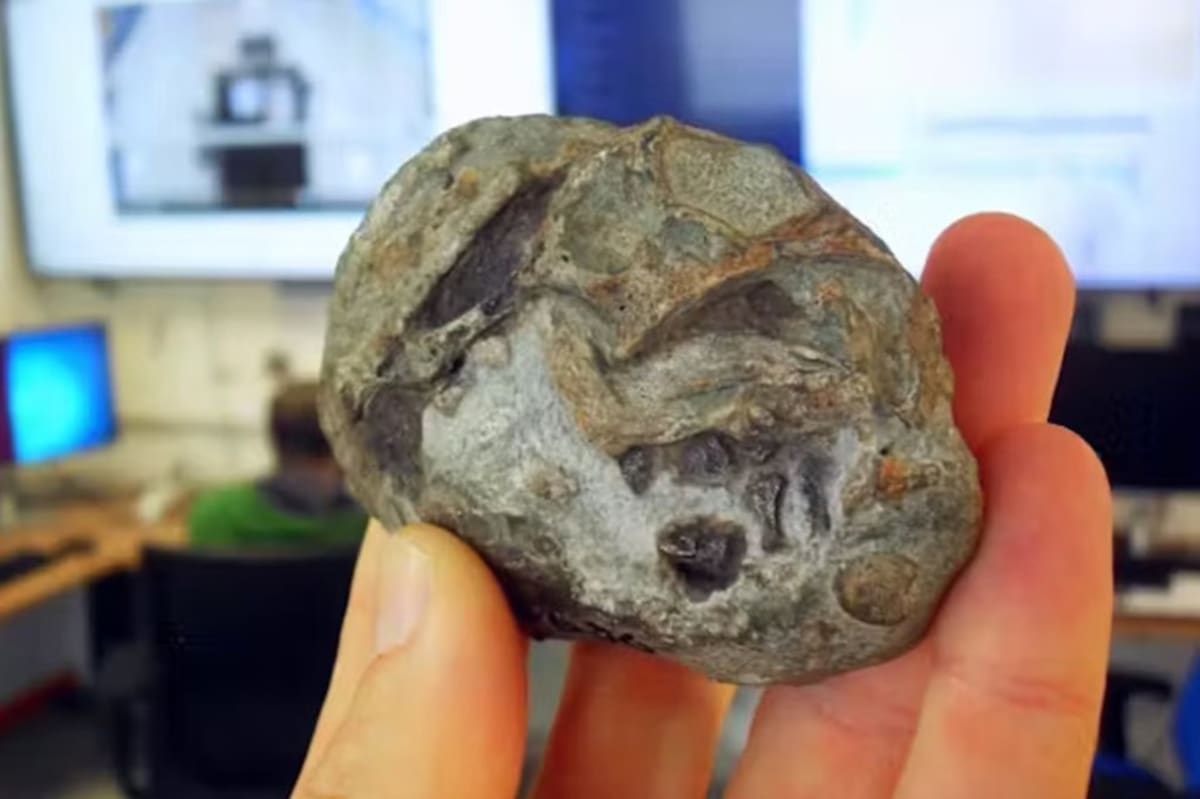
Scientists in South Africa confirmed that therapsids, the forerunners of all modern mammals including humans, were laying hard-shelled eggs 252 million years ago. The discovery came from analyzing a fossil found in 2008 by paleontologist John Nyaphuli in Oviston, South Africa.
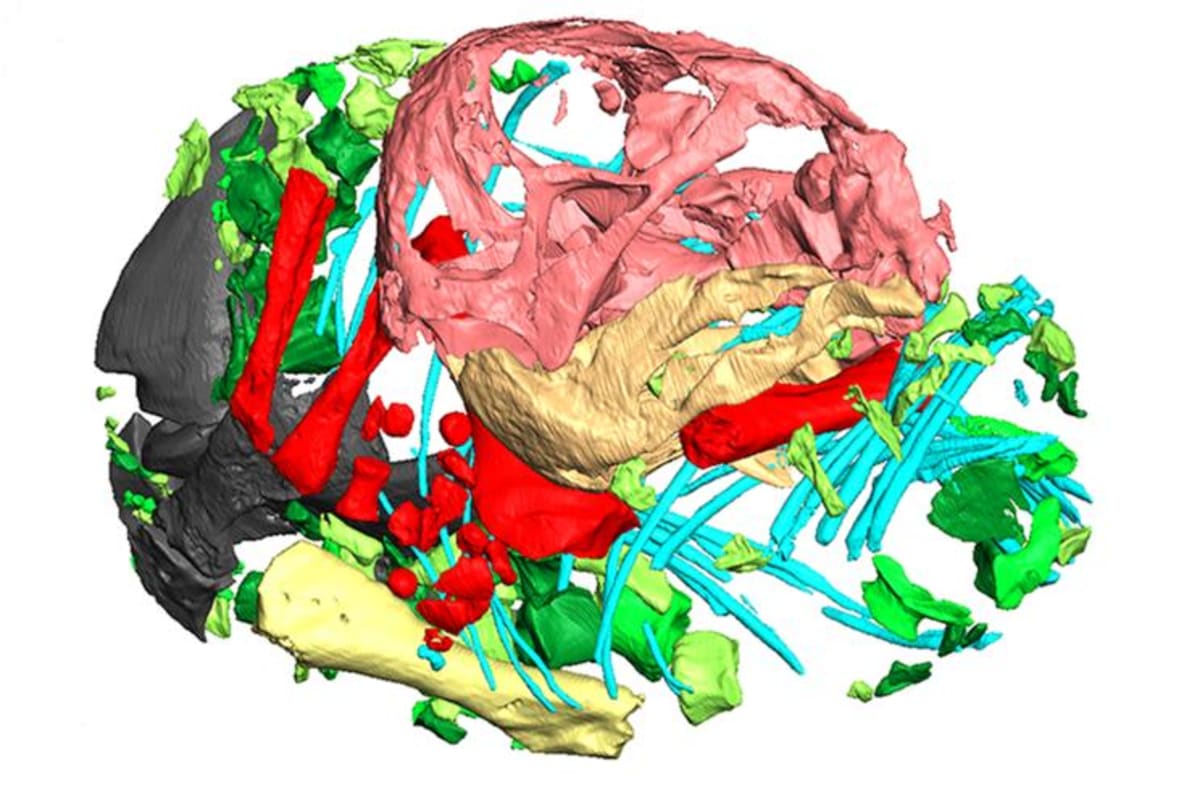
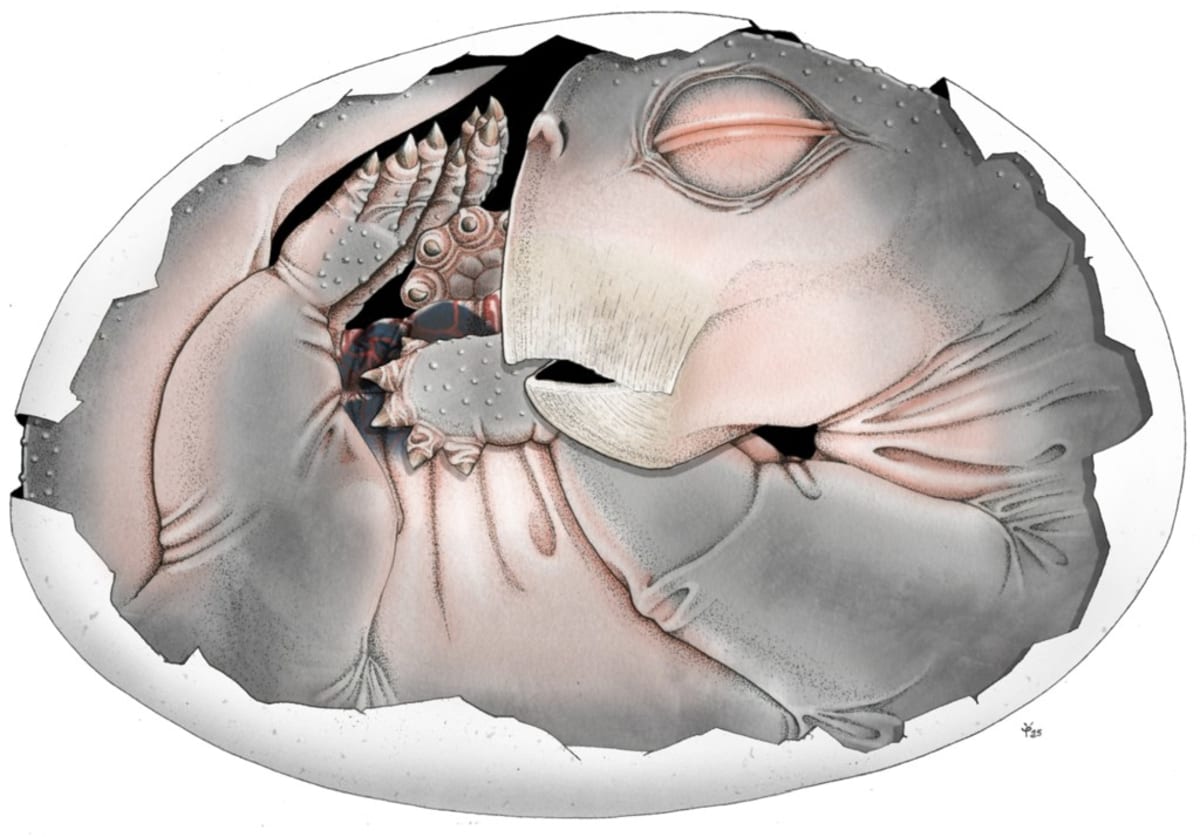
The embryo belonged to Lystrosaurus, a pig-sized herbivore with a turtle-like beak, naked skin, and two tusks. Because the fossil had no visible shell, researchers initially didn't realize it came from an egg at all.
The breakthrough came when the team used X-rays to examine the embryo's development stage. They discovered the baby Lystrosaurus had an unfused beak, a trait only found in modern turtles and birds that need strong beaks to break out of their shells and immediately find food.
"This was the evidence paleontologists had been looking for," the research team wrote in the journal PLOS One. Study author Jennifer Botha of the University of the Witwatersrand called the find "thrilling because this discovery breaks entirely new ground."
The timing of these egg-laying abilities matters more than you might think. Around 252 million years ago, volcanic eruptions triggered "The Great Dying," killing 90% of all life on Earth through acidified oceans and carbon dioxide-choked skies.
Lystrosaurus survived this apocalypse partly because of their unusually large eggs. The leathery shells prevented water loss in the harsh, arid environment, and the big yolks meant babies hatched ready to feed themselves, escape predators, and reproduce quickly.
Why This Inspires
This ancient survival story offers modern hope. Understanding how species adapted to past extinction events gives scientists insights into how today's animals might weather future climate challenges.
Only two egg-laying mammals exist today: the duck-billed platypus and the echidna. But this fossil proves egg-laying was once far more common among our ancestors, revealing an evolutionary flexibility that helped life persist through Earth's darkest moments.
The discovery reminds us that adaptation and resilience have always been written into the DNA of survival.
More Images
Based on reporting by Google: fossil discovery
This story was written by BrightWire based on verified news reports.
Spread the positivity!
Share this good news with someone who needs it