Ancient Farmers Built Massive System Without Rulers
Communities in pre-Hispanic Colombia built an irrigation network three times the size of London without any central government. New research shows these cooperative farmers offer lessons for solving today's water crisis.
Ancient farmers in Colombia pulled off an engineering marvel that modern scientists assumed was impossible without kings or chiefs commanding the work.
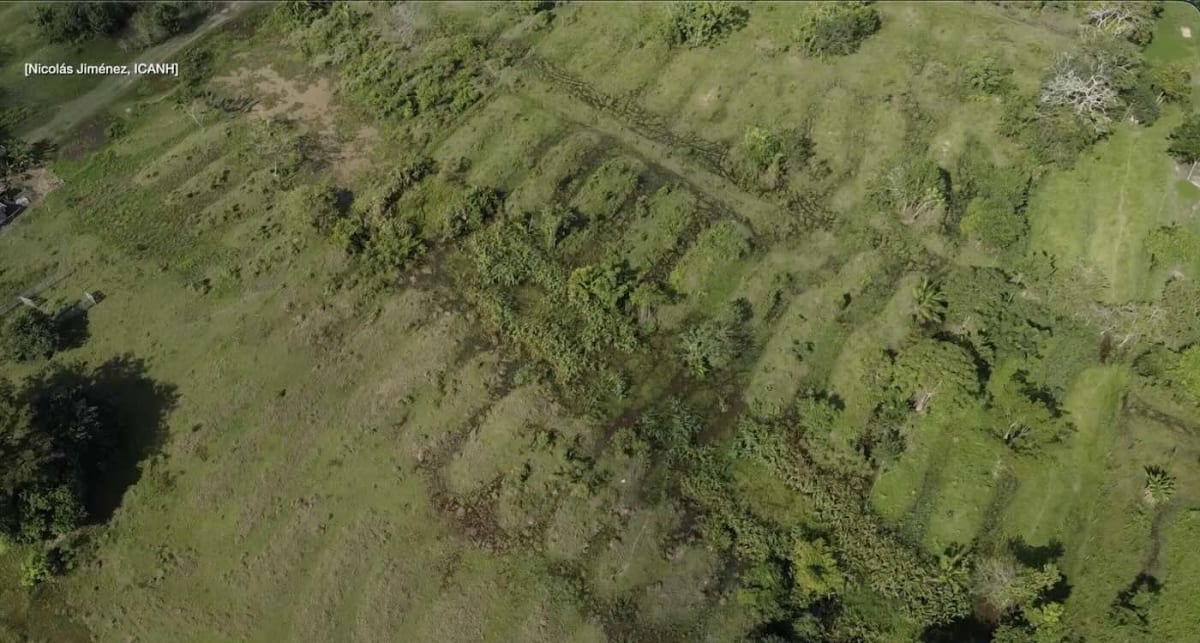
Between the first century BC and 1100 AD, farming communities in what is now northern Colombia created an irrigation system covering 1,930 square miles. That's three times larger than modern London, visible from aircraft flying at high altitude.
For years, archaeologists believed such a massive project required powerful rulers directing thousands of workers. The complexity seemed too great for small communities to organize on their own.
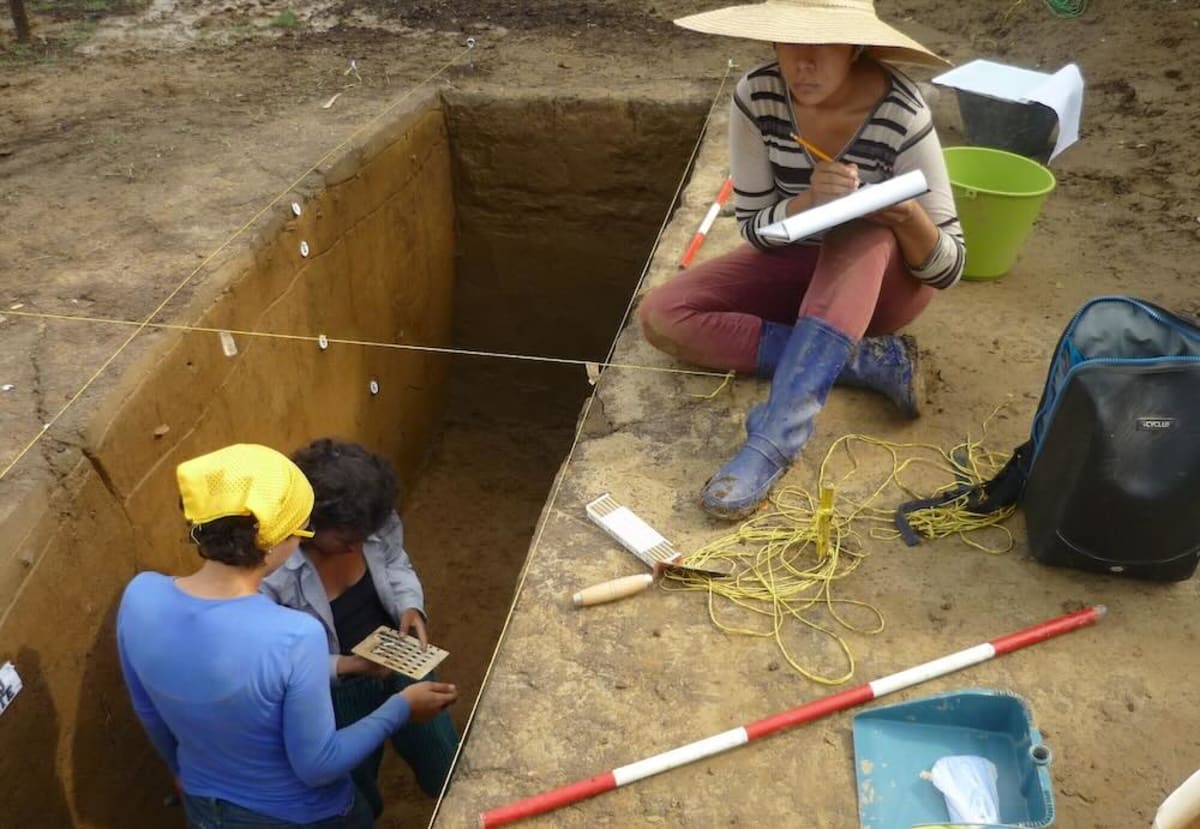
But new research from the University of Cambridge tells a different story. Dr. Jasmine Vieri and her team studied 1,600 ridges and 63 housing platforms in unprecedented detail. Their findings show local families worked together cooperatively, building faster than anyone thought possible.
The communities dug canals and raised fields using only wooden tools and clay soil. About 800 people in the study area created the system through shared labor. Men, women, and likely children all participated in the work.
The network did more than water crops. It managed heavy rains by redirecting water gradually during dry months. The raised fields protected against both floods and droughts while creating fertile soil for farming. Locals probably used the canals to trap fish too.
These farmers lived at the same time as the Maya civilization. While their neighbors developed hierarchical empires that would become the Aztecs and Incas, the Colombian communities chose a different path. They organized horizontally, proving that cooperation could achieve great things without top-down control.
The Ripple Effect
The ancient system stopped being used before Spanish colonizers arrived in the 1500s, possibly because people moved toward mountain areas. But the lessons lived on in the ground.
Today, Colombia faces a water management crisis linked to climate change. Dr. Fernando Montejo Gaitán from the Colombian Institute of Anthropology and History says policymakers have wanted to study these ancient solutions but lacked data. This research provides the first proof that local communities can organize sustainable water systems without waiting for state intervention.
The study, published in Communications Sustainability, shows people may need government resources but not necessarily government management. Communities working with nature instead of against it built something that lasted over a thousand years.
Ancient farmers with wooden shovels and cooperative spirit created what researchers now call "an engineering wonder of the world."
More Images


Based on reporting by Good News Network
This story was written by BrightWire based on verified news reports.
Spread the positivity!
Share this good news with someone who needs it