Ancient Fossils Rewrite 150 Years of Evolution Science
Scientists just discovered that the first animals to walk on land didn't transform like tadpoles into frogs, overturning a century and a half of what we thought we knew. Tiny 310-million-year-old fossils are rewriting the story of how life left the ocean.
Everything you learned in biology class about how animals first walked on land might be wrong, and that's actually amazing news for science.
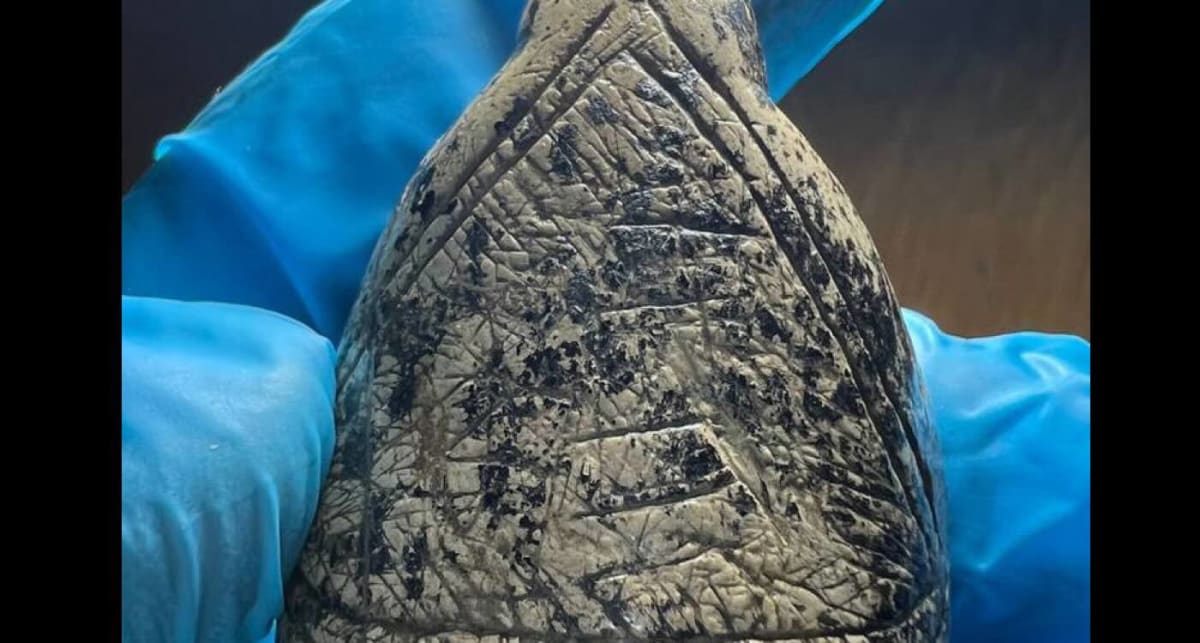
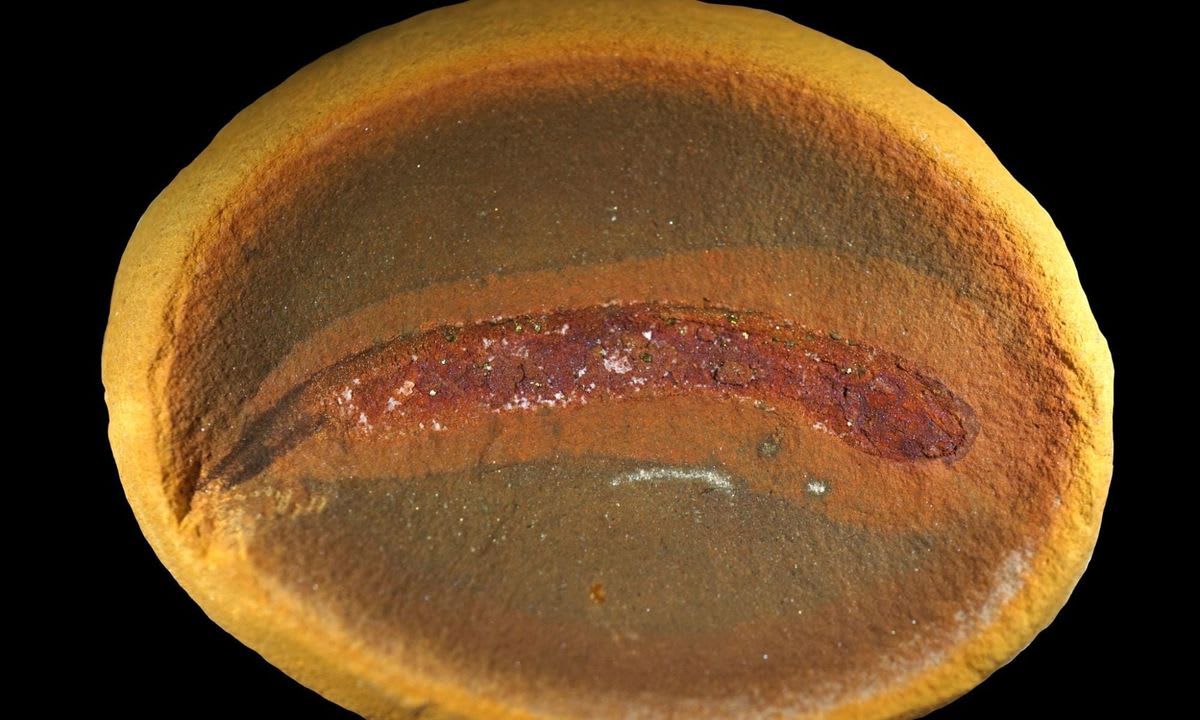
Researchers at Chicago's Field Museum just published a discovery that challenges 150 years of evolutionary theory. By studying incredibly rare fossils of baby animals from 310 million years ago, they found that early land creatures didn't go through a tadpole-like stage as scientists have long assumed.
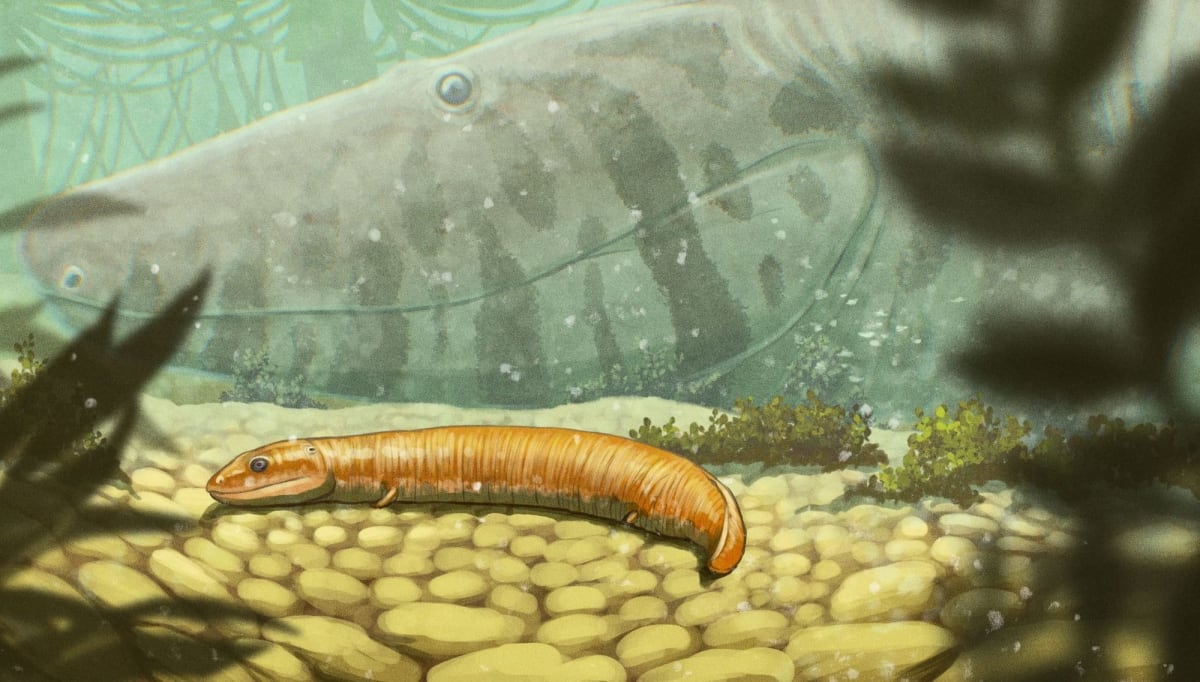
The traditional story seemed logical enough. We thought the first four-limbed animals, called tetrapods, started life as fish-like babies with gills in the water, then transformed into land-walking adults, just like modern frogs and toads do today.
Scientists Jason Pardo and Arjan Mann hunted through museum collections and private archives for something incredibly hard to find: fossils of baby tetrapods. These tiny creatures rarely survived as fossils because their bones were still developing and required perfect conditions to preserve.
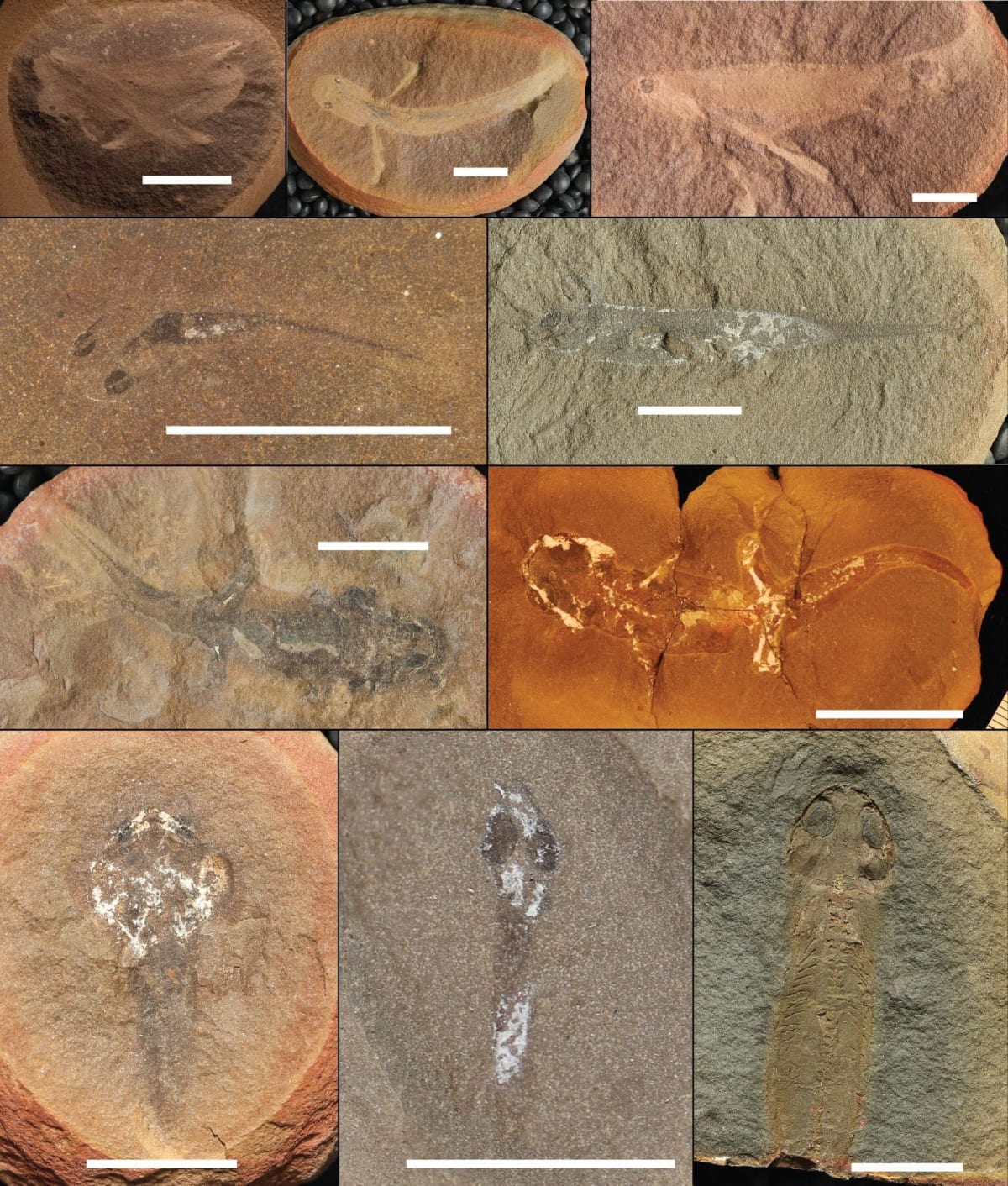
They struck gold in the Mazon Creek fossil beds of northern Illinois. The team found crocodile-like predators called embolomeres, snake-like creatures, and ancient fish, some so young their fossils still showed the belly yolk they were feeding on after hatching.
When the researchers examined these babies closely, they expected to find external gills and other telltale signs of metamorphosis. Instead, they found nothing of the sort.
The baby animals looked basically like miniature versions of adults. No gills, no dramatic transformation, no tadpole phase at all.
"It was very striking that none of the structures we would look at seemed like larval features," Pardo explained. After a century and a half of treating these animals like amphibians, the evidence was pointing in a completely different direction.
Why This Inspires
This discovery reminds us that science gets better by being wrong. Every overturned assumption opens doors to deeper understanding.
The findings suggest that early land animals took much longer to fully adapt to life on land than we thought. Instead of a quick transformation giving them a shortcut to terrestrial life, they slowly adjusted over many generations, staying similar from birth to adulthood.
Modern amphibian metamorphosis likely evolved much later, after animals were already established on land. It wasn't the key that unlocked terrestrial life but rather a later innovation that helped them thrive in diverse environments.
The research shows how much we still have to learn about our own origins. These scientists didn't just find old bones; they found evidence that nature's solutions can be completely different from what seems logical.
Science's willingness to rewrite its own textbooks when evidence demands it is exactly what makes it trustworthy.
More Images

Based on reporting by Google: fossil discovery
This story was written by BrightWire based on verified news reports.
Spread the positivity!
Share this good news with someone who needs it