Ancient Fossils Show Complex Life Began Earlier Than Thought
Scientists in China discovered hundreds of fossils proving that complex animals existed millions of years before the famous "Cambrian explosion." The finding suggests life evolved more gradually than we believed.
Life on Earth got complicated far earlier than scientists thought, and a jaw-dropping fossil discovery in China is rewriting the story of how animals evolved.
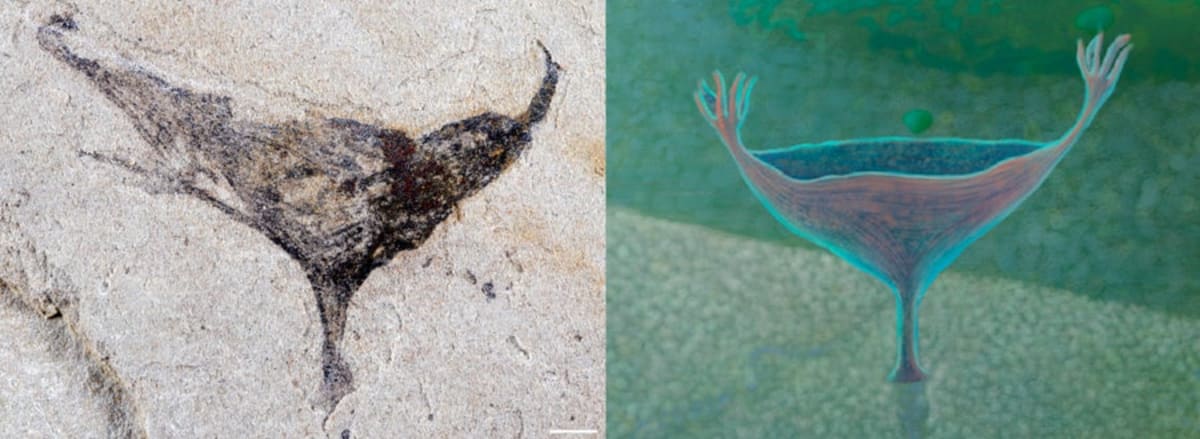
Researchers uncovered more than 700 fossils in southern China's Yunnan province, revealing that complex creatures thrived about 15 million years earlier than previously known. Many of these ancient animals had bilateral symmetry (bodies with matching left and right sides) and advanced features like mouths, muscles for movement, and the ability to burrow or swim.
The discovery happened by accident. Scientists searching for ancient algae in cliff faces stumbled upon what turned out to be "some of the most significant early animal fossils" found in decades, says Frances Dunn, a natural history researcher at Oxford University Museum and co-author of the study published in Science.
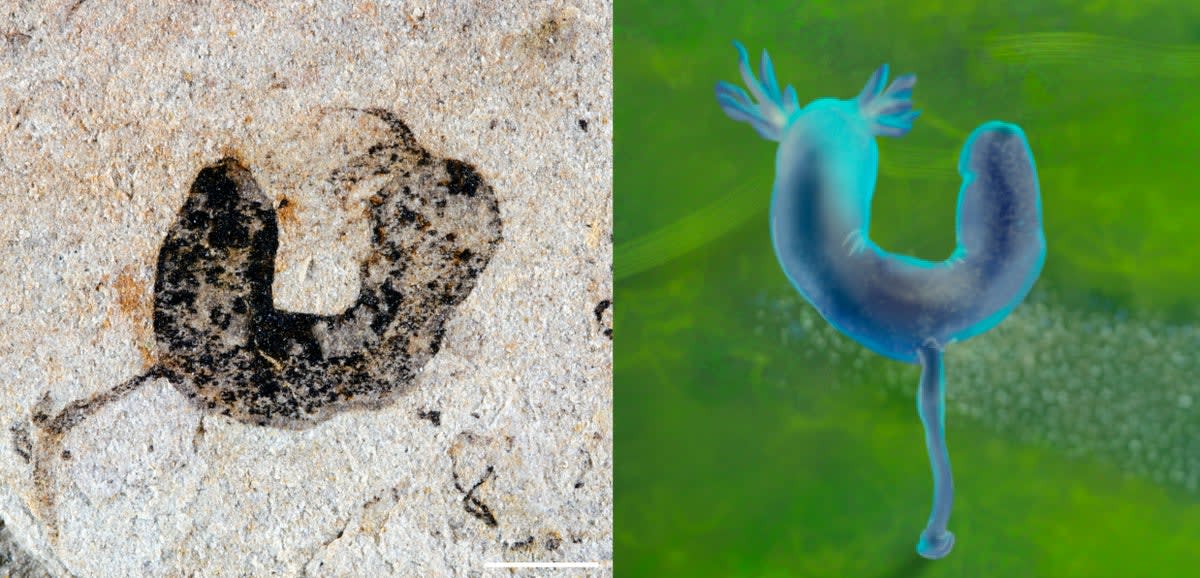
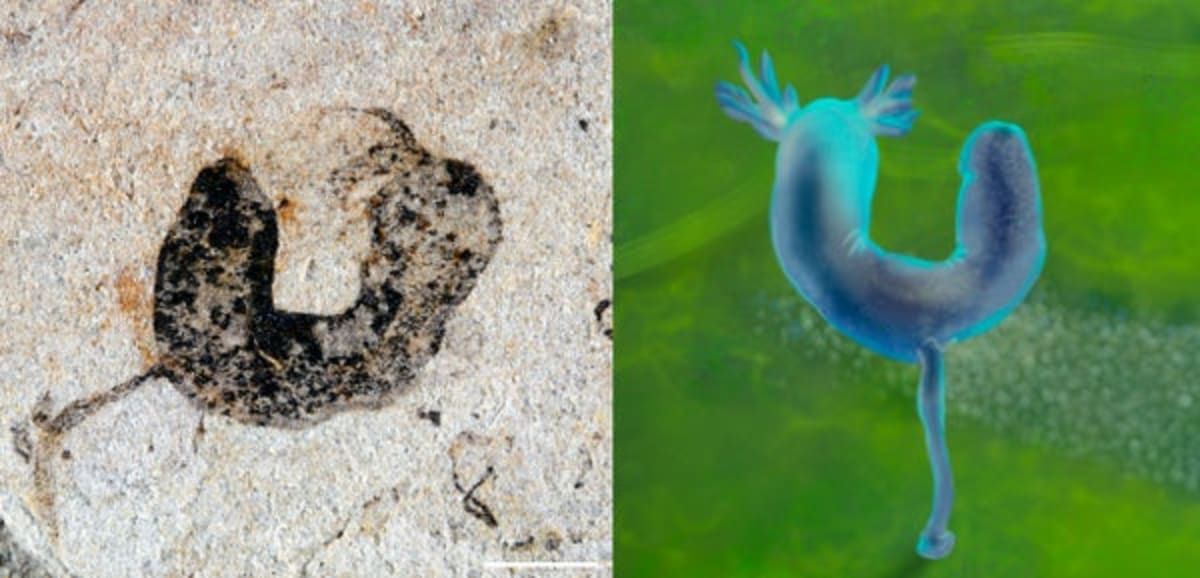
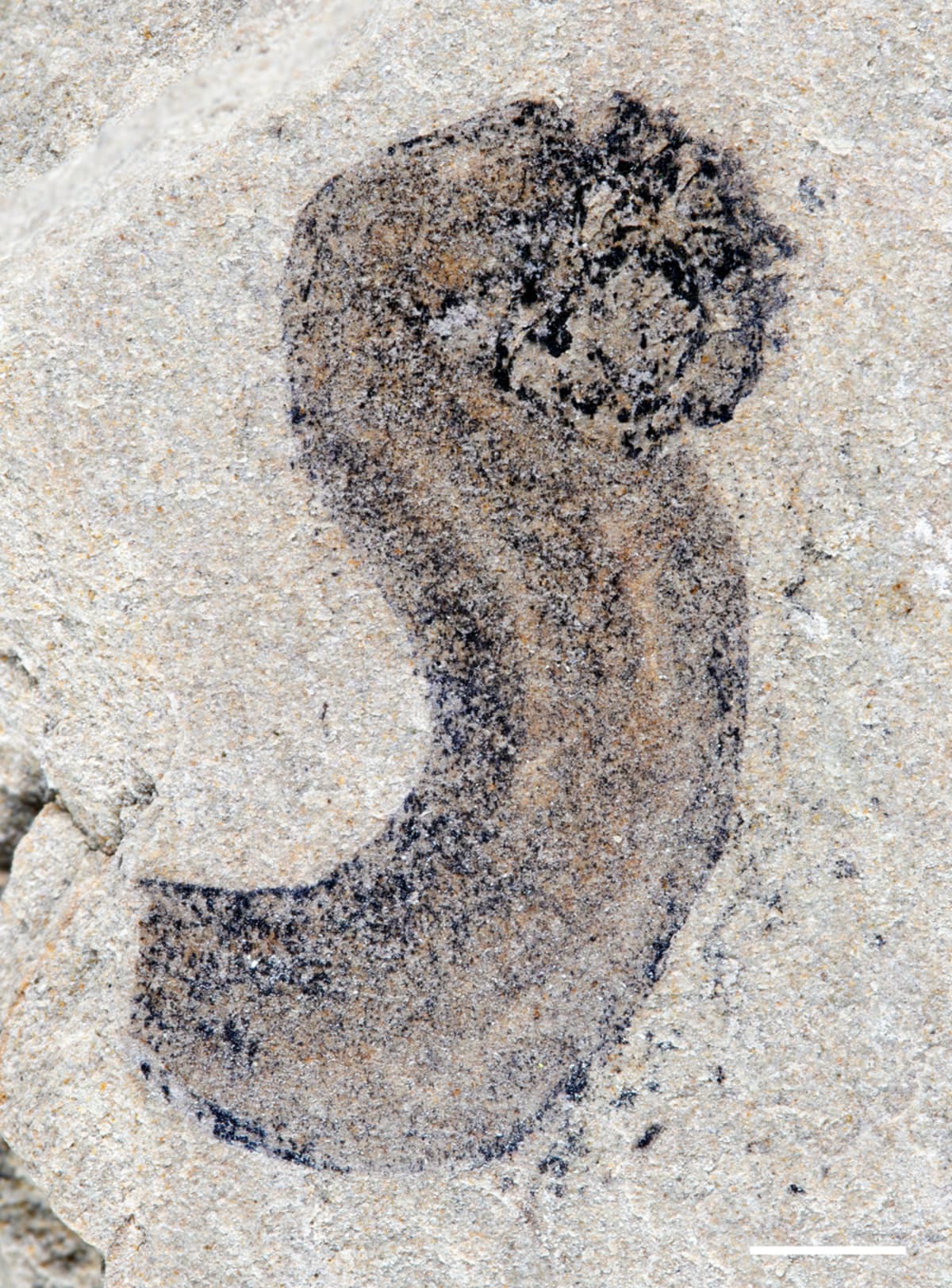
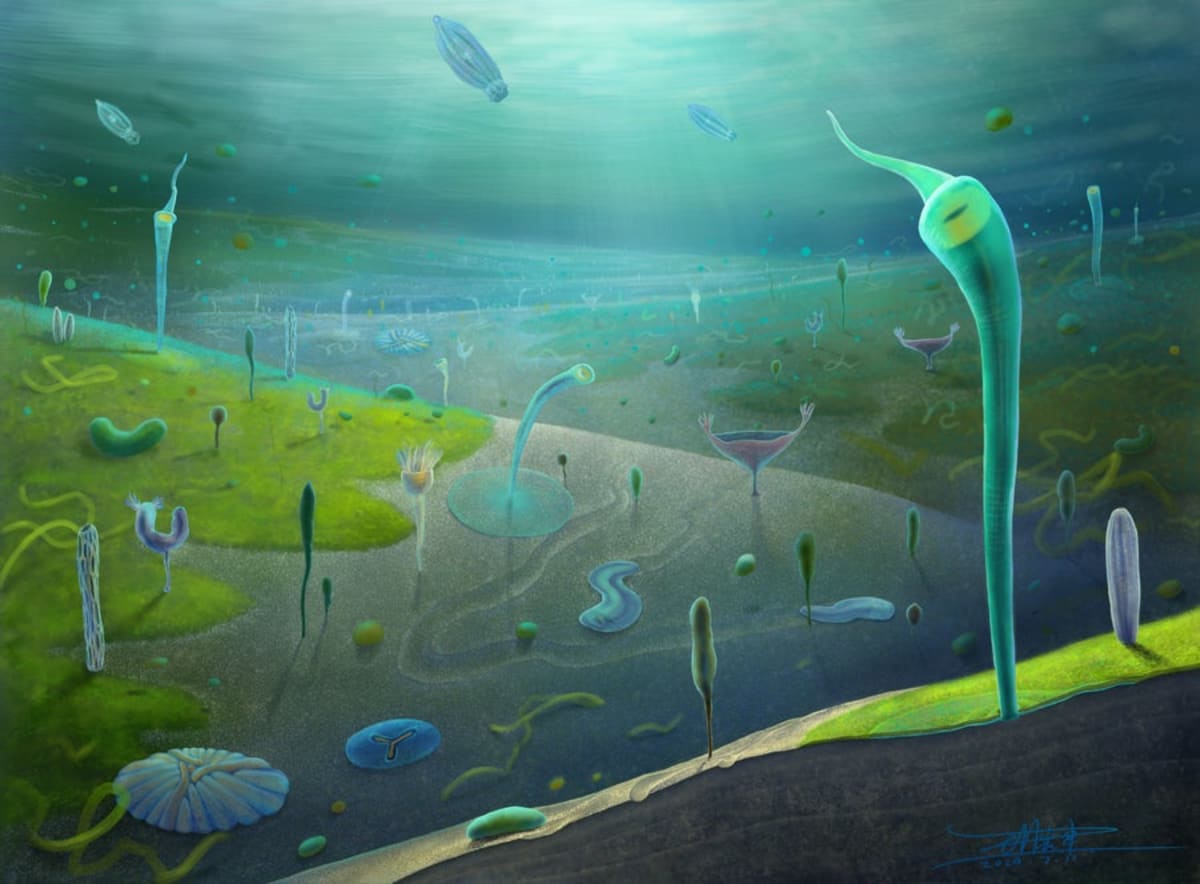
The most common creature looked like a human index finger with a wormlike body and a disk that anchored it to the ocean floor. Over 100 specimens suggest these animals once carpeted the ancient seabed in dense populations.
What makes this find so exciting is where these fossils came from: the Ediacaran period, which ended about 539 million years ago. Until now, scientists believed most complex animals appeared suddenly during the Cambrian explosion around 540 million years ago, when ocean life rapidly diversified in what seemed like an evolutionary sprint.
These new fossils paint a different picture. They show a "transitional world" where simple, soft-bodied creatures lived alongside sophisticated bilaterians (animals with symmetrical bodies like most creatures today, including humans). Some specimens closely resemble cambroernids, animals similar to modern sea cucumbers that were thought to exist only in the later Cambrian period.
Why This Inspires
This discovery defuses the idea of an explosive moment in evolution and reveals something more hopeful: life found its way forward gradually, experimenting and adapting over millions of years. The finding shows that complexity and diversity built steadily, not through sudden bursts but through persistent innovation.
The research team is now working to formally describe and name all the creatures, which Dunn says will "keep us busy for like 10 years, easily." Each fossil offers clues about where these animals fit on the tree of life and how they paved the way for the incredible diversity we see today.
The ancient ocean floor was busier and more sophisticated than we imagined, filled with pioneering creatures testing out body plans that would eventually lead to nearly every animal alive today.
More Images
Based on reporting by Scientific American
This story was written by BrightWire based on verified news reports.
Spread the positivity!
Share this good news with someone who needs it
%2Fhttps%3A%2F%2Ftf-cmsv2-smithsonianmag-media.s3.amazonaws.com%2Faccounts%2Fheadshot%2FSara_-_Headshot_thumbnail.png)