Ancient Fossils Show Life Exploded 4 Million Years Earlier
Scientists in China discovered over 700 fossils proving complex animal life began 4 million years earlier than we thought. The find bridges a crucial gap in understanding how Earth's simple creatures transformed into the diverse animals we see today.
The mystery of when Earth's oceans transformed from flat, simple blobs into swimming, feeding creatures just got solved, and it happened millions of years earlier than scientists believed.
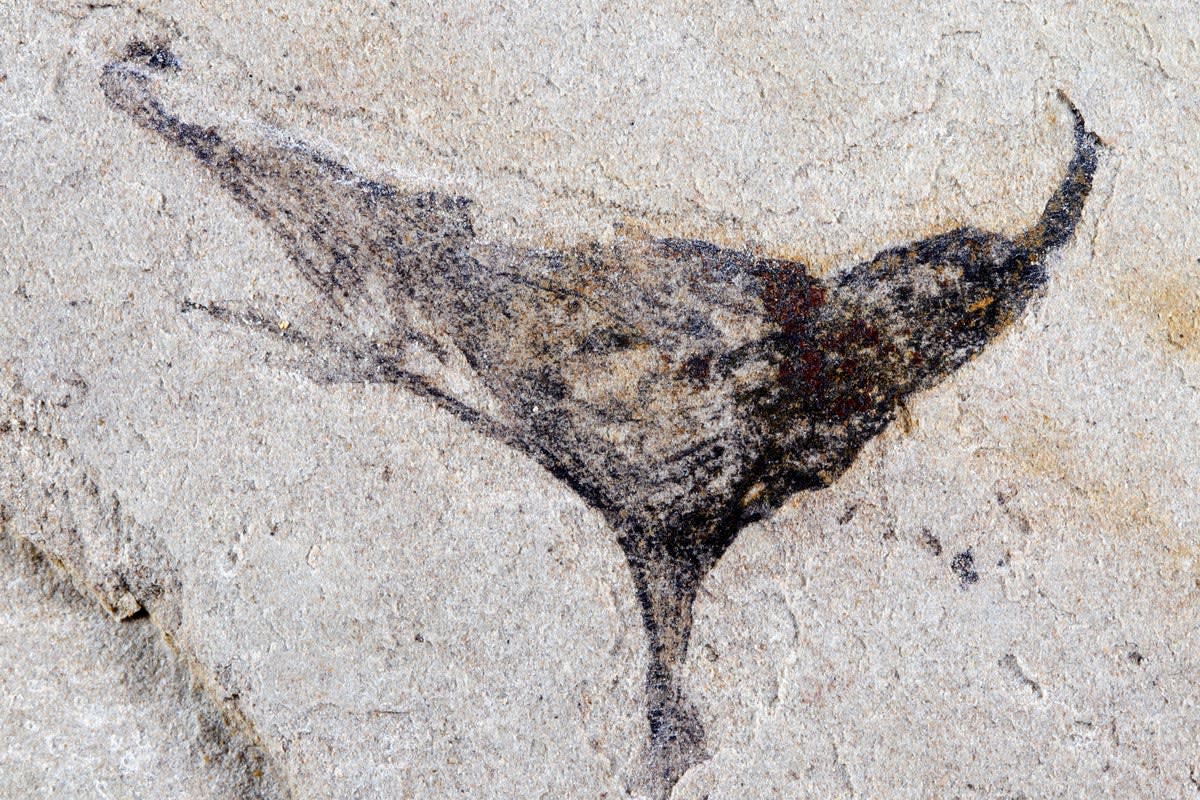
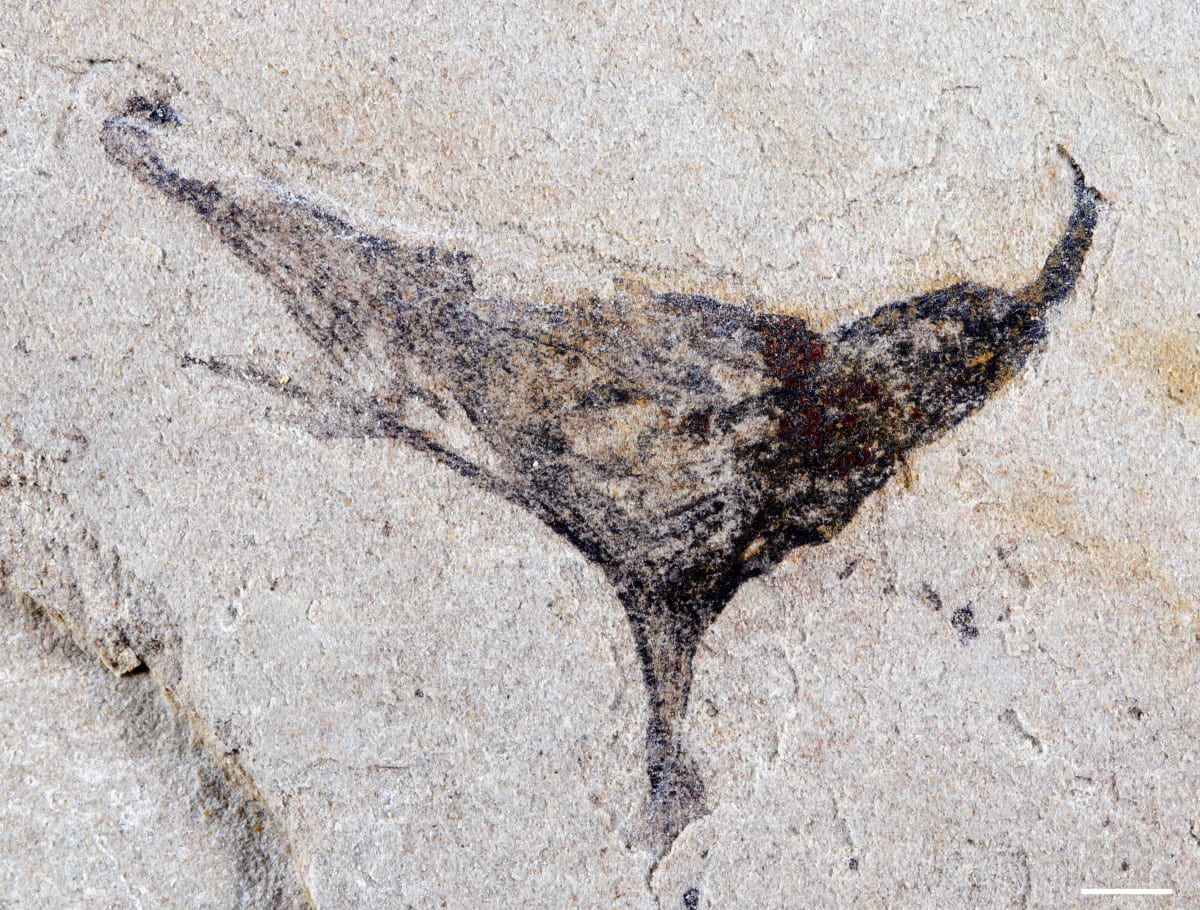
Over 700 fossils discovered along a roadside in China's Yunnan province reveal that complex animal life was thriving 539 million years ago. That's at least four million years before the famous "Cambrian explosion" when scientists thought sophisticated life first appeared.
The fossils show creatures that could move up and down through water, feed themselves, and navigate their environment in three dimensions. Before this discovery, scientists thought the Ediacaran period only hosted weird, flat organisms that couldn't do much more than exist on the ocean floor.
"This really is the first window we have into how basically the modern animal dominated biosphere was formed," said paleontologist Frankie Dunn from Oxford University's Museum of Natural History. The team found the fossils at different rock layers where you can literally walk through millions of years of geological time.
What makes these creatures special is their symmetry. Nearly all animals alive today, from humans to starfish, have matching left and right sides, plus a head and an anus. Scientists had seen tracks suggesting these symmetric animals existed earlier, but never had the actual fossils to prove it until now.
The discovery solves a major puzzle in paleontology. Genetic analysis had suggested that complex animals evolved during the Ediacaran period, but the fossil evidence was missing. Scientists called it the "rocks versus clocks" debate, and now the rocks are finally backing up what the genetic clocks predicted.
The Ripple Effect
This breakthrough changes how we understand one of Earth's most important transitions. For 2.4 billion years after life began, only simple organisms existed. Then suddenly, complex animals multiplied and took over the planet.
The fossils captured a unique snapshot showing both the bizarre creatures that would soon disappear and early versions of animals that would evolve into modern life. Scientists believe Earth finally built up enough oxygen levels, and evolution kicked in with the right genetic changes to make this explosion possible.
Now researchers want to understand not just when it happened, but why. Did the first animals on the seafloor inevitably lead to more complex life? The answers could reveal fundamental truths about how life and Earth interact to create the diverse world we live in today.
This roadside discovery proves that sometimes the most groundbreaking science happens in the least glamorous places, changing everything we thought we knew about our planet's history.
More Images
Based on reporting by Google News - Scientists Discover
This story was written by BrightWire based on verified news reports.
Spread the positivity!
Share this good news with someone who needs it