Ancient Human Lineage Survived Ice Age Near Beijing
Scientists uncovered DNA from a previously unknown human branch that lived through the end of the last ice age in northern East Asia, rewriting what we know about ancient survival. The discovery shows human diversity persisted far longer than expected, even as cultures transformed.
A burial site near Beijing just revealed that human ancestry was far more diverse than scientists realized, even after the ice age ended.
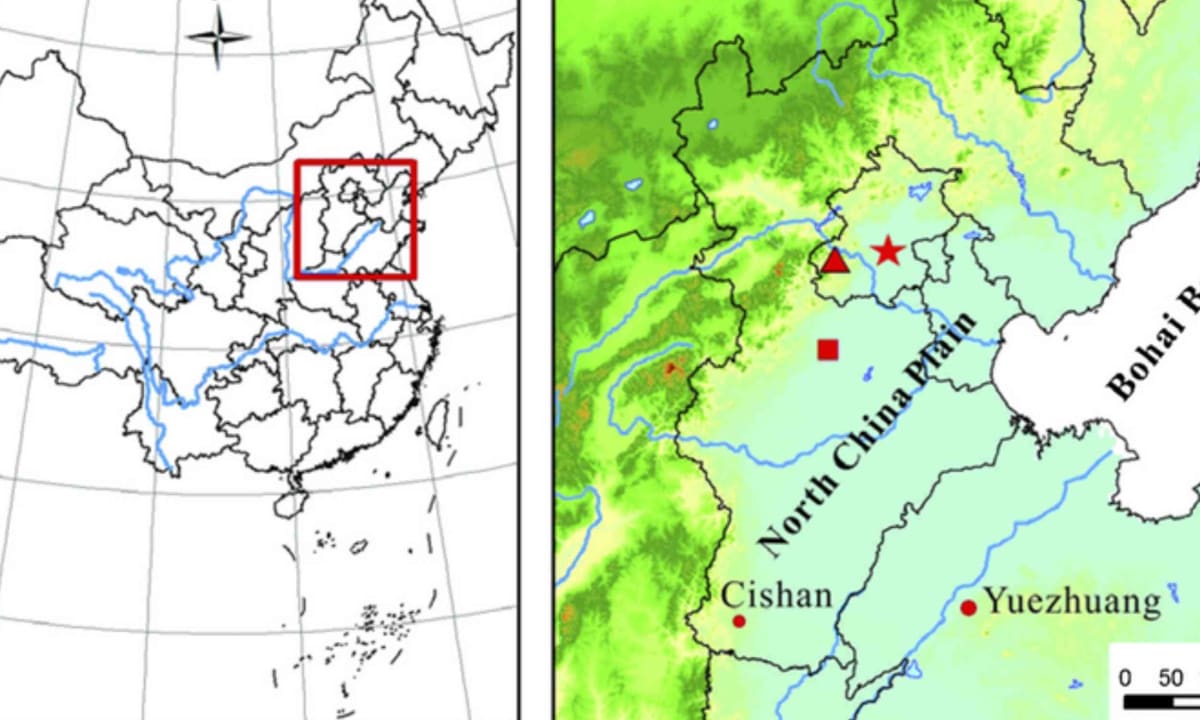
Researcher Qiaomei Fu at the Institute of Vertebrate Paleontology and Paleoanthropology analyzed ancient DNA from remains at Donghulin, west of modern Beijing. One older woman belonged to a lineage never seen before in any studied population. Her ancestry traced back thousands of years earlier, yet her branch survived into a warming world when human life was rapidly changing.
The discovery gets more interesting. About 2,000 years after this woman lived, a younger man buried in the same location carried completely different DNA. His ancestry linked to communities on the southern Mongolian Plateau, suggesting one population replaced another at this single site.
Yet the tools, pottery, and food practices stayed remarkably consistent. Evidence shows people at Donghulin slowly domesticated foxtail millet over about 2,000 years. Newcomers didn't restart that process. They joined an ongoing experiment in settled life and agriculture.
Fu believes survival pressure during climate shifts pushed people to find new food sources. "This may have been one of the driving forces behind the Paleolithic-to-Neolithic transition process in northern East Asia," she explained. Warming weather rearranged water sources, plants, and animal ranges, forcing communities to adapt or move.
The site wasn't isolated either. Marine shells and ostrich eggshell ornaments point to long-distance connections across northern East Asia. The older woman's deepest genetic match came from the Amur River region in far northeastern Asia, where another individual lived about 19,000 years ago.
Even maternal DNA told a story of mixing. Both the older woman and a third person at the site carried related but separate maternal branches that likely split during the late ice age. Three people, yet already clear evidence of genetic diversity within one small community.
Why This Inspires
This discovery challenges the idea that climate change simply erased old populations and replaced them with new ones. Instead, it shows human resilience in action. Different ancestral groups coexisted, adapted, and shared knowledge even as their genetic makeup shifted. Cultural practices like pottery-making and plant cultivation continued regardless of who carried them forward.
The story emerging from Donghulin is one of flexibility, not erasure. Ideas outlasted specific populations. Communities welcomed newcomers who built on existing knowledge rather than starting from scratch.
Human diversity found a way forward, even through ice ages and warming periods that reshaped entire landscapes.
Based on reporting by Google News - Scientists Discover
This story was written by BrightWire based on verified news reports.
Spread the positivity!
Share this good news with someone who needs it