Ancient Innovation Driven by Connection, Not Climate Alone
New research reveals how early humans in southern Africa developed breakthrough technologies through social networks and mobility rather than simply adapting to weather changes. The findings challenge long-held beliefs about what sparked innovation in our ancestors.
Scientists have uncovered a surprising truth about our ancient relatives: their greatest innovations came not from struggling through bad weather, but from connecting with each other across vast distances.
A new study examined 150,000 years of climate history in southern Africa alongside archaeological evidence from early human groups. The researchers found that cultural breakthroughs followed very different paths depending on how people interacted, not just what the weather was doing.
The team analyzed pollen from deep-sea sediment cores off Africa's coasts to create a detailed timeline of ancient vegetation and climate. These ocean records captured continuous signals of what plants grew on land, avoiding the gaps that plague cave deposits.
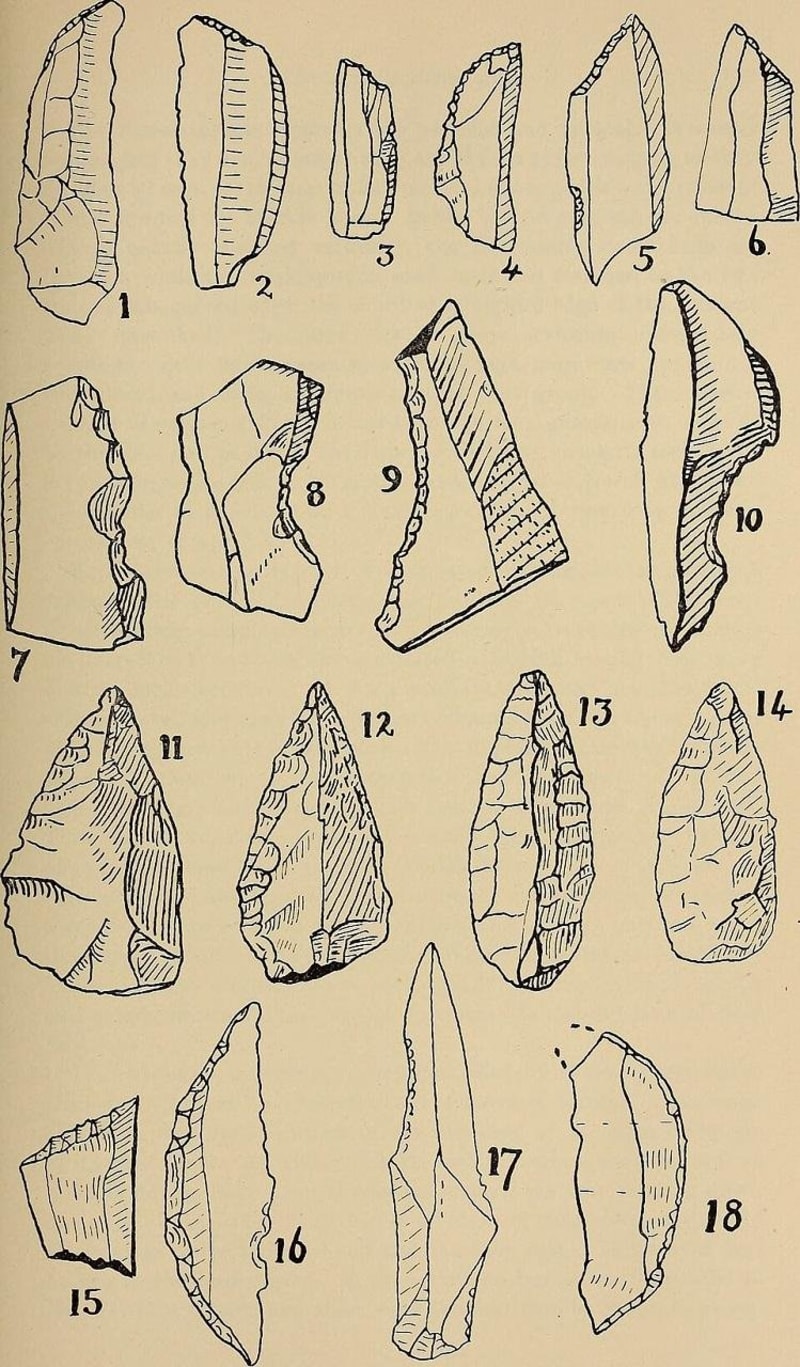
They discovered two distinct innovation periods that tell different stories. The Still Bay tradition emerged around 75,000 years ago during stable, productive times. Groups stayed in one place and developed finely crafted stone points, engraved ochre, and the earliest shell bead jewelry.
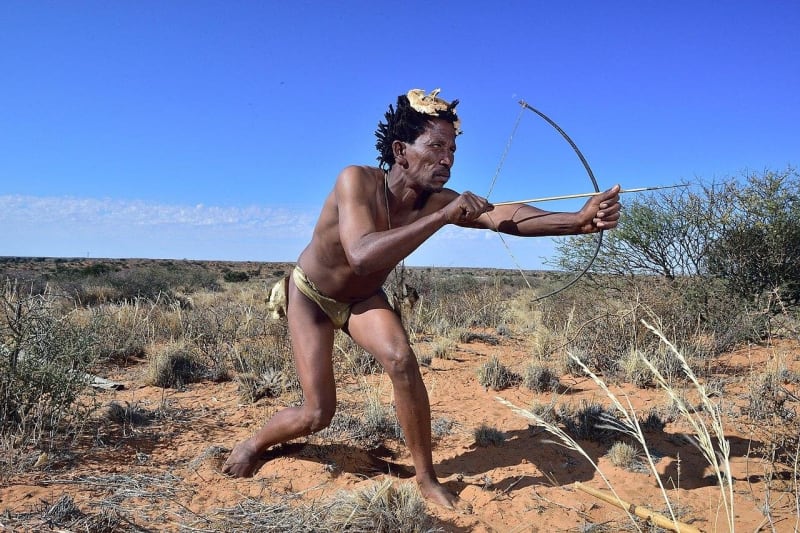
The Howiesons Poort period appeared later during unstable climate swings between 68,000 and 64,000 years ago. This era brought standardized blade production, backed tools, and early bow and arrow technology that spread across hundreds of kilometers.
The real breakthrough? Nearly identical tools appeared simultaneously across southern Africa during unstable times. This wide distribution reveals frequent travel, long-distance contacts, and rapid knowledge exchange between distant groups.
Stable climates encouraged local traditions and symbolic expression. Unstable times pushed people to move, meet, and share innovations. Yet the study also found long stretches of favorable weather with no cultural change at all, breaking the simple climate-equals-innovation equation.
Why This Inspires
This research transforms how we understand human ingenuity. Our ancestors weren't just passive victims of environmental change. They built extensive social networks, traveled remarkable distances, and deliberately shared knowledge across populations.
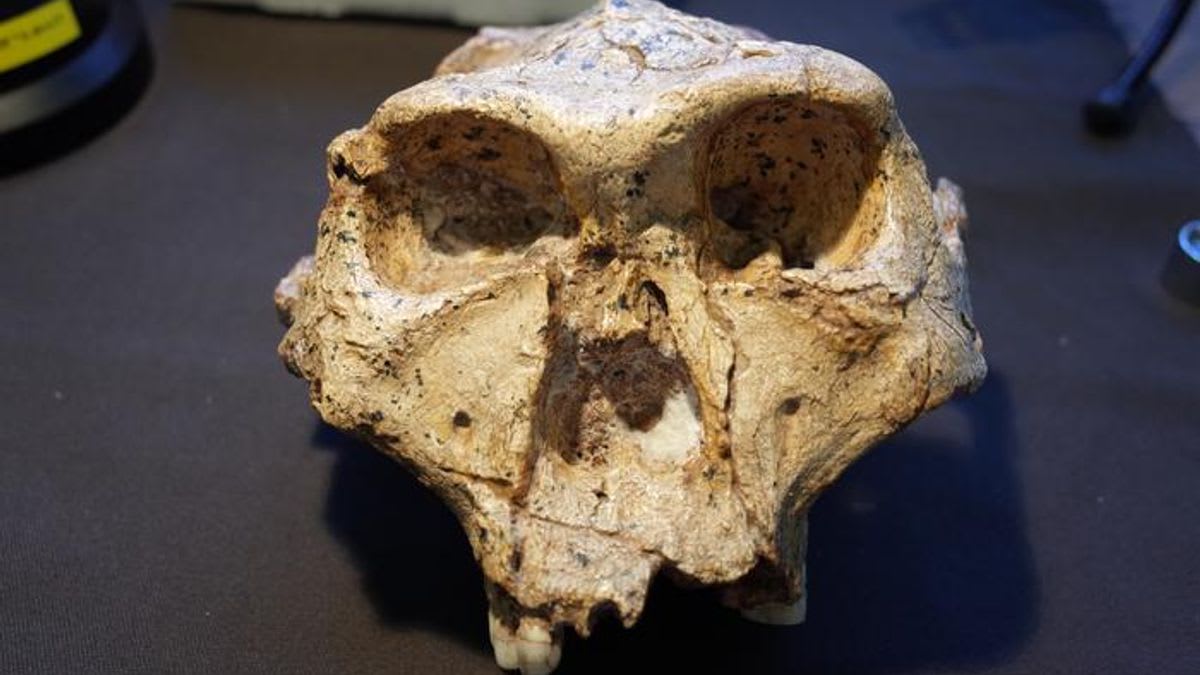
The findings support a broader view of early humans in Africa as connected communities rather than isolated groups. Fossils from Morocco, Ethiopia, and South Africa show mixed traits, suggesting gradual development across regions with periods of both isolation and contact.
Environmental shifts created new challenges and opportunities. But social structure determined how communities responded. Innovation emerged through changing connections between groups as much as through external pressure.
This ancient story holds a modern lesson: breakthrough ideas don't come from isolation or simply reacting to crisis. They come from building bridges, sharing knowledge, and maintaining connections across communities, especially during uncertain times.
More Images



Based on reporting by Google News - Africa Innovation
This story was written by BrightWire based on verified news reports.
Spread the positivity!
Share this good news with someone who needs it