Ancient Iraqi Jar May Have Been 1.4-Volt Battery
A 2,000-year-old clay jar discovered in Iraq nearly a century ago could have generated the same voltage as a modern AA battery, according to new research. The "Baghdad battery" mystery shows ancient civilizations may have understood electrochemistry far earlier than we thought.
Imagine discovering that people living 2,000 years ago figured out how to generate electricity. That's the tantalizing possibility behind a mysterious clay jar found in Iraq, nicknamed the "Baghdad battery."
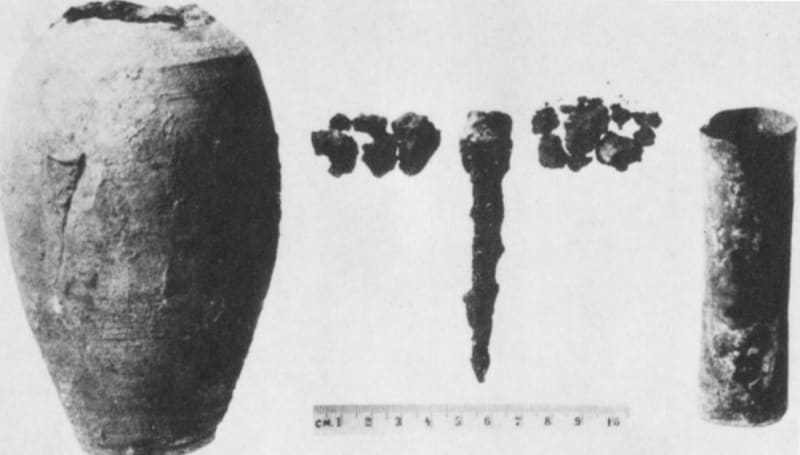
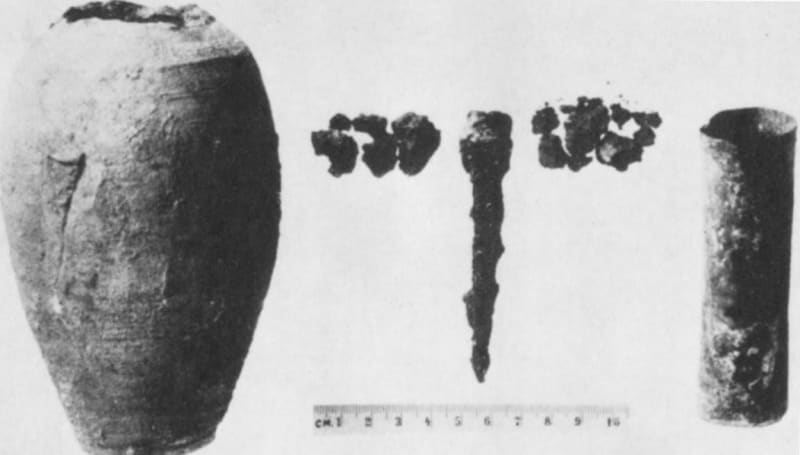
The artifact, originally discovered nearly a century ago, consisted of a clay jar housing a copper vessel with an iron rod at its center. That arrangement could have functioned as a primitive galvanic cell, producing electricity centuries before Alessandro Volta invented the modern battery.
For years, skeptics dismissed the battery theory because they believed such a device would output too little power to be useful. But independent researcher Alexander Bazes recently put that assumption to the test.
His reconstruction showed the clay jar's porous exterior acted as a separator between an electrolyte like lye and air, connecting with the copper vessel to create an outer cell. The iron rod inside formed an inner cell, creating an electrical series capable of producing 1.4 volts, matching a modern AA battery.
The big question remains: what would ancient people use a battery for? Bazes suggests it may have served a spiritual purpose, allowing people to "ritually corrode" prayers written on paper. Watching the corrosion happen would have provided visual proof that energy had passed through their prayer.
Not everyone agrees it was a battery at all. University of Pennsylvania archaeologist William Hafford argues the jar was simply a sacred vessel for storing prayers. Similar clay jars with multiple copper vessels have been found nearby, he notes, and those couldn't possibly function as batteries.
According to Hafford, the iron rods were just nails used in magical rituals. People would drop prayers through the jar's neck, seal it with bitumen, and bury it as an offering to underground deities.
The original artifact was lost during the 2003 US invasion of Iraq, making it impossible to test directly. Researchers now rely on historical records and reconstructions to piece together the mystery.
Why This Inspires
Whether battery or prayer vessel, this artifact reminds us that ancient civilizations possessed remarkable knowledge and creativity. The fact that we're still debating its purpose nearly a century after its discovery shows how much we have yet to learn from the past. Each new theory brings us closer to understanding the ingenuity of people who lived millennia ago.
The Baghdad battery proves that innovation has no timeline, and human curiosity spans all ages.
More Images
Based on reporting by Futurism
This story was written by BrightWire based on verified news reports.
Spread the positivity!
Share this good news with someone who needs it