Ancient Iraqi Jar May Have Powered 1.4 Volts Like AA Battery
A 2,000-year-old clay jar discovered in Iraq decades ago might have functioned as a battery centuries before modern electricity. New research suggests this "Baghdad battery" could have generated the same voltage as today's AA batteries.
A mysterious clay jar unearthed in Iraq nearly a century ago is challenging what we thought we knew about ancient technology and sparking fascinating debates about human ingenuity.
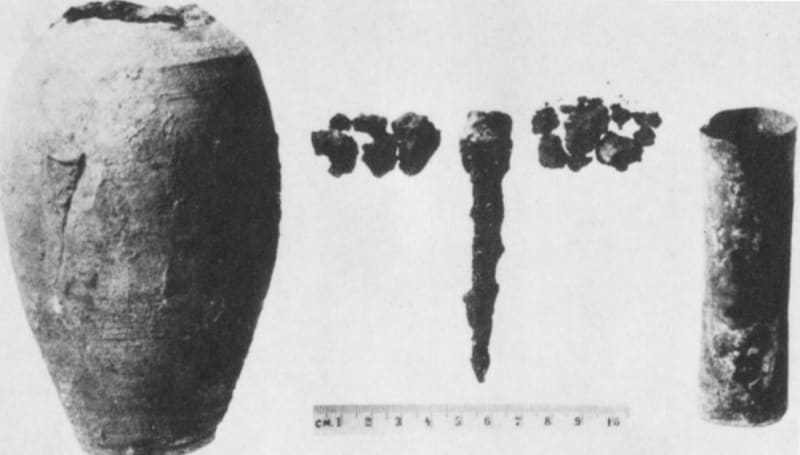
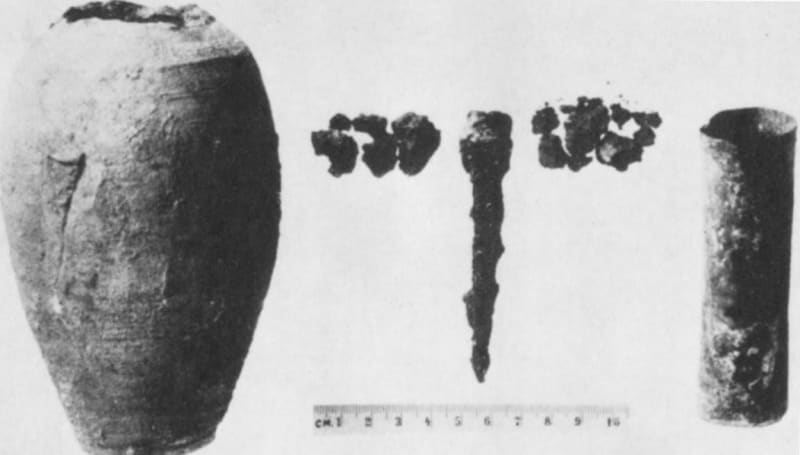
The so-called "Baghdad battery" has puzzled archaeologists since its discovery. The artifact appears to have been a clay jar containing a copper vessel with an iron rod at its center, an arrangement that could have functioned as a primitive battery long before Alessandro Volta invented the modern version.
Now independent researcher Alexander Bazes has reconstructed the lost artifact using historical records, and his findings suggest something remarkable. His experiments show the jar's porous exterior may have acted as a separator between an electrolyte and air, connecting with the copper vessel to create an outer cell while the iron rod formed an inner cell.
The result? A potential output of 1.4 volts, matching the power of a modern AA battery. That's far more than skeptics believed possible from such an ancient device.
Bazes theorizes the jar wasn't used for electroplating jewelry as some have suggested. Instead, he proposes it may have helped "ritually corrode" written prayers, with the visible corrosion serving as proof that spiritual energy had touched the sacred words.
Not everyone agrees with the battery theory. University of Pennsylvania archaeologist William Hafford offers an alternative explanation rooted in spiritual practices of the time. He suggests the jar was simply a sacred vessel for storing prayers, noting that similar magical items have been found buried nearby.
According to Hafford, people would drop prayers through the jar's neck, seal it with bitumen, and bury it as an offering to underground deities. The iron "electrodes" were actually just ceremonial nails used in these rituals.
Why This Inspires
Whether battery or burial jar, this artifact reminds us that ancient civilizations were far more sophisticated than we often credit them for. The debate itself represents the best of scientific inquiry, with researchers carefully examining evidence and challenging assumptions to uncover truth.
The original artifact was lost during the 2003 invasion of Iraq, making this detective work even more crucial. Through careful reconstruction and creative experimentation, scientists are keeping this piece of human history alive and continuing to learn from cultures that thrived millennia ago.
We may never know the jar's true purpose with absolute certainty, but the conversation pushes us to stay curious about our shared past and respectful of ancient ingenuity.
More Images
Based on reporting by Google: ancient artifact found
This story was written by BrightWire based on verified news reports.
Spread the positivity!
Share this good news with someone who needs it