Ancient Japanese Stone Industry Reinvents Itself as Heritage
After 700 years of quarrying granite, Japan's Mount Tsukuba region is transforming its struggling stone industry into a cultural heritage experience. Creative tours and playful products are helping locals rediscover pride in the granite that built Tokyo Station.
The granite that built Tokyo Station and iconic bridges across Japan's capital is getting a second life, and it's bringing hope to a centuries-old industry facing extinction.
Around Mount Tsukuba in Ibaraki Prefecture, stone producers have watched their numbers drop to just a quarter of what they were in 1992. Foreign imports and declining demand for tombstones pushed the historic industry toward collapse.
Then came international recognition that changed everything. In 2024, the region's Tsukuba massif granite earned certification as one of the world's first 55 Heritage Stones by the International Union of Geological Sciences. The designation honors natural stones that shaped human culture through significant architecture and monuments.
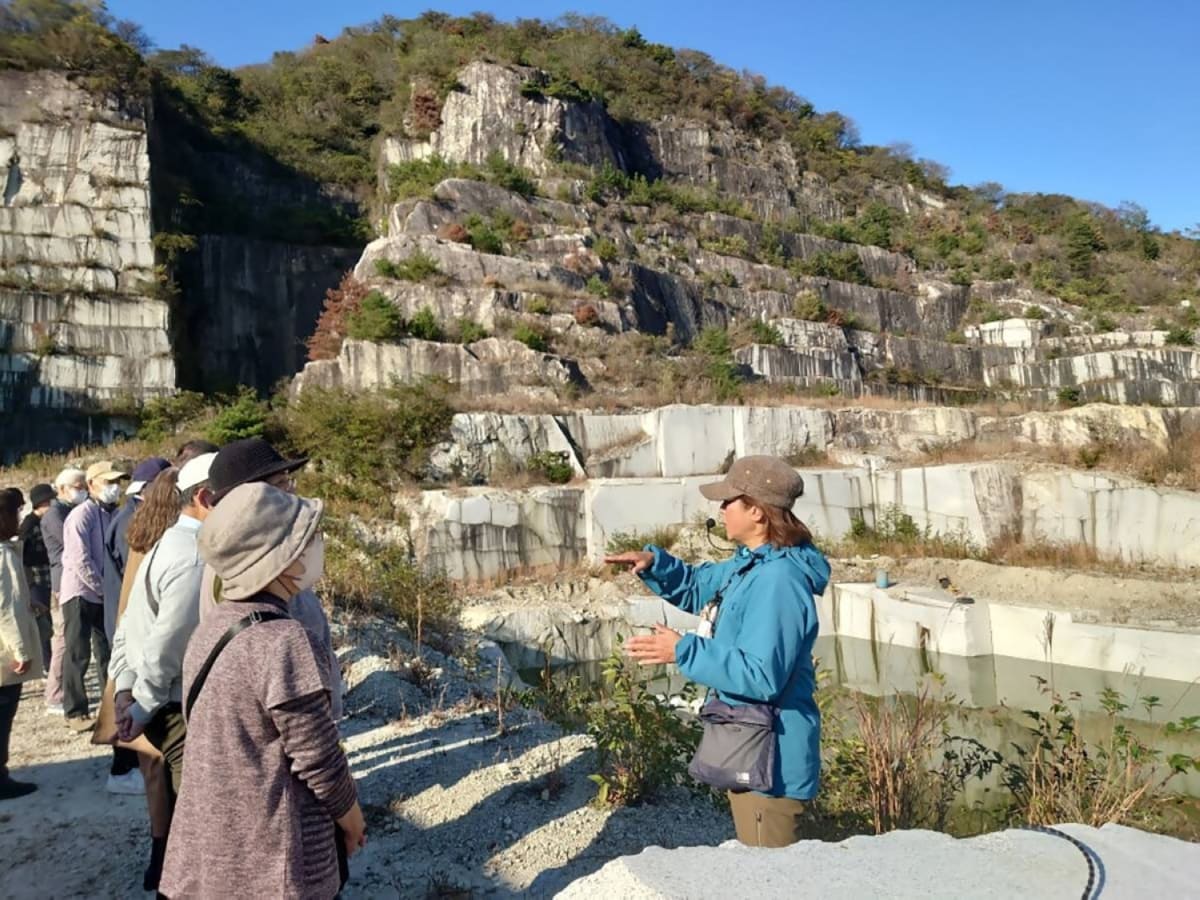
Local leaders saw opportunity in that recognition. The Mt. Tsukuba Area Geopark Promotion Council launched creative bus tours last fall to help residents fall back in love with their stone heritage.
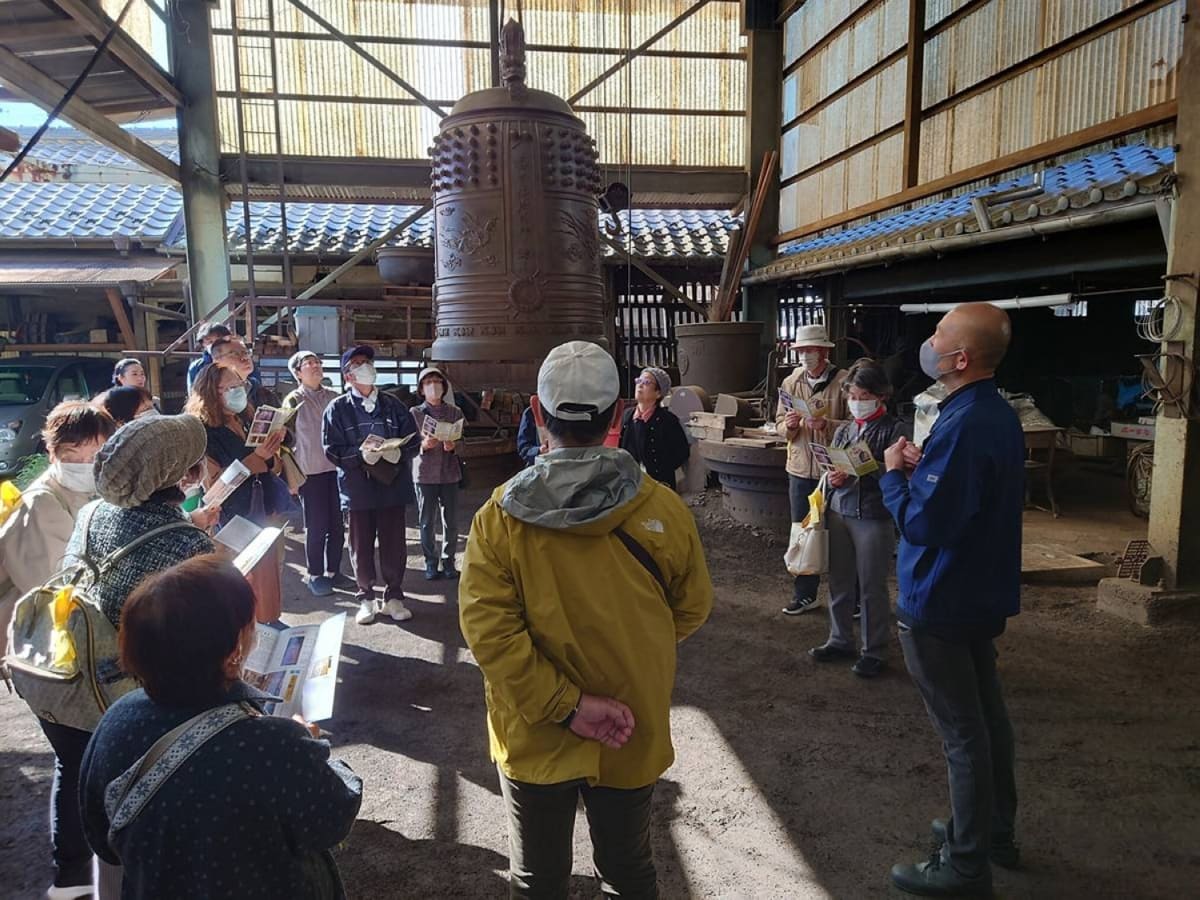
The first tour in November brought locals to a casting factory using clay from weathered granite, a sake brewery drawing mineral-rich groundwater filtered through granite, and active quarries nicknamed the Stone-Cutting Mountain Range. Geologist Kaoru Sugihara designed the experience around the geopark's theme: "stone, soil and water connecting nature and people."
The second tour took participants to Tokyo, where they discovered their hometown granite in Tokyo Station's grand Marunouchi building, the restored Nihonbashi bridge, and other landmarks. The day ended with panoramic views from Tokyo Skytree, letting locals see the reach of their regional legacy.
Participants loved the behind-the-scenes access to places typically closed to individual visitors. Factory owners and brewery specialists provided details no tour guide could match.
The Ripple Effect
The stone revival extends beyond tourism. Local suppliers now collaborate with the council on creative products like Gura Gura-Nite, a granite puzzle toy that doubles as art and paperweights. The playful stones serve multiple purposes: they transform 70% waste material into something desirable, train new foreign factory workers in a low-stakes environment, and put local granite into homes as conversation pieces.
The innovation addresses real industry challenges. With more foreign workers entering factories, simple projects using scrap stone offer perfect training grounds where mistakes become learning opportunities rather than costly errors.
Sugihara hopes these collaborations spark further cross-industry partnerships. Early satisfaction surveys show the strategy is working, with participants praising both the educational depth and the inclusion of local cuisine like Japanese yam specialties.
More tours are planned for this year as the region carves a sustainable future from its seven-century-old past.
More Images

Based on reporting by Japan Times
This story was written by BrightWire based on verified news reports.
Spread the positivity!
Share this good news with someone who needs it