Ancient Maya City Found Under Guatemala's Lake Atitlán
Archaeologists working alongside Guatemala's Tz'utujil Maya community have confirmed an ancient settlement beneath Lake Atitlán, creating a new model where Indigenous knowledge and science work as equal partners. This discovery rewrites both what lies beneath the water and how archaeology itself should be practiced.
Deep beneath one of Guatemala's most stunning lakes, an ancient Maya city has been waiting centuries to tell its story—and now, it's finally being heard on its own people's terms.
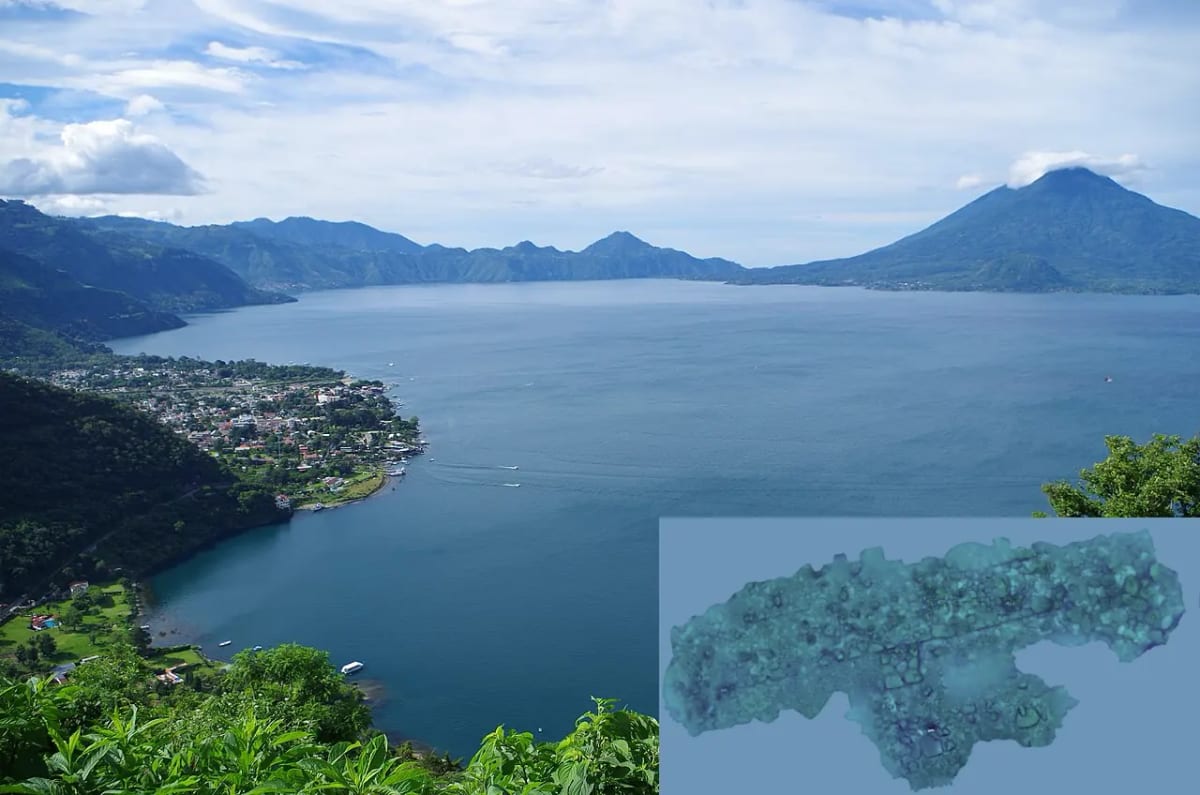
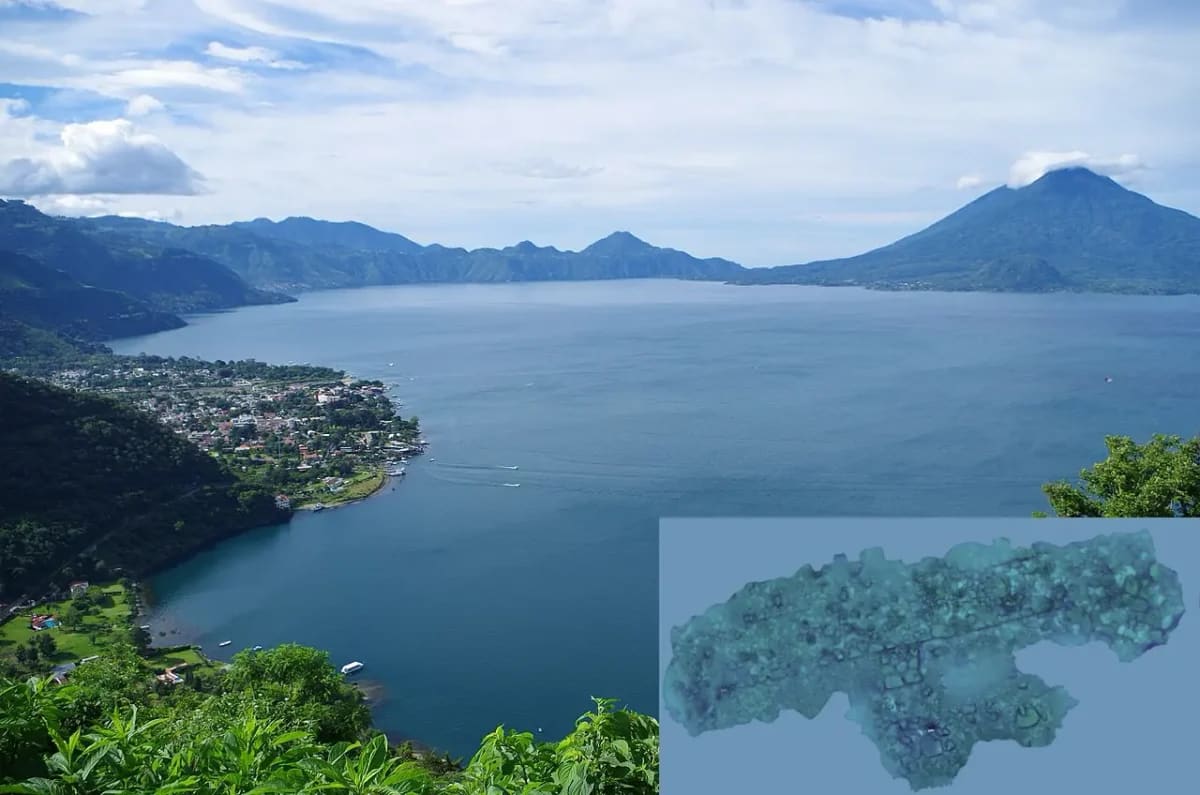
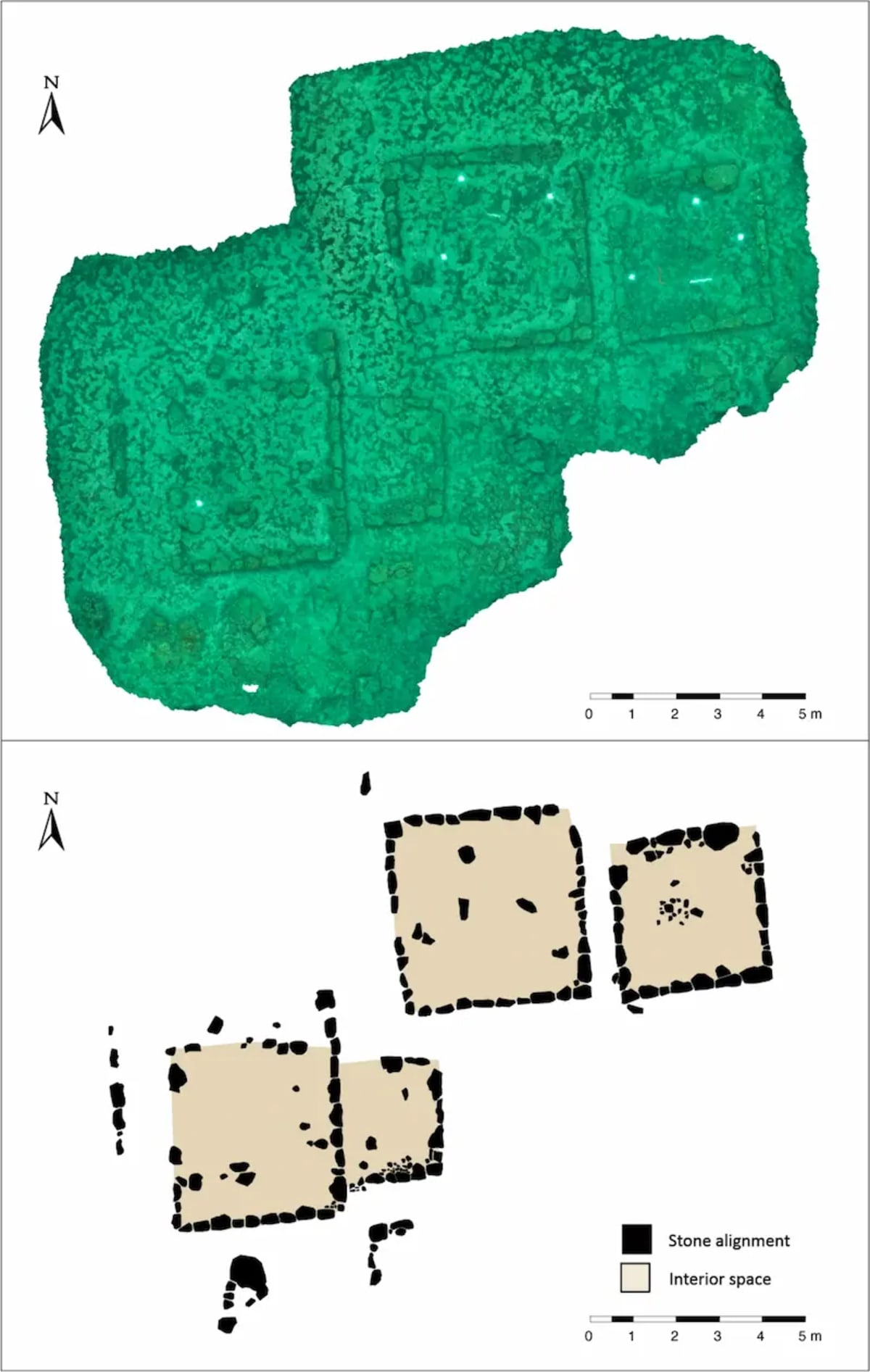
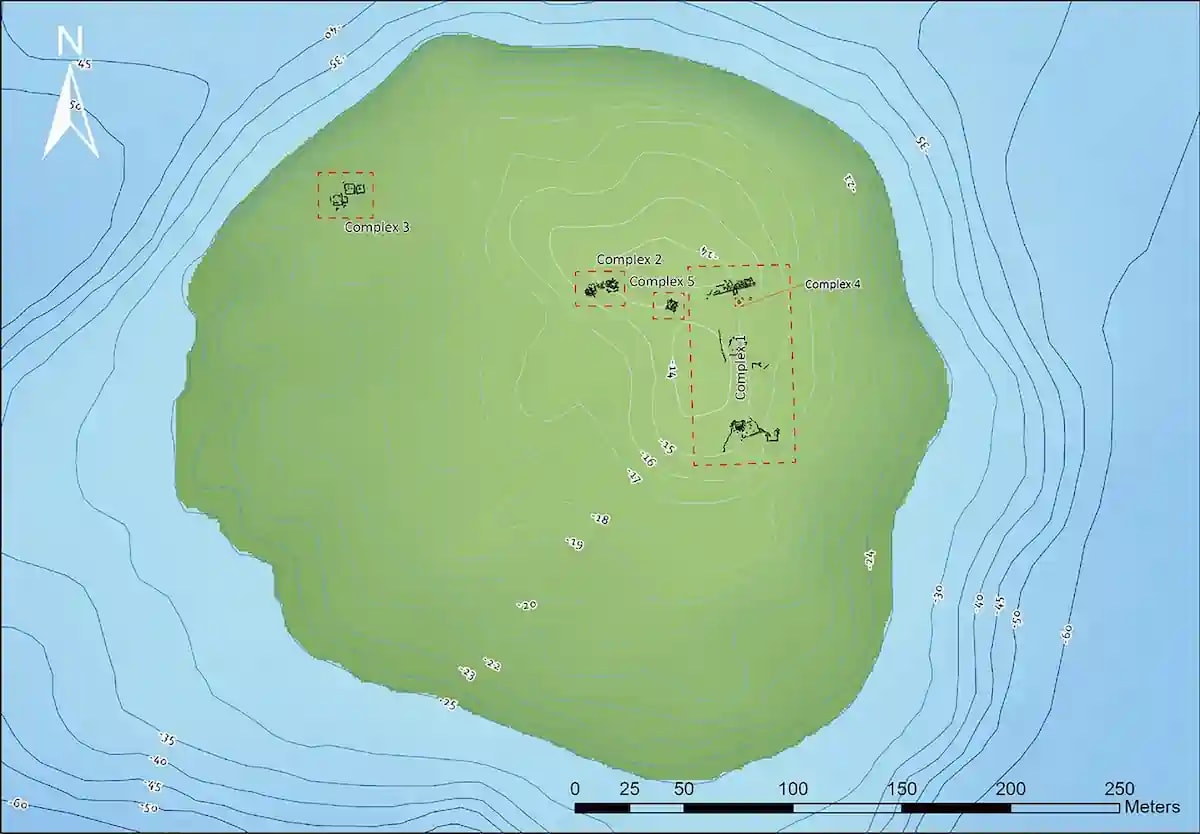
An international team of archaeologists partnered with the Tz'utujil Maya community in 2022 to precisely map a Preclassic settlement submerged under Lake Atitlán. The collaboration, published in the Journal of Maritime Archaeology, documented twelve architectural complexes resting on the lake floor, including residential groups and a carved basalt monument.
But the real breakthrough wasn't just what they found. It was how they found it.
For decades, underwater explorations at the site had been plagued by scattered information, imprecise locations, and growing distrust between scientists, government officials, and the Maya community whose ancestors built these structures. Previous expeditions dating back to the 1960s had recovered ceramic incense burners and mapped structures, but the work happened without meaningful Indigenous participation.
In 2019, the Tz'utujil community's ancestral authority requested a different approach. They wanted science that respected their worldview and their right to understand their own heritage.
The team created a transparency commission of community members who participated in every decision. They trained a local diver, Xelani Luz, in underwater archaeological techniques so she could dive alongside scientists. Results were shared using 3D photogrammetric models that made the submerged city visible to all generations.
Mexican archaeologist Helena Barba-Meinecke coordinated specialists from Belgium, Spain, Argentina, and Guatemala. Together with the community, they co-designed the entire research plan, including how to locate the site, conduct bathymetric surveys, and return findings in accessible formats.
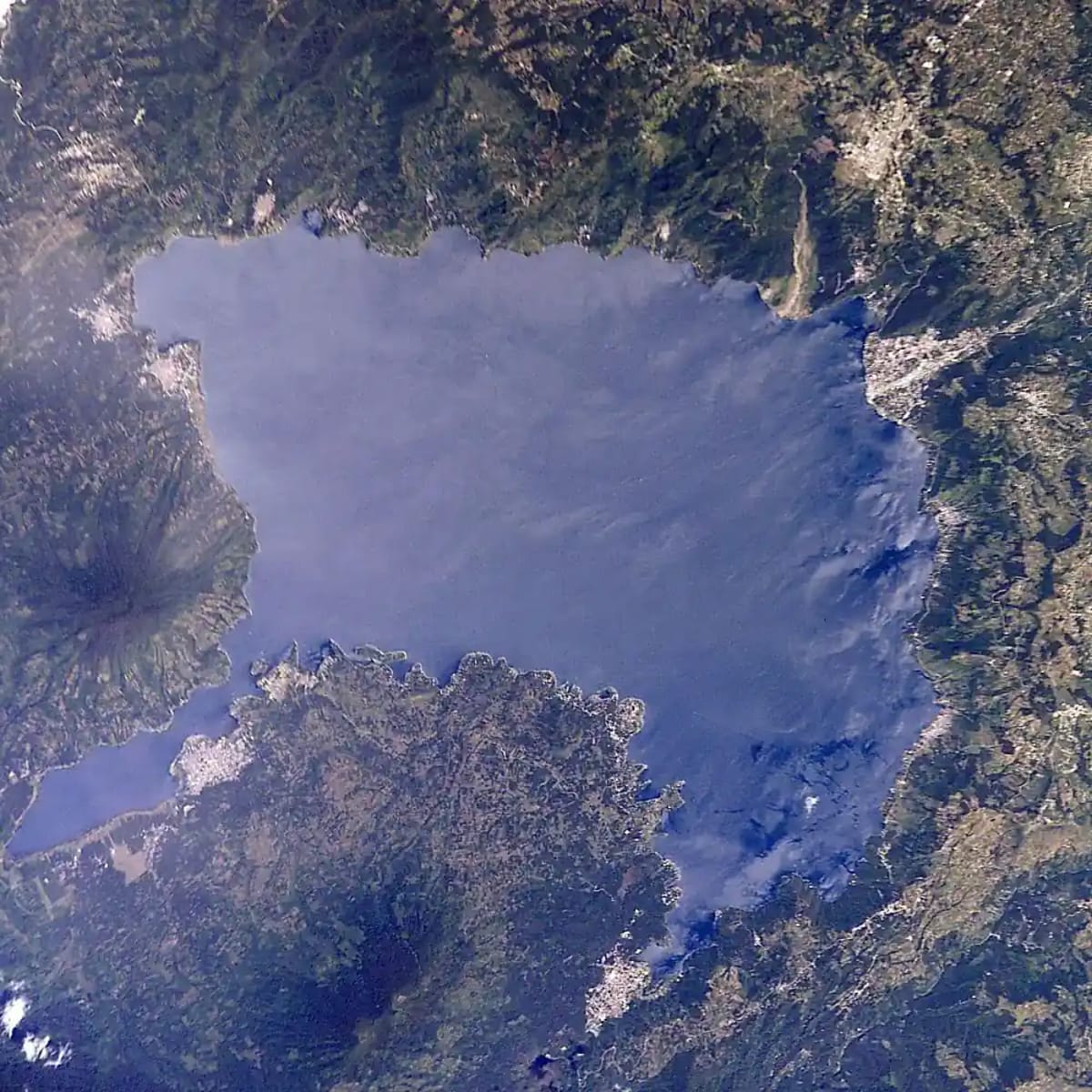
Lake Atitlán itself presented unique challenges. Formed by volcanic activity, the 137-square-kilometer lake has no surface outlet and experiences dramatic water level changes. A 1976 earthquake dropped the level two meters in just one month, revealing glimpses of what lay beneath.
The 2022 mission had only six diving days to work in high-altitude conditions where decompression risk runs higher. Using multibeam sonar and precise georeferencing, they successfully located and documented the ancient settlement that had been occupied since at least 600 BC.
The Ripple Effect
This project is reshaping how archaeological work happens worldwide. By treating Indigenous knowledge as equal to scientific methodology, the team proved that better science emerges when communities guide research about their own heritage. The model they created—with transparency commissions, trained local divers, and accessible technology—offers a blueprint for collaborative archaeology everywhere.
The Tz'utujil people today are direct descendants of the populations who built these underwater structures. Now they're not just subjects of study but partners in understanding their past.
Beneath Guatemala's waters, an ancient city is teaching us how to bridge thousands of years and build respect that lasts.
More Images
Based on reporting by Google: archaeological discovery
This story was written by BrightWire based on verified news reports.
Spread the positivity!
Share this good news with someone who needs it