%2Fhttps%3A%2F%2Ftf-cmsv2-smithsonianmag-media.s3.amazonaws.com%2Ffiler_public%2Fc6%2F3b%2Fc63b7f59-57aa-4294-953b-ec5f68e5cb54%2Fcouncil-house.jpg)
Ancient Maya Shifted to Shared Power, New Hall Shows
When crisis struck the Maya civilization 1,200 years ago, leaders didn't cling to absolute power. They built council houses and invited everyday people into decisions that shaped their future.
A colonnaded hall discovered in Guatemala is rewriting what we know about how ancient societies respond to collapse. Instead of doubling down on authoritarian rule, the Maya chose something radical: sharing power with their people.
Around 810 CE, the Maya city of Ucanal entered a period of massive change. The old system of divine kingship was crumbling. A new leader named Papmalil took charge and did something unexpected: he built a public meeting hall right in the city plaza.
Archaeologist Christina Halperin from the University of Montreal says this wasn't just any building. It was likely an early council house where kings met with community leaders to make decisions together, discuss conflicts, plan ceremonies, and debate the future. The open design invited passersby to listen and participate.
"Maya kings continued to serve as the heads of state, but their power was counterbalanced by other leaders," Halperin explains. This was democracy taking root over a thousand years ago.
The timing matters. This shift happened during what historians call the Terminal Classic period, when many assume Maya civilization "collapsed." But that's not what the evidence shows. The Maya didn't disappear or fail. They adapted.
Other excavations at Ucanal reveal public works projects from this era designed to benefit everyone, not just elites. The new hall sat in an open plaza where anyone could witness governance in action. Leaders were literally making their work more transparent.
Papmalil may have even burned artifacts from the previous royal dynasty to signal a clean break. It was a statement: the old way of ruling is over, and we're starting fresh.
Why This Inspires
This discovery challenges our assumptions about ancient societies and modern ones too. When the Maya faced upheaval, they didn't retreat into autocracy. They opened the doors wider.
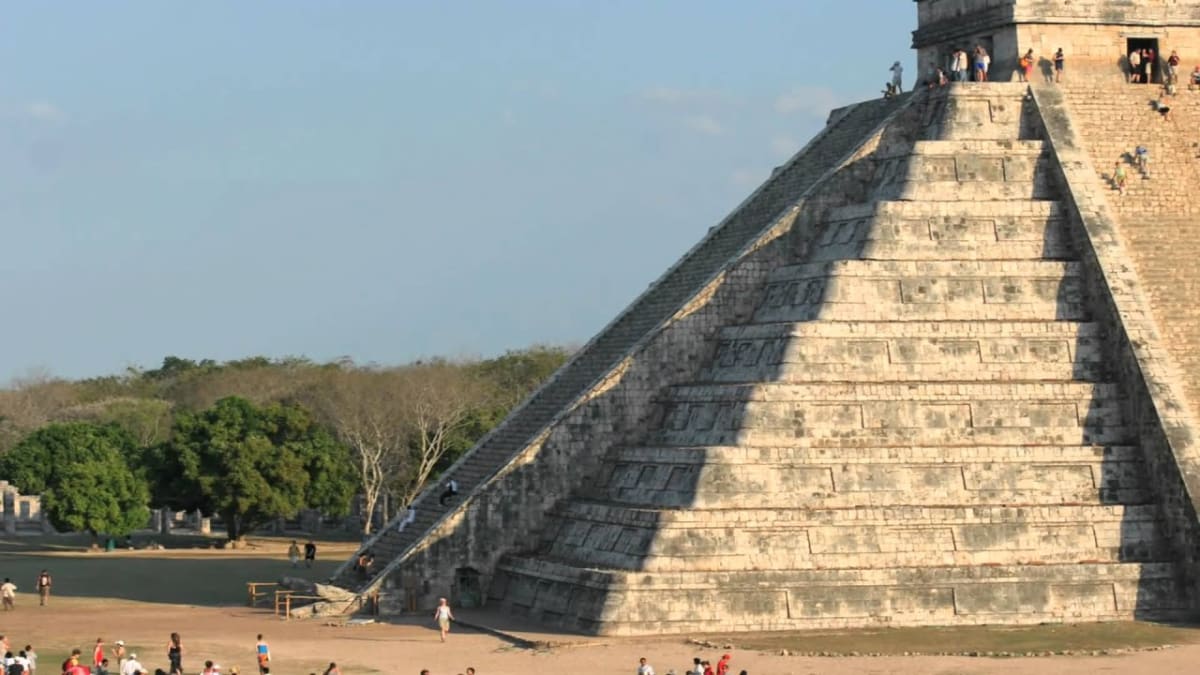
The council house model spread across Maya cities in the following centuries. Chichén Itzá and other major centers adopted shared governance, with advisory councils balancing royal power. Decision making became a collective act rather than the decree of one person.
What strikes researchers most is the intentionality. These weren't accidental changes. Maya leaders deliberately redesigned their political systems to give more people a voice. They built the physical spaces for collaboration and invited participation.
Halperin notes that ancient Maya societies "reworked their institutions and political arrangements" during crisis. One of those reinventions was explicitly designed "to counter the weight of paramount kings."
The open hall at Ucanal stands as architectural proof that power sharing isn't just a modern idea. Over a millennium ago, people facing uncertainty chose to face it together, building spaces where every voice could be heard and every perspective considered.
More Images
%2Fhttps%3A%2F%2Ftf-cmsv2-smithsonianmag-media.s3.amazonaws.com%2Ffiler_public%2Fc6%2F3b%2Fc63b7f59-57aa-4294-953b-ec5f68e5cb54%2Fcouncil-house.jpg)
%3Afocal(750x500%3A751x501)%2Fhttps%3A%2F%2Ftf-cmsv2-smithsonianmag-media.s3.amazonaws.com%2Ffiler_public%2Fc6%2F3b%2Fc63b7f59-57aa-4294-953b-ec5f68e5cb54%2Fcouncil-house.jpg)
%2Fhttps%3A%2F%2Ftf-cmsv2-smithsonianmag-media.s3.amazonaws.com%2Ffiler_public%2F56%2F46%2F5646296c-bb9b-45b4-b60a-bfaace7408c1%2F20260409_council-house-texte1.jpg)
Based on reporting by Smithsonian
This story was written by BrightWire based on verified news reports.
Spread the positivity!
Share this good news with someone who needs it