Ancient Microbes Used Oxygen 2 Billion Years Before We Did
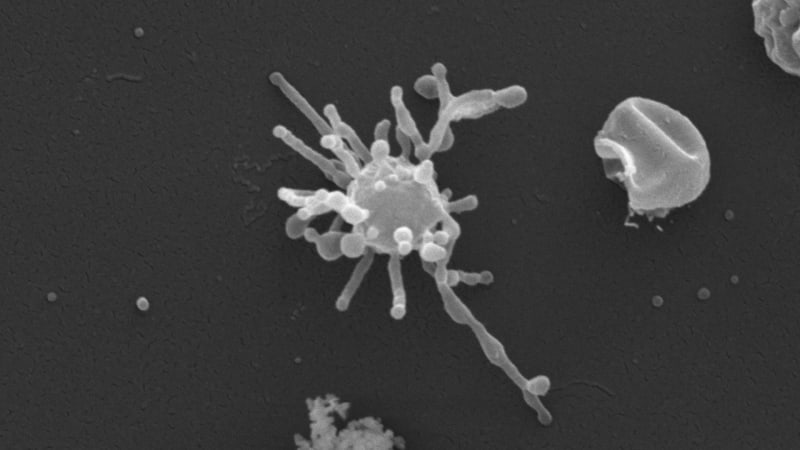
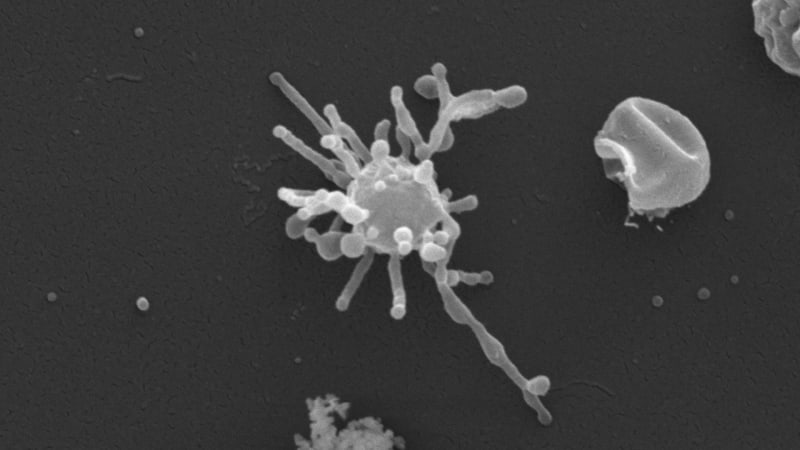
Scientists discovered that ancient microbes called Asgard archaea could breathe oxygen over 2 billion years ago, long before Earth's atmosphere had much of it. This finding helps solve the mystery of how simple life evolved into complex organisms like plants, animals, and humans.
Scientists just solved a major piece of the puzzle explaining how you, your dog, and every tree outside came to exist.
Researchers at the University of Texas found that ancient microbes called Asgard archaea had the ability to use oxygen more than 2 billion years ago. That's remarkable because Earth's atmosphere barely had any oxygen back then.
Here's why this matters. Every complex living thing, from redwoods to humans, exists because of an ancient partnership between two simple organisms. A microbe merged with a bacterium billions of years ago, and over time, this fusion evolved into complex cells with nuclei and specialized parts.
But scientists have been scratching their heads over one problem. The bacterium in this partnership needed oxygen to survive, while the microbe host seemed built for life without oxygen. How could they team up if they needed completely different environments?
The new study, published in the journal Nature, provides the answer. The research team dove deep into ocean sediments, analyzing a massive 15 terabytes of environmental DNA from two sites: the shallow Bohai Sea and the deep Guaymas Basin. They reconstructed over 13,000 microbial genomes and found hundreds belonging to Asgard archaea.
The results were stunning. These ancient microbes carried genes for aerobic respiration, the oxygen-powered process that lets organisms extract extra energy from food. The Asgards living in oxygen-rich environments, like shallow coastal waters, had even more of these oxygen-handling pathways.
"Most Asgards alive today have been found in environments without oxygen," said Brett Baker, the study's co-author. "But it turns out that the ones most closely related to eukaryotes live in places with oxygen and they have a lot of metabolic pathways that use it."
The team used AI technology called AlphaFold2 to predict protein shapes, strengthening their evidence. They discovered that Asgard archaea weren't just tolerating oxygen, they were potentially using it to power themselves.
Why This Inspires
This discovery rewrites our origin story in the most hopeful way. Life didn't just stumble into complexity by accident. These ancient microbes were already equipped with the tools they needed to partner up and create something extraordinary.
The finding shows that nature was preparing for complex life long before the conditions seemed right. Asgard archaea were like pioneers carrying seeds to a new land, ready and waiting for the right moment to transform Earth forever.
Understanding how simple organisms became complex reveals something profound about possibility. Even in harsh, oxygen-poor environments, life was quietly developing capabilities that would one day allow forests to grow, oceans to teem with fish, and humans to wonder about their origins.
This breakthrough opens new doors for understanding not just our past, but potentially life on other planets too.
More Images



Based on reporting by Live Science
This story was written by BrightWire based on verified news reports.
Spread the positivity!
Share this good news with someone who needs it