Ancient Moroccan Fossils Illuminate Our Fascinating Human Story
Scientists have made an exciting discovery in Morocco—773,000-year-old fossils that bring us remarkably close to understanding when our ancestors diverged from Neanderthals and Denisovans. These precious fragments are helping researchers piece together one of the most captivating chapters in human evolutionary history.
In a remarkable breakthrough that's helping us better understand our place in the grand story of human evolution, researchers have uncovered ancient fossils in Morocco that offer an unprecedented window into our distant past. These 773,000-year-old remains represent one of our closest connections yet to the pivotal moment when our ancestors began their unique evolutionary journey.
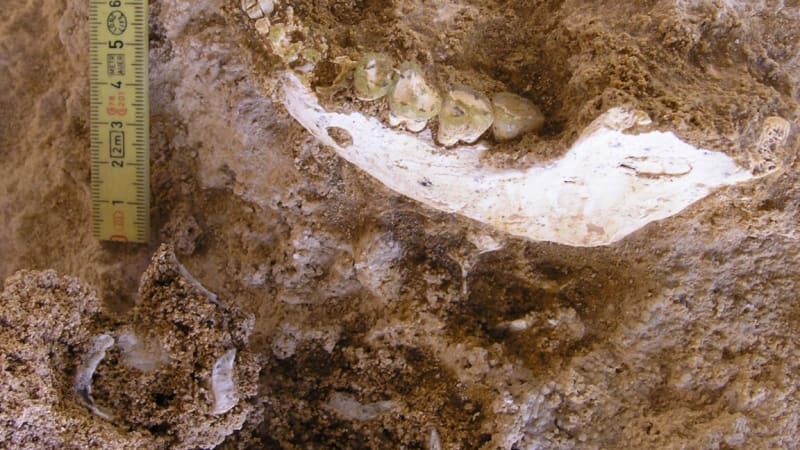
The fossils were discovered in Grotte à Hominidés, a cave near Casablanca that has proven to be a treasure trove of ancient human history. The collection includes jawbones, teeth, and vertebrae that belonged to individuals living remarkably close to the time when our lineage split from the ancestors of Neanderthals and Denisovans—our closest evolutionary cousins.
What makes this discovery particularly thrilling is its timing. These hominins lived right around a crucial branching point in our family tree, somewhere between 765,000 and 550,000 years ago. It's like finding a missing piece of a puzzle that helps complete a picture we've been working on for generations.
Using cutting-edge micro-CT imaging technology, anthropologist Jean-Jacques Hublin and his dedicated team at the Max Planck Institute created detailed digital models of the fossils. Through careful analysis and comparison with other ancient remains, they've determined that these individuals represent a late version of Homo erectus, already showing early signs of evolving toward modern humans.
The findings paint a fascinating picture of our evolutionary journey. About 1.8 million years ago, Homo erectus emerged in Africa and spread across much of the world. Around a million years ago, these populations began evolving along different paths, eventually giving rise to diverse human species including ourselves, Neanderthals, and Denisovans.
What's particularly exciting is how these Moroccan fossils complement other discoveries, such as remains from Spain belonging to Homo antecessor. Together, they suggest a beautiful parallel evolution—with Spanish populations eventually leading to Neanderthals while North African groups evolved toward modern humans.
The fossils show an intriguing mix of older features from Homo erectus and newer characteristics shared with both Neanderthals and our own species, particularly in the jaw structure where chewing muscles once attached. It's a testament to the gradual, intricate process of evolution and how closely connected we are to our ancient relatives.
Perhaps most heartwarming is the bigger picture this research reveals: despite taking different evolutionary paths, humans, Neanderthals, and Denisovans would eventually reconnect at various times and places, mingling and sharing DNA. These interactions left lasting traces in our genomes that we carry to this day—a reminder that connection and exchange have always been part of the human story.
This discovery represents more than just ancient bones; it's a celebration of human curiosity and our endless quest to understand where we came from. Thanks to the dedication of researchers and advances in technology, we're continually adding chapters to our collective story, connecting with ancestors who lived hundreds of thousands of years ago and illuminating the incredible journey that made us who we are today.
More Images


Based on reporting by Ars Technica Science
This story was written by BrightWire based on verified news reports.
Spread the positivity! 🌟
Share this good news with someone who needs it
More Good News
 🚀 Innovation
Morocco's 773,000-Year-Old Fossils Illuminate Incredible Human Evolution Story
 🚀 Innovation
Berkeley Lab Scientists Use AI to Fill Crucial Gaps in Scientific Images
 🚀 Innovation
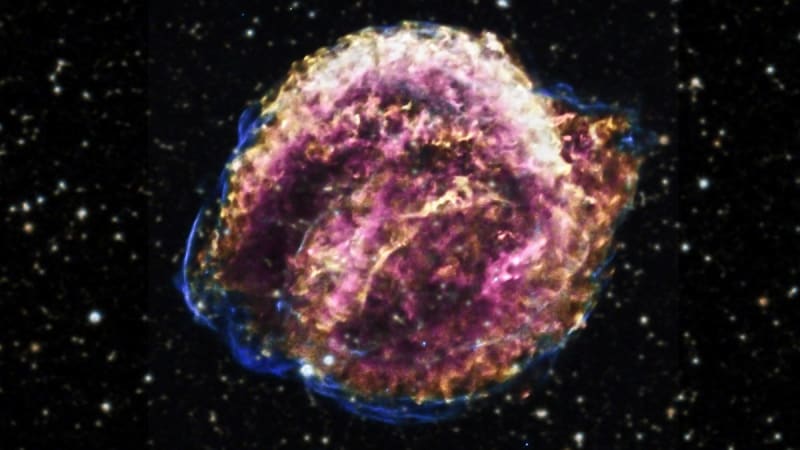
NASA's 25-Year Timelapse Reveals 400-Year-Old Supernova Still Dazzling Scientists
Joke of the Day
Why did the dog apply for a job at the bank?
Explore Categories
Quote of the Day
"The greatest thing you'll ever learn is just to love and be loved in return."
— Moulin Rouge (from the film, popularized by Ewan McGregor)