Ancient Mosaic Reveals Female Arena Fighter From 250 A.D.
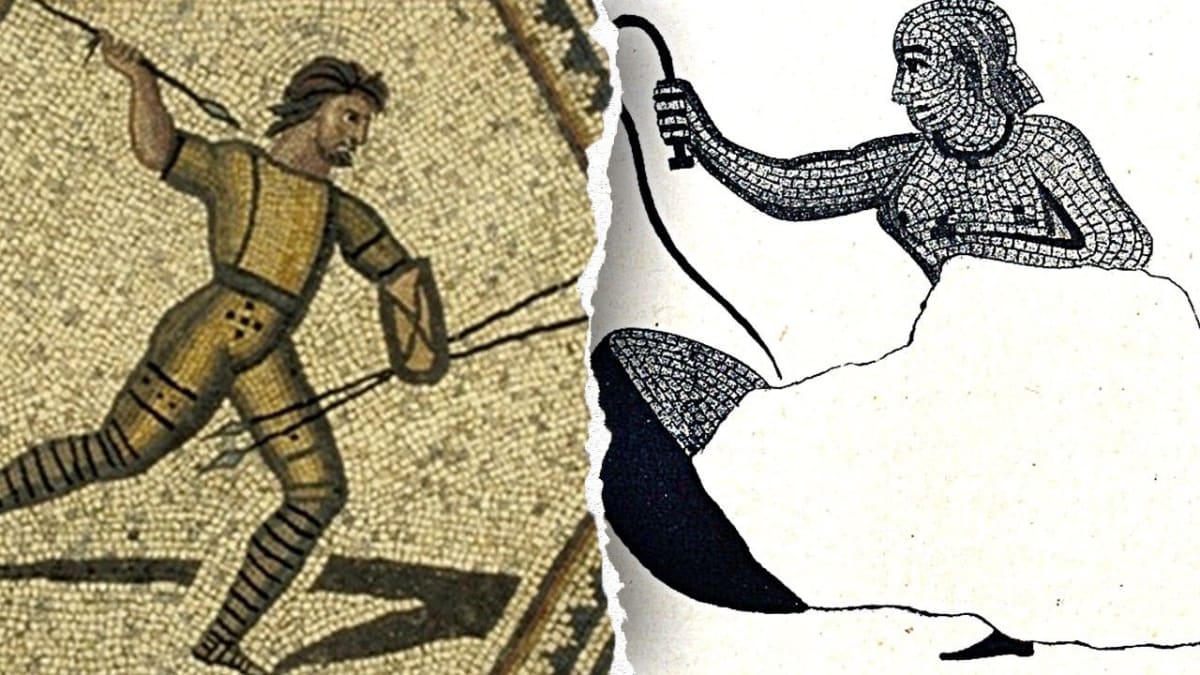
A 1,800-year-old Roman mosaic shows a woman wielding a whip against a leopard, the first known depiction of a female beast-fighter in ancient arenas. The discovery rewrites what we know about women's roles in Roman spectacles and adds 50 years to their documented history as arena performers.
A researcher in Spain just identified something extraordinary hiding in plain sight: an ancient Roman mosaic showing a woman fighting a wild leopard in the arena, the first visual evidence of female beast-fighters ever found.
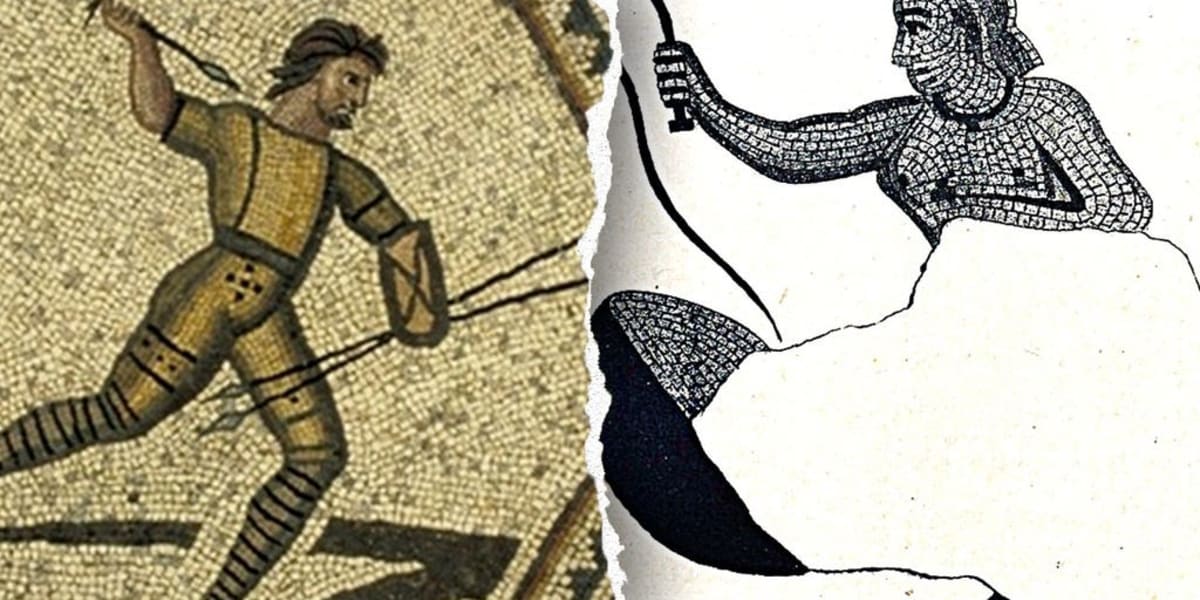
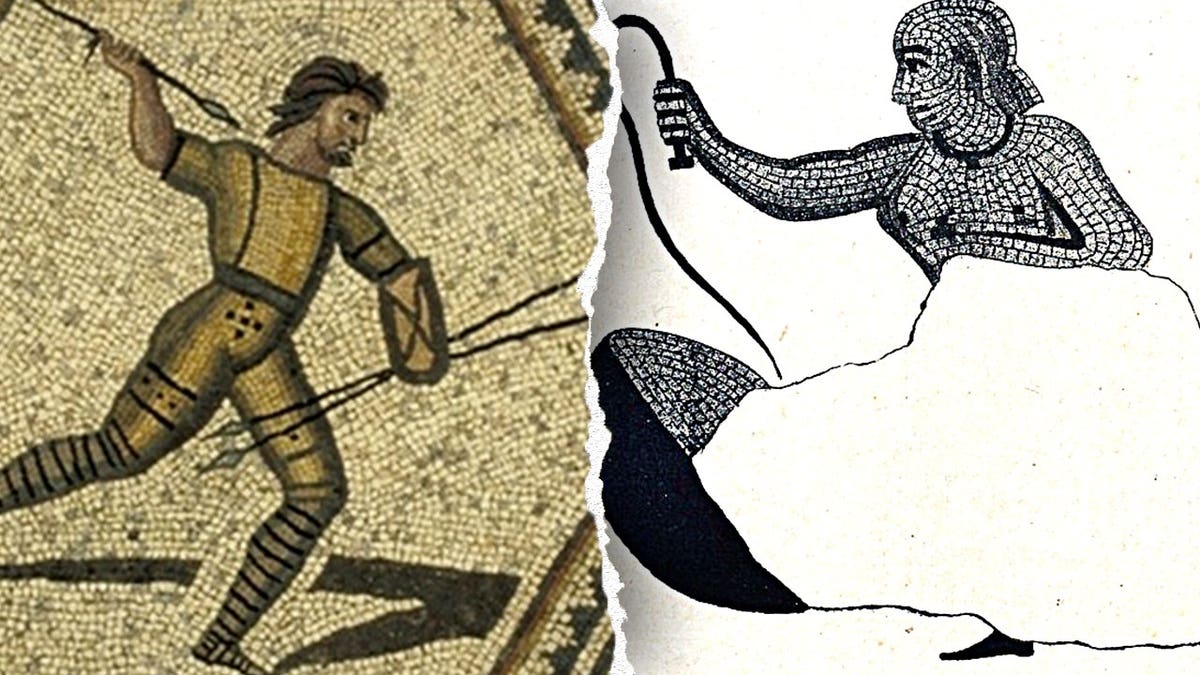
The mosaic dates to around 250 A.D. and shows a topless woman wielding a whip as a leopard runs from her. Alfonso Manas, the researcher who studied the damaged artwork, calls it proof that women called venatrix performed as beast-fighters decades longer than historians believed.
The figure's toplessness actually helped identify her as female. "Showing her topless was the typical resource in Roman mosaics to show that a figure was a woman, something hard to determine in context of men due to the lack of fine detail of mosaics," Manas explained.
The discovery reveals fascinating details about women's participation in Roman spectacles. While Emperor Septimius Severus banned women from gladiatorial combat in 200 A.D., this mosaic proves female beast-fighters continued performing for at least another 50 years, possibly longer.
Beast-fighters and gladiators weren't the same thing, though both performed in amphitheaters. "To confuse them is as if we today confuse a boxer with a bullfighter," Manas noted. Gladiators fought humans and faced social shame, while beast-fighters like this woman were respected as hunters following the tradition of Diana, the goddess of hunting.
The rarity of this find is stunning. Over 1,000 visual depictions of male beast-fighters exist, but this is the only known image of a woman in that role.
Why This Inspires
The mosaic tells us something powerful about ancient attitudes. A wealthy Roman commissioned this artwork specifically to feature a female beast-fighter, showing the admiration spectators felt for these women, similar to how we celebrate female athletes and performers today.
These women weren't just tolerated in the arena. They were popular enough that spectators demanded to see them perform, and successful enough that performing topless became a career strategy to build fame and earn more money.
The discovery changes our understanding of women's agency in ancient Rome. Beyond attending shows as spectators, women carved out respected roles as performers in one of Rome's most celebrated cultural institutions, defying a ban and thriving for generations.
This small mosaic fragment opens a window into forgotten lives of women who chose dangerous, public careers in a male-dominated world and earned lasting admiration for their courage.
More Images


Based on reporting by Fox News Travel
This story was written by BrightWire based on verified news reports.
Spread the positivity!
Share this good news with someone who needs it