Ancient Parrot Feathers Reveal 1,000-Year Trade Network
Scientists discovered that wild parrot feathers found in a Peruvian tomb traveled over 500 kilometers across the Andes Mountains, proving ancient civilizations built sophisticated trade networks a thousand years before modern highways. The birds were transported alive and carefully raised, showing remarkable cooperation between distant cultures.
A thousand years ago, people were carrying live parrots across one of the world's tallest mountain ranges to trade with distant neighbors.
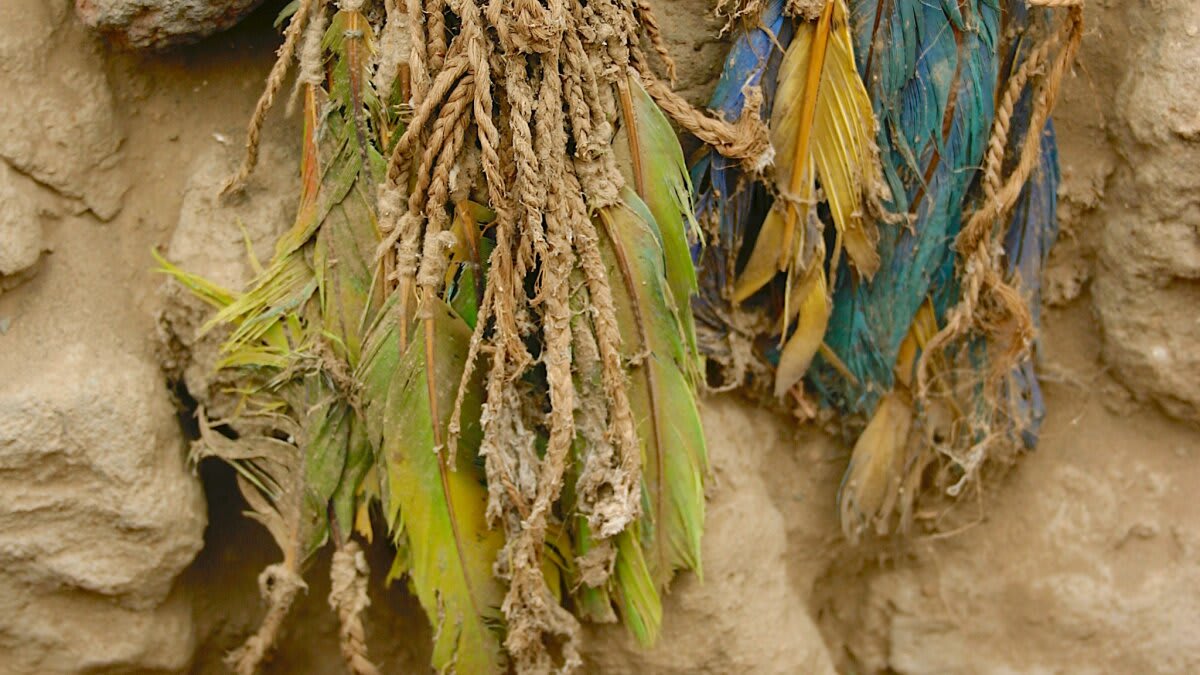
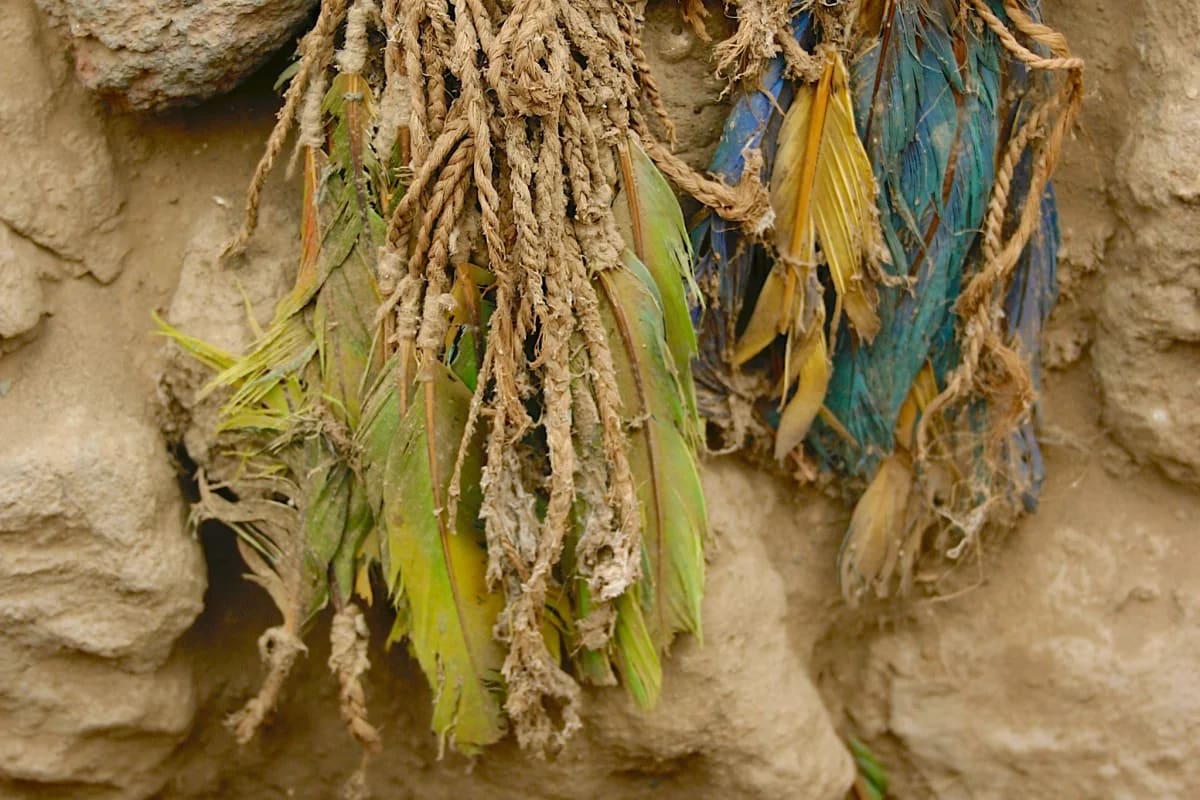
Scientists studying colorful feathers found in ancient Peruvian tombs just proved that civilizations before the Inca Empire built extensive trade networks connecting the Amazon rainforest to the Pacific coast. The discovery shows how interconnected and sophisticated these cultures really were.
The story began when conservation biologist George Olah visited an archaeological site at Pachacamac, a religious center near Peru's coast. He immediately recognized feathers from the same macaw species he'd been studying hundreds of miles away in the Amazon.
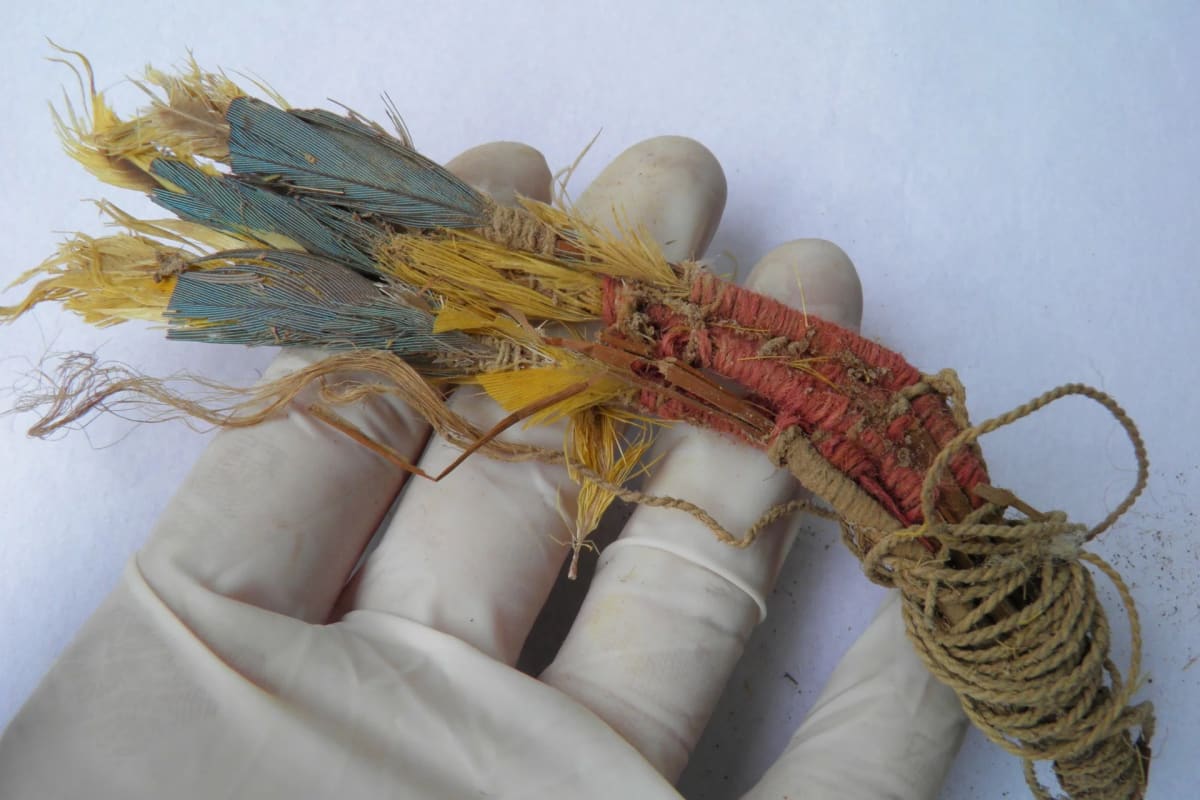
Olah teamed up with archaeologists to investigate how rainforest birds ended up in a desert tomb. Using DNA analysis, they identified feathers from four different species of Amazonian parrots, all showing the genetic diversity of wild populations rather than captive breeding.
But here's where it gets fascinating. The researchers tested the feathers' chemical signatures, which work like a dietary fingerprint. Wild Amazon parrots eat rainforest plants that leave a specific carbon signature, but these feathers showed they'd eaten maize, a coastal crop.
That meant the birds spent at least a year living on the coast before their feathers ended up in the tomb. Since parrots molt annually, the feathers captured a snapshot of their coastal diet.
Transporting live parrots over the Andes would have been extraordinarily difficult. The mountains reach brutal altitudes with freezing temperatures that tropical birds couldn't survive during a direct crossing.
The research team believes traders took a northern route through lower mountain passes. This path connected the Chachapoyas people, known for their bird-capturing skills in the upper Amazon, with the powerful Chimú civilization, and eventually to Pachacamac in the south.
The evidence points to a multi-stage network where different groups specialized in different parts of the journey. The Chachapoyas caught the birds, the Chimú possibly raised them at scale, and coastal traders transported them south along established routes.
Why This Inspires
This discovery reminds us that ancient people were far more connected and capable than we often imagine. They built relationships across enormous geographical barriers, coordinated complex logistics, and valued beauty and culture enough to undertake difficult journeys.
The research also shows the power of unexpected collaborations. A conservation biologist's chance museum visit sparked a groundbreaking archaeological study, proving that crossing disciplinary boundaries leads to amazing discoveries.
These thousand-year-old feathers tell a story of human ingenuity, cooperation across cultures, and the lengths people will go to share something extraordinary with their communities.
More Images

Based on reporting by New Atlas
This story was written by BrightWire based on verified news reports.
Spread the positivity!
Share this good news with someone who needs it