Ancient Peru Farmers Used Bird Poop to Feed Thousands
Scientists just confirmed that a thriving South American civilization was fertilizing their corn crops with nutrient-rich seabird droppings by 1250, centuries before the Inca Empire rose to power. This simple but brilliant farming technique may explain how coastal communities grew wealthy enough to trade with neighbors and support growing populations.
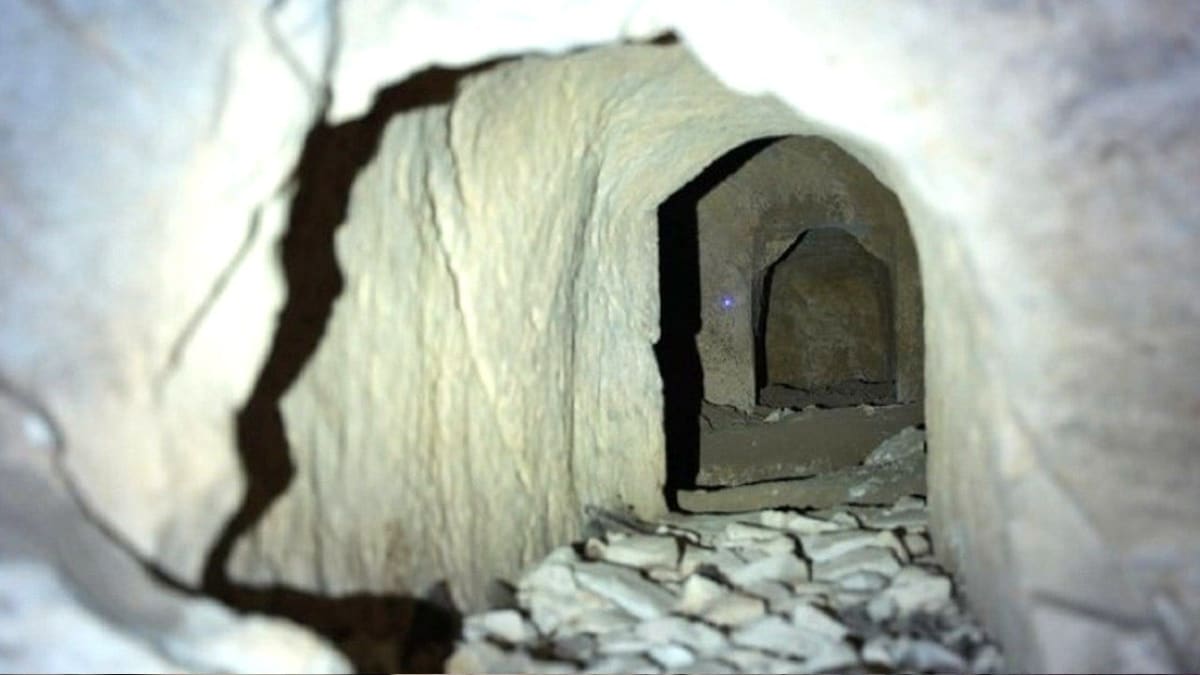
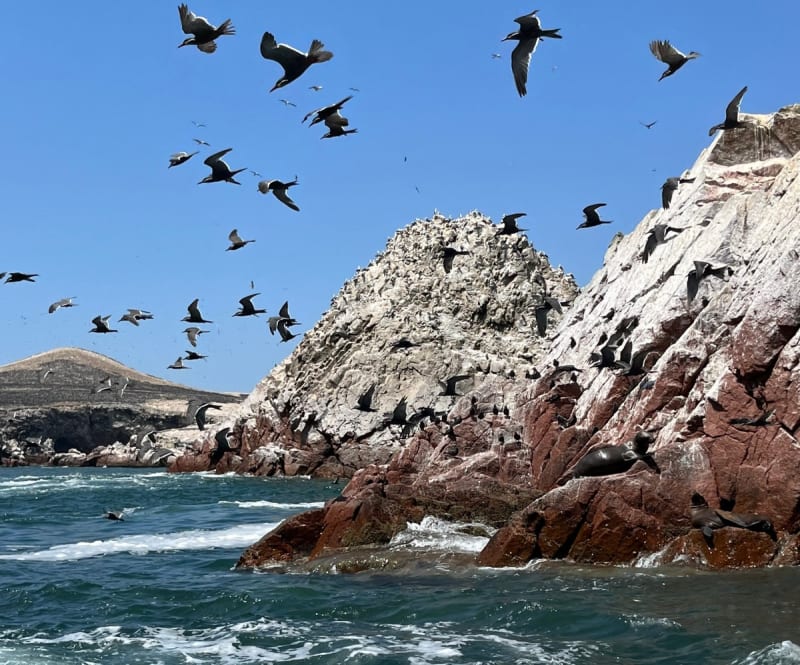
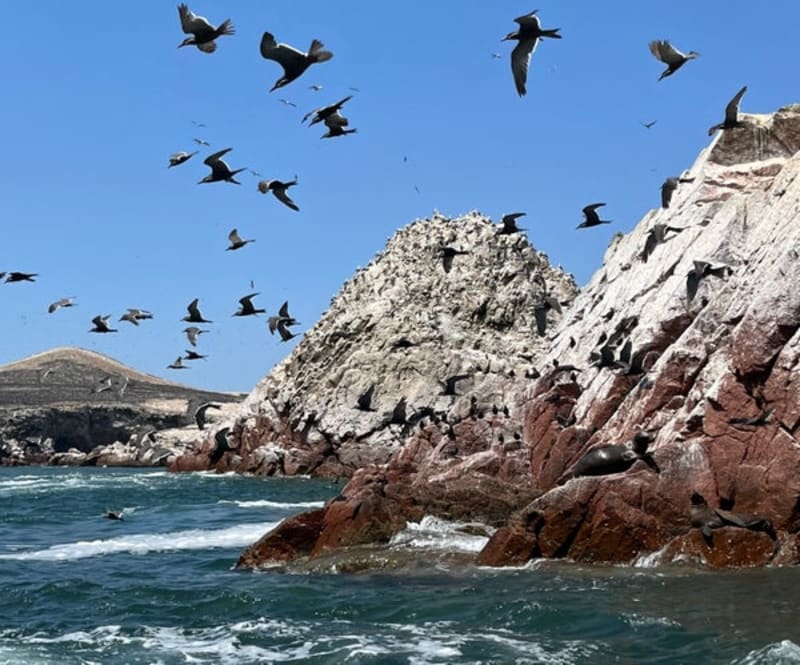
Long before modern fertilizers transformed agriculture, farmers in Peru's Chincha Valley discovered a secret ingredient that changed everything: mountains of seabird poop from islands just 13 miles offshore.
New research published in PLOS One confirms these ancient farmers were applying guano to their maize crops as early as 1250. The discovery helps solve a long-standing mystery about how this coastal kingdom became so prosperous.
"The origins of fertilization are important because soil management allowing large-scale crop production would have been key to allowing population growth," explains study co-author Emily Milton, an environmental archaeologist at the Smithsonian Institution. Without the ability to feed more people, these communities couldn't have grown into the trading powerhouses archaeologists know they became.
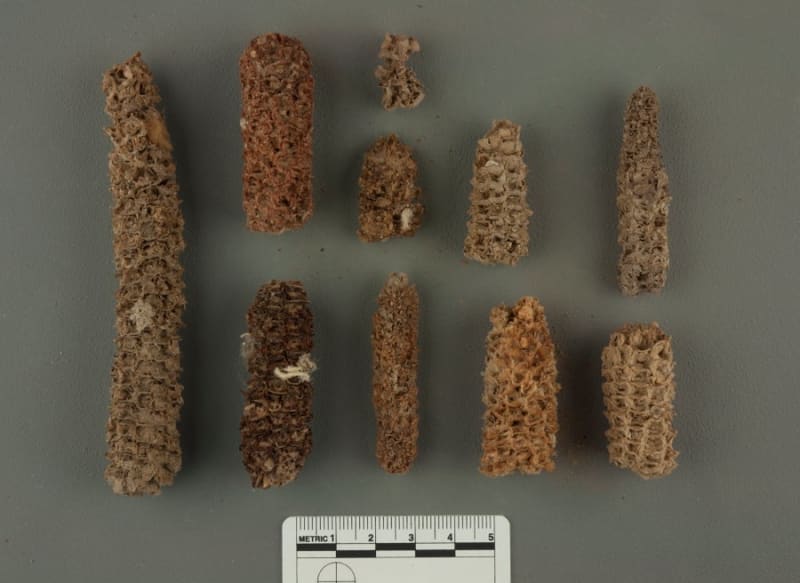
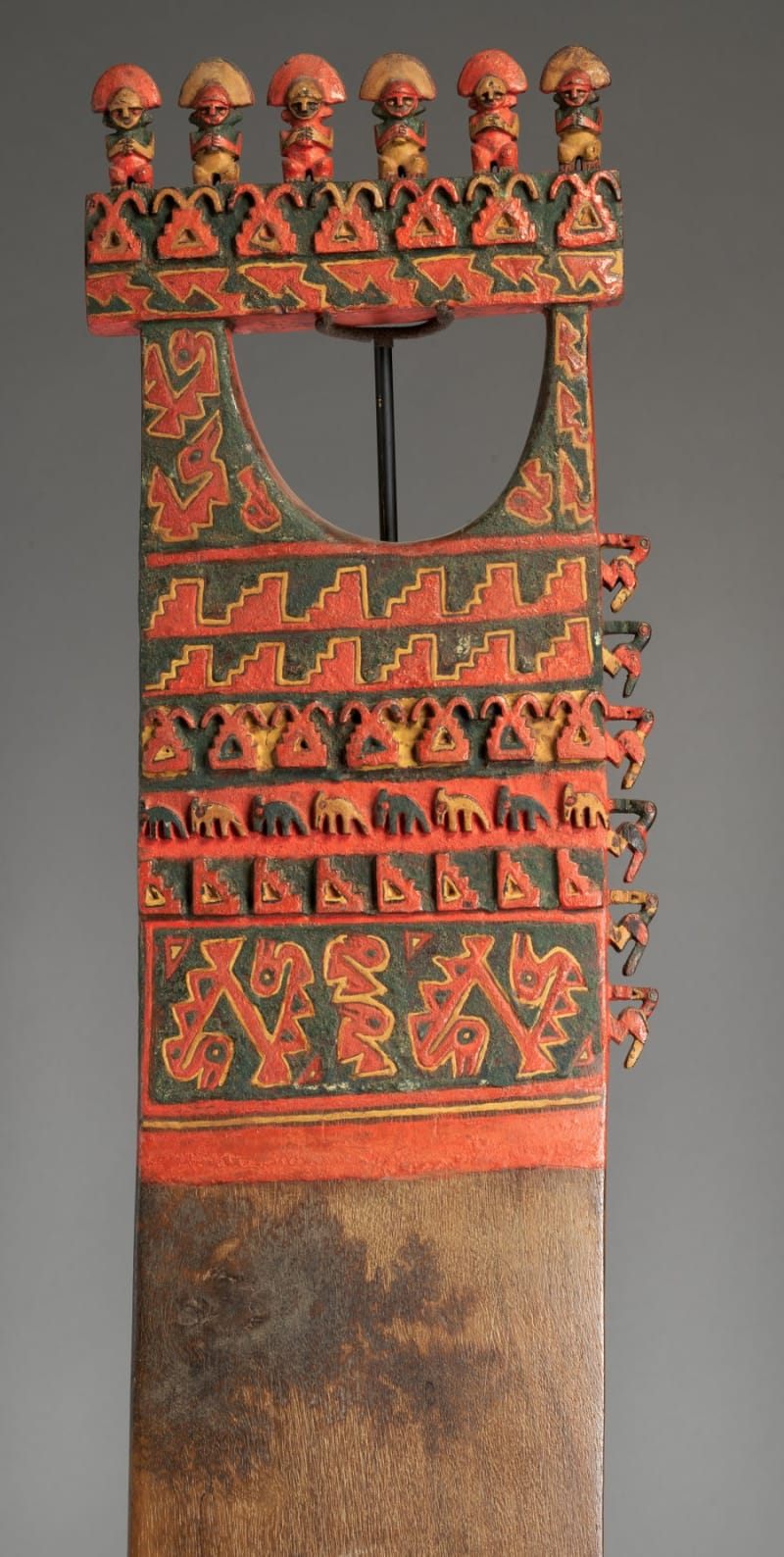
The research team examined ancient corn cobs using isotope analysis, measuring the chemical signatures left behind in the plant material. The results pointed clearly to marine fertilizer use, backed up by seabird artwork found throughout the region.
Guano isn't just any fertilizer. It's so packed with nitrogen that it earned the nickname "white gold" and later sparked international competition in the 1800s. For the Chincha Valley farmers, it was the top tier fertilizer available.
The Ripple Effect
This agricultural breakthrough didn't just feed people. It likely transformed the entire social structure of coastal Peru. Jordan Dalton, an archaeologist at SUNY Oswego who studies the region, notes that better access to guano may have made some communities more prosperous and powerful than their neighbors.
The ability to grow surplus crops meant people could specialize in other trades. Communities could negotiate from positions of strength. Populations could grow without fear of famine. All from paying attention to what the seabirds left behind.
The discovery also matters for modern archaeology. Scientists use chemical analysis to understand ancient diets, but marine fertilizer on land crops creates what Milton calls "a false marine signal." An animal that ate fertilized corn might look chemically similar to one that ate fish, potentially confusing interpretations of ancient life.
This clever farming solution shows how ancient peoples observed their environment and innovated with available resources. The Chincha Valley farmers saw abundance on those offshore islands and found a way to bring that richness back to their fields, feeding their families and building a civilization that thrived for centuries.
More Images

Based on reporting by Scientific American
This story was written by BrightWire based on verified news reports.
Spread the positivity!
Share this good news with someone who needs it
%2Fhttps%3A%2F%2Ftf-cmsv2-smithsonianmag-media.s3.amazonaws.com%2Ffiler_public%2Ff8%2F2a%2Ff82aae37-3a31-4995-b8f3-4be66db320c8%2Fmembers_of_the_research_team_during_the_documentation_and_analysis_work.jpeg)