Ancient Poet Gave Us First Written Eclipse Account
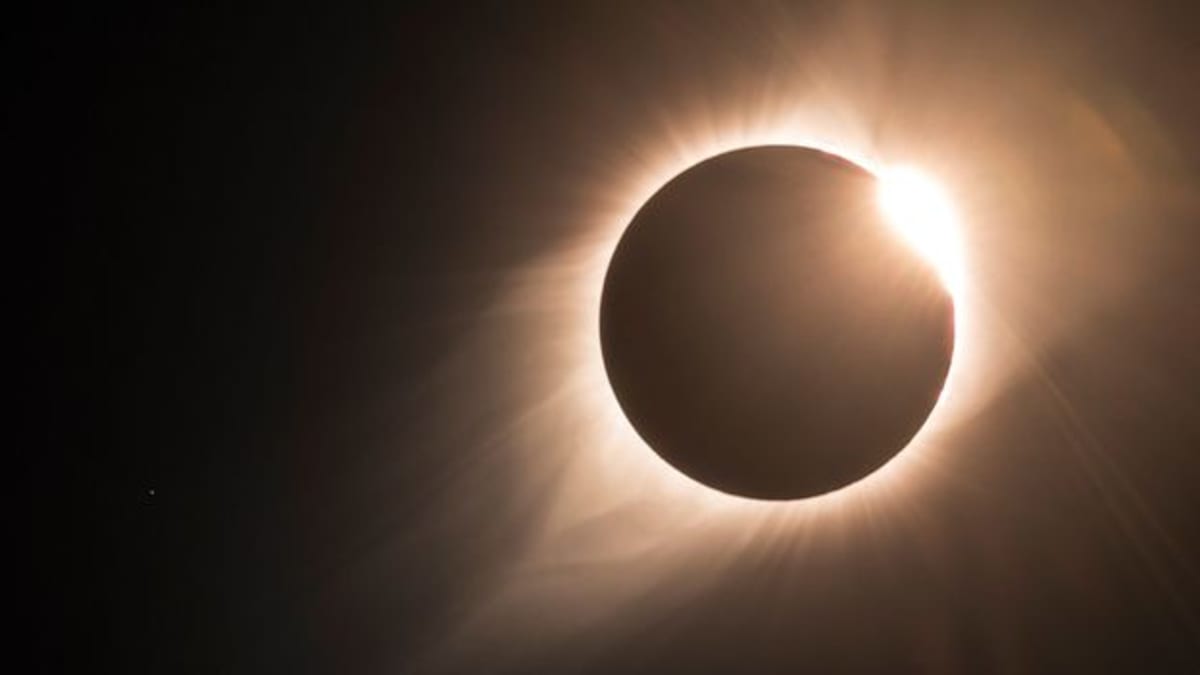
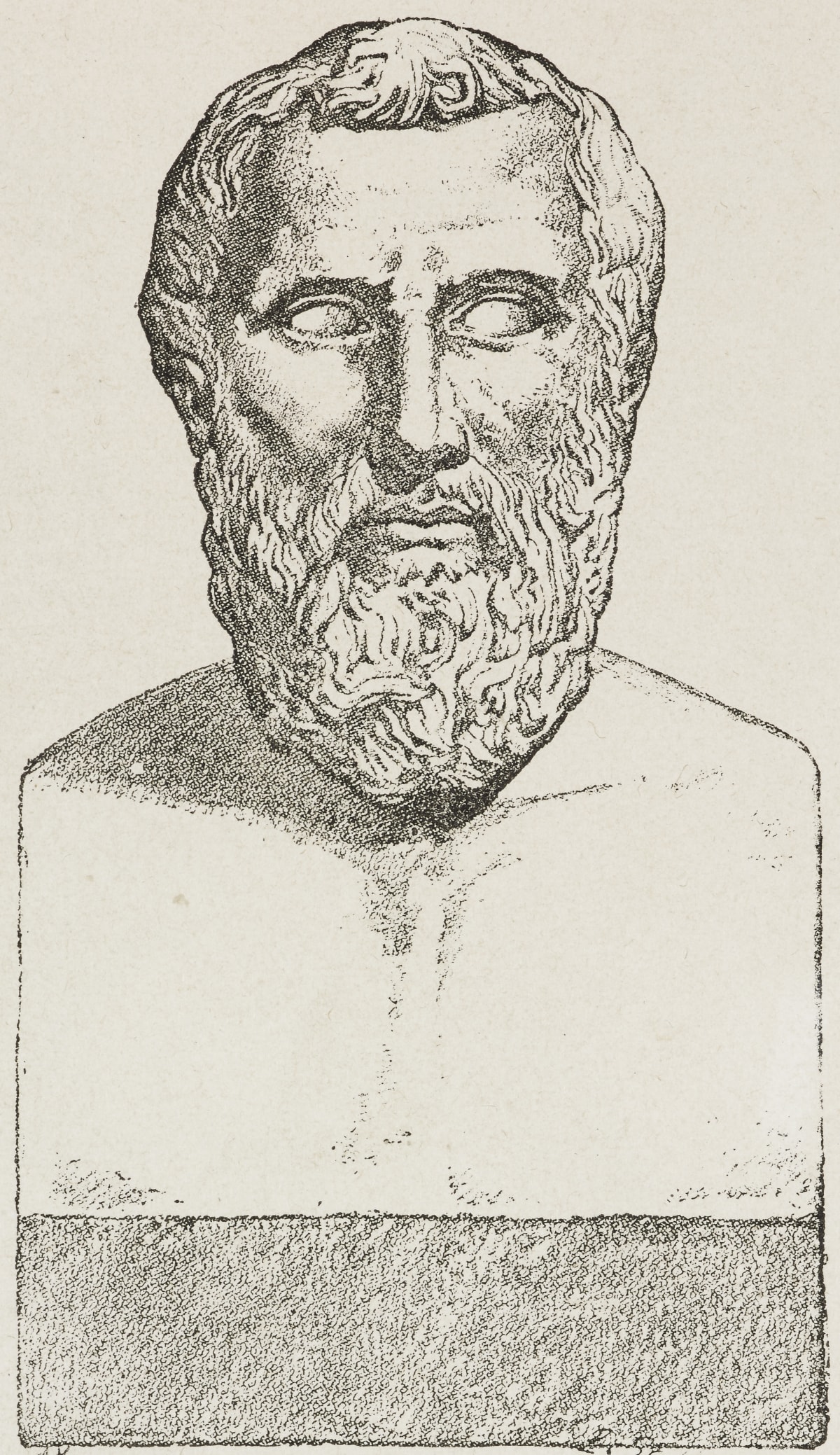
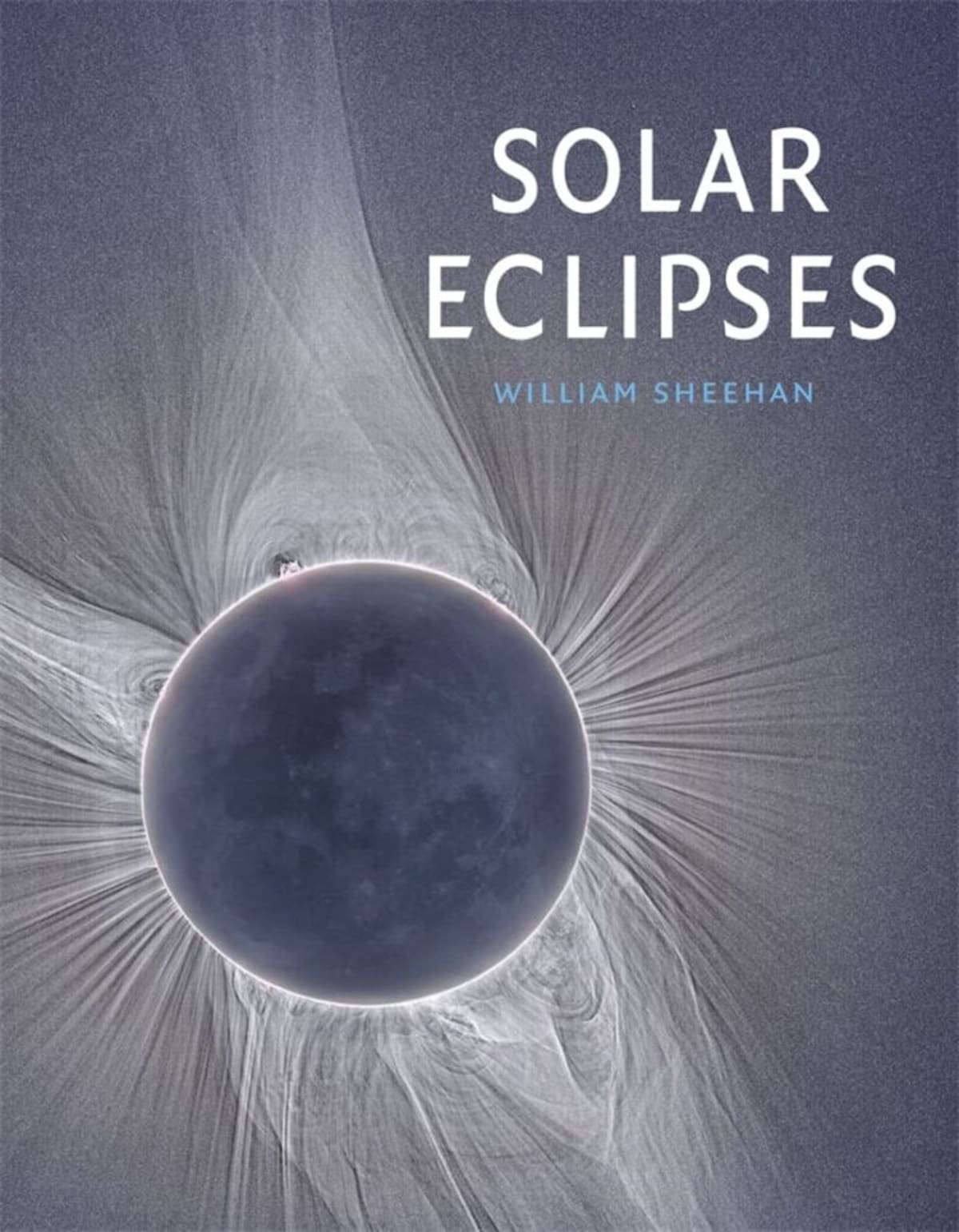
Nearly 3,000 years ago, a Greek soldier-poet named Archilochus witnessed something that changed how humanity sees the sky. His written account became the first eyewitness description of a total solar eclipse ever recorded.
Imagine standing in ancient Greece when the sun suddenly vanished from the sky, with no warning and no explanation. That's exactly what happened to Archilochus, a seventh-century poet whose words gave humanity its first written eclipse account.
For most of human history, total solar eclipses were complete mysteries that struck without warning. Ancient people had no way to predict when the moon would pass in front of the sun, plunging their world into sudden darkness.
Archilochus wasn't exactly a gentle soul. Historical records describe him as immoral, foul-mouthed, and violent. But when he witnessed the sky go dark, this rough soldier found words that would echo through millennia.
Before the second century BCE, predicting eclipses was impossible. The best anyone could do was guess that an eclipse might happen on a certain date, though whether it would be partial, total, or happen at all remained unknown.
The challenge wasn't just ignorance. It was rarity. From any single location on Earth, a total solar eclipse might not occur during an entire human lifetime. Minneapolis waited 145 years between total eclipses. Sydney will wait 830 years between its next two.
People working in fields or fishing had little reason to stare at the sun. Partial eclipses went largely unnoticed unless they were very deep. Even today, noticeable changes in sunlight only happen minutes before totality.
Why This Inspires
Archilochus's account represents humanity's first step toward understanding our cosmic neighborhood. His words transformed a terrifying mystery into recorded knowledge that future generations could study.
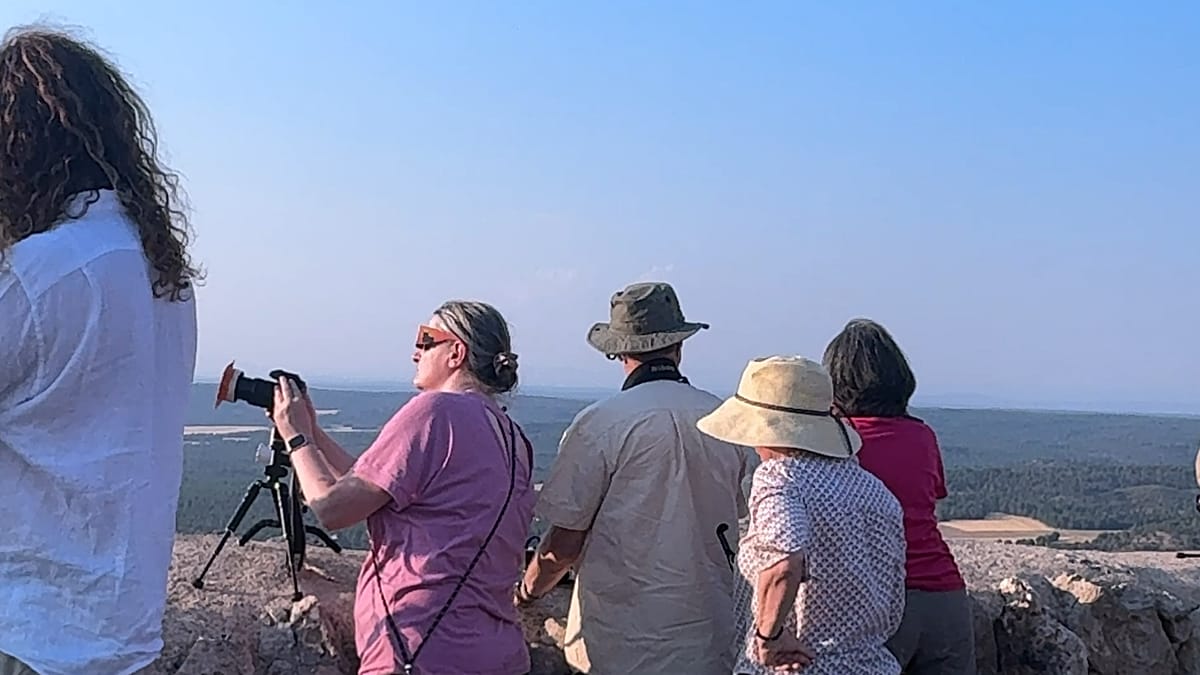
Today we predict eclipses with pinpoint accuracy years in advance. We understand the precise dance between Earth, moon, and sun. Thousands of eclipse chasers travel the globe, experiencing that same awe Archilochus felt, but now with understanding instead of fear.
What once seemed like the arbitrary actions of angry gods became explainable through patient observation and scientific inquiry. That journey from terror to understanding started with one rough soldier brave enough to write down what he saw.
The ancient mysteries that once paralyzed humanity with fear now inspire us to travel thousands of miles just to witness them again.
More Images

Based on reporting by Live Science
This story was written by BrightWire based on verified news reports.
Spread the positivity!
Share this good news with someone who needs it