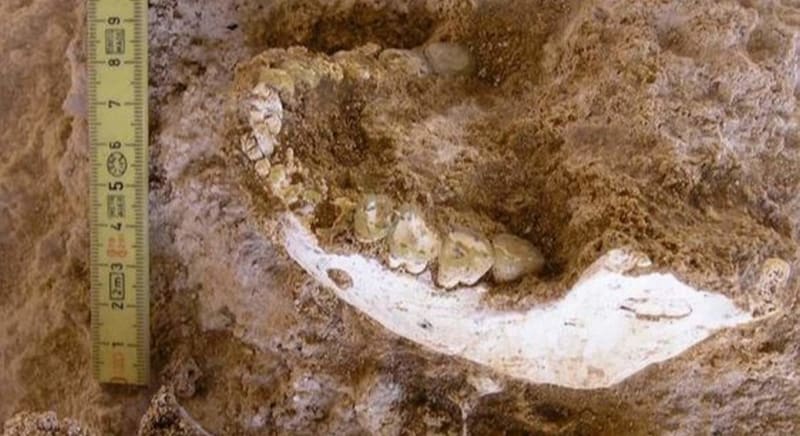
Ancient Pompeii's Bath Water Was Rarely Changed, Study Finds
New mineral discoveries buried under Mount Vesuvius lava reveal that ancient Pompeii's famous public baths weren't as clean as we imagined. The findings also show the city's bathing culture evolved through Greek and Samnite influence long before Roman rule.
Scientists have uncovered a surprising truth about daily life in ancient Pompeii by studying minerals preserved under volcanic ash for nearly 2,000 years. The discovery reveals not just how dirty the bath water was, but also tells a fascinating story of cultural exchange that shaped one of history's most famous cities.
Researchers from Germany's University of Mainz found calcium carbonate deposits buried beneath the lava from Mount Vesuvius's 79 AD eruption. These mineral formations act like a time capsule, showing exactly what was in the communal bath water and how often it was changed.
The answer might make modern germaphobes cringe. In the early days of Pompeii's public baths, the water was rarely refreshed and showed signs of heavy human contamination.
Professor Cees Passchier, who co-authored the study published in the Proceedings of the National Academy of Sciences, explains why. Slaves powered water lifting machines by running in giant hamster wheels to fill the baths bucket by bucket. Fresh water was simply too labor intensive to provide regularly.
But the research revealed something even more exciting than dirty bath water. By analyzing the mineral deposits, scientists reconstructed thousands of years of Pompeii's water system history. The evidence shows Greek influence came first, followed by the Samnites, a mountain people who fiercely resisted Roman expansion.
The Romans eventually brought their famous engineering skills to Pompeii during the wealthy Augustan Period from 27 BC to 14 CE. That's when the aqueduct arrived, transforming public bathing from a luxury into an everyday experience. Suddenly cities across the empire could access clean, flowing water without exhausting their workforce.
Why This Inspires
This discovery shows how preservation can happen in the most unexpected ways. The same volcanic eruption that tragically destroyed Pompeii also perfectly preserved its wells, baths and aqueducts for future generations to study. Scientists can now trace how different cultures contributed to making daily life healthier and more comfortable for ordinary people.
The findings also highlight human ingenuity across civilizations. Greeks pioneered longer aqueducts, Samnites developed local water systems, and Romans perfected large scale engineering to bring clean water to millions.
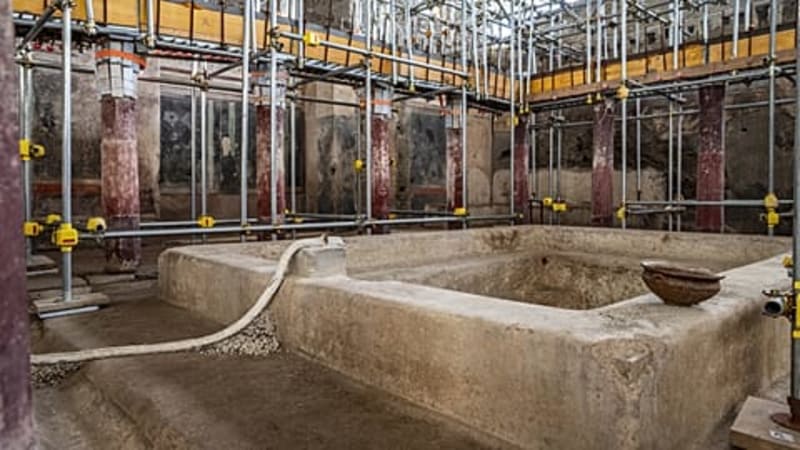
Pompeii's Central Baths were still under construction when Vesuvius erupted, frozen in time before completion. The city never reached the peak of Roman bathing culture, but its preserved ruins continue teaching us about the innovations that improved ancient lives.
More Images


Based on reporting by Euronews
This story was written by BrightWire based on verified news reports.
Spread the positivity! 🌟
Share this good news with someone who needs it