Ancient Potato Linked 10,000+ Cultures Across Southwest
Indigenous peoples carried wild potatoes across the American Southwest over 10,000 years ago, creating food traditions that still thrive today. New research shows how ancient communities shaped the future of a hardy plant through generations of care and cultural connection.
More than 10,000 years ago, Indigenous communities in the American Southwest were already thinking about the future. They carried wild potatoes across hundreds of miles, planting the seeds of food traditions that would last millennia.
Scientists at the University of Utah discovered evidence of this remarkable journey by studying ancient stone tools from 14 archaeological sites. Tiny starch granules left behind on grinding stones told a story spanning thousands of years.
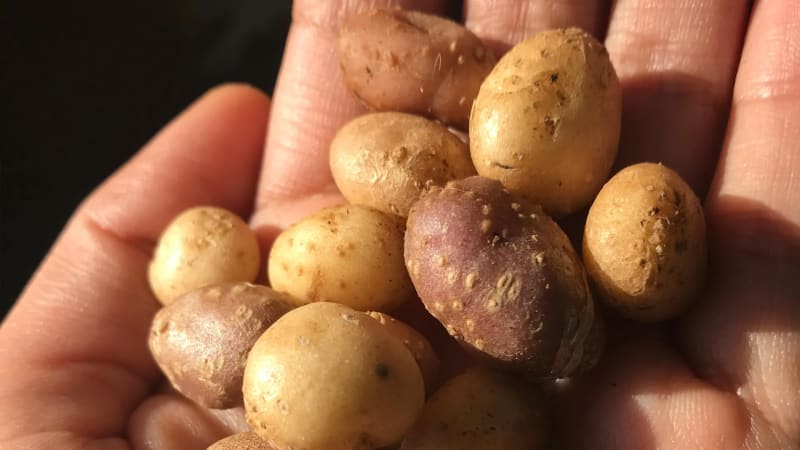
The Four Corners potato, a small but nutritious wild plant, grows naturally across parts of the Southwest. But genetic testing revealed something surprising: potato populations in Utah and Colorado came from plants that originated much farther south.
Ancient peoples didn't just stumble upon these northern potato patches. They deliberately transported them, extending the plant's range by hundreds of miles and helping it thrive in new environments.
The evidence goes back 10,900 years. Stone tools from nine different sites showed traces of potato starch, concentrated near the modern borders of Colorado, Utah, Arizona, and New Mexico.
Why This Inspires
This discovery reveals how Indigenous communities shaped their environment with intention and care thousands of years before formal agriculture emerged. By moving and using the Four Corners potato repeatedly, they began the earliest stages of domestication.
Even more inspiring: these traditions never disappeared. Researchers interviewed 15 Navajo elders who confirmed the wild potato remains important today for both food and spiritual ceremonies.
"Indigenous knowledge holders, especially matrilineal women, held on to these seedlings and stories across generations," explains researcher Cynthia Wilson. The mobility of these food traditions was driven by kinship practices that sustained ties to ancestral lands.
The Four Corners potato represents something bigger than agriculture. It shows how ancient peoples built networks across vast landscapes, sharing resources and knowledge through family connections that spanned generations.
These weren't random acts of survival. They were deliberate choices that created a unique cultural identity in the Four Corners region, one that archaeologists can now trace through both genetic evidence and living traditions.
Today's Indigenous communities continue honoring these ancestral connections, proving that some seeds planted 10,000 years ago are still bearing fruit.
Based on reporting by Science Daily
This story was written by BrightWire based on verified news reports.
Spread the positivity!
Share this good news with someone who needs it