Ancient Ritual Basin Found at Biblical City Site in Egypt
Archaeologists in Egypt have unveiled a 2,000-year-old religious complex featuring a massive water basin used for sacred rituals. The discovery at Tell el-Farama, likely the biblical city of Sin, reveals centuries of continuous spiritual practice.
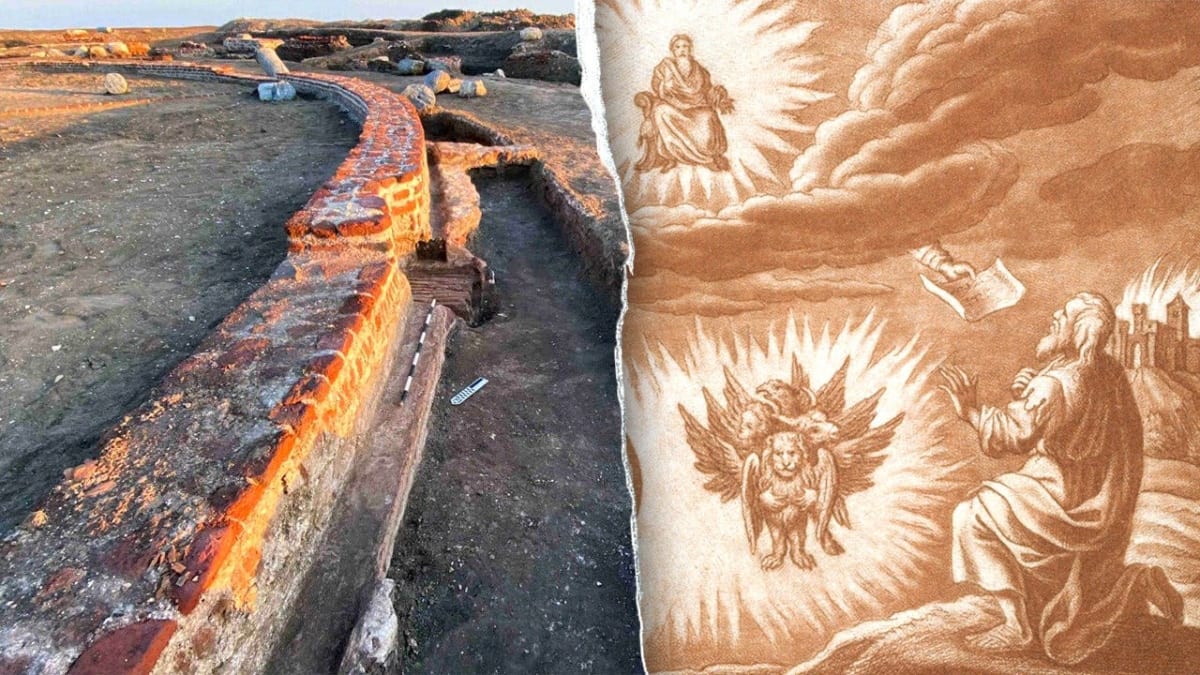
A giant circular basin that once held sacred waters from the Nile River has emerged from the sands of Egypt, offering a glimpse into 800 years of ancient religious life.
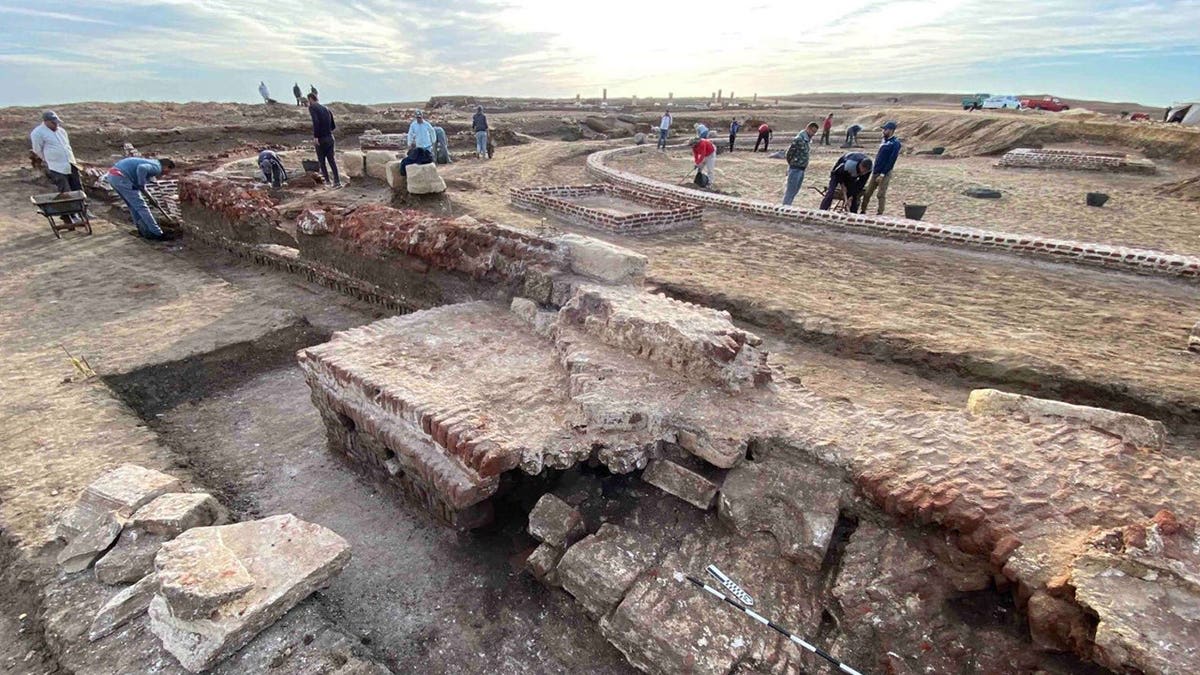
The discovery at Tell el-Farama in North Sinai reveals a ritual complex dedicated to the local deity Pelusios. The basin measures an impressive 115 feet across and was used continuously from the second century B.C. to the sixth century A.D.
The site holds special significance for biblical scholars. Tell el-Farama was once Pelusium, often identified with the city of Sin mentioned in the Book of Ezekiel as a stronghold of Egypt.
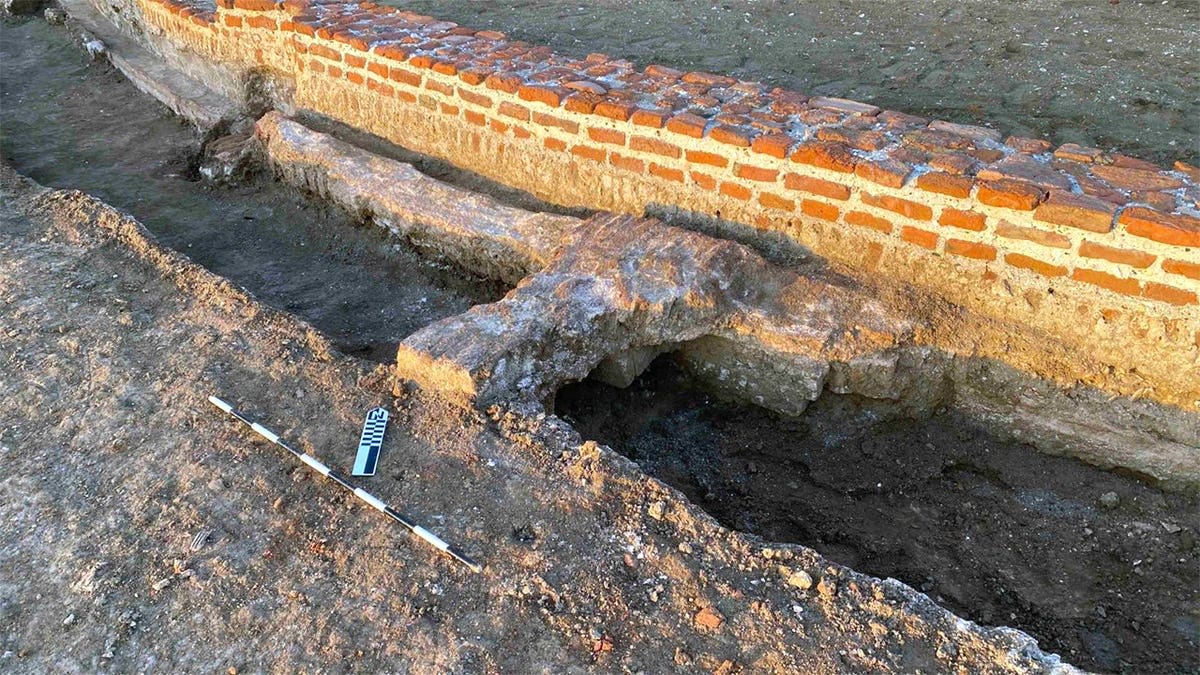
Archaeologists first spotted a fragment of red brick structure in 2019. What they initially thought might be a civic building turned out to be something far more spiritual.
"It was filled with water mixed with Nile silt, symbolizing a connection to the god Pelusios, whose name is derived from the Greek word 'pelos,' meaning 'mud,'" officials explained. The complex includes surrounding channels and water reservoirs, with entrances on three sides.
The discovery shows careful engineering and planning. Multiple channels fed water into the basin, creating an elaborate system for religious ceremonies that served communities for eight centuries.
Why This Inspires
This find reminds us that people have always sought meaning through ritual and community. The basin's centuries of continuous use shows how sacred spaces can endure through changing empires and eras, connecting generations in shared purpose.
The fact that water from the Nile, mixed with mud, became central to worship shows ancient people's deep connection to their land and environment. Their reverence for natural elements mirrors growing awareness today of our relationship with the earth.
Sherif Fathy, Egypt's minister of Tourism and Antiquities, said the discovery "underscores the strategic and archaeological importance of North Sinai, which is rich in promising sites that still hold many secrets." His words hint at future discoveries waiting beneath the sand.
The site joins other recent Egyptian finds, including eight rare papyrus scrolls from 3,000 years ago and an early Christian monastery from the fourth to sixth centuries.
Each discovery adds another piece to humanity's story, showing that our ancestors built with intention, worshipped with devotion, and created lasting monuments to their beliefs.
More Images


Based on reporting by Fox News Travel
This story was written by BrightWire based on verified news reports.
Spread the positivity!
Share this good news with someone who needs it