Ancient River Station Unites Egypt and China on Heritage
A 1,200-year-old underwater hydrological station in China is bringing together two ancient civilizations through a shared mission to protect water heritage. Egypt and China are now jointly pursuing UNESCO recognition for their historic river monitoring sites.
Deep beneath the Yangtze River, a stone ridge covered in 1,200 years of history is building bridges between nations today.
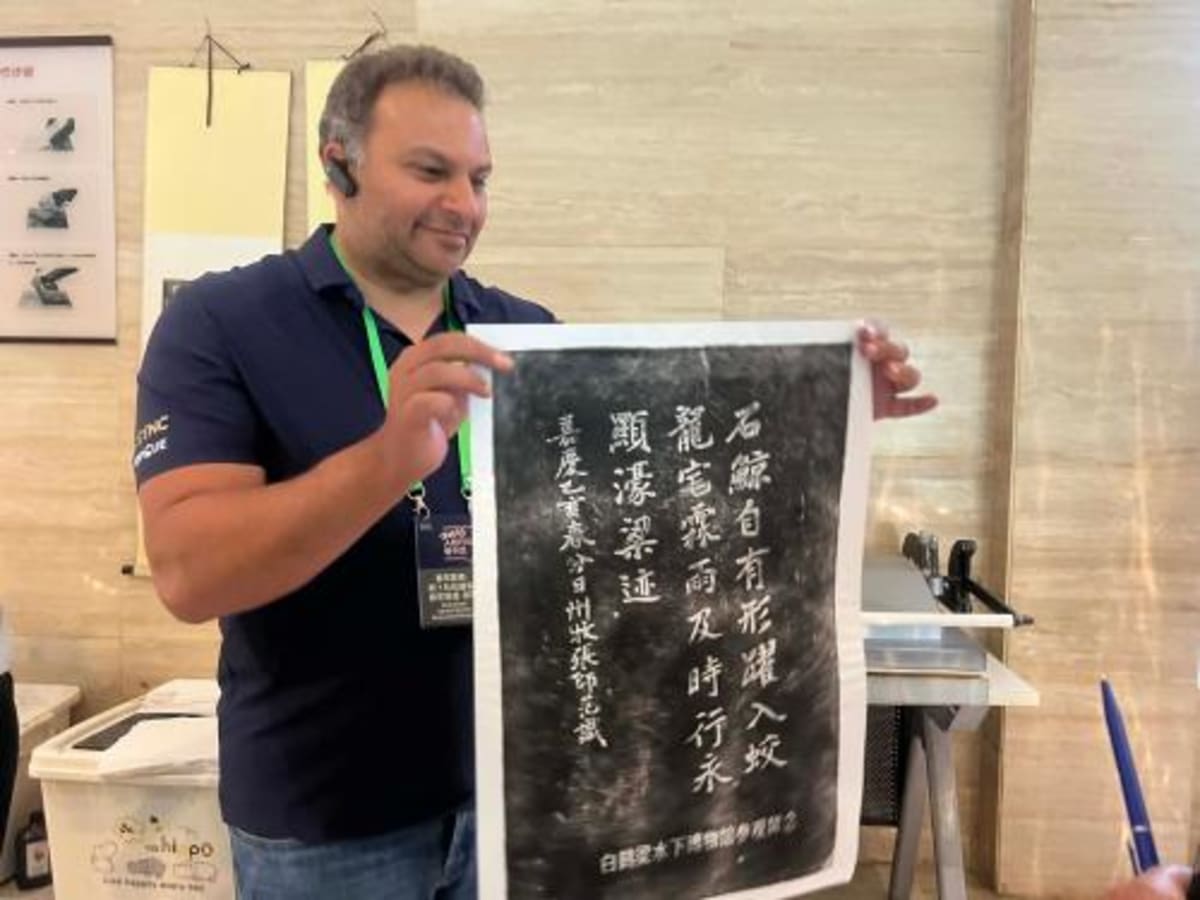
The Baiheliang Underwater Museum in Chongqing recently welcomed human rights experts from 20 countries to witness something remarkable. The museum preserves 165 carved inscriptions dating back to 763 AD that tracked the river's water levels across 72 different years. Ancient engineers created what experts now call the world's first hydrological station.
The site earned its poetic name from flocks of white cranes that once gathered on the ridge. Today, visitors peer through underwater viewing windows at inscriptions that helped Chinese communities predict floods and droughts for over a millennium.
Egypt's Minister Plenipotentiary Mohamed Abdelrahman Mohamed Moussa found unexpected common ground during his visit. "Both Egypt and China are ancient civilizations centered around water," he said, noting the parallels between the Yangtze and the Nile.
The connection runs deeper than nostalgia. China and Egypt are now working together to nominate their historic river monitoring sites for UNESCO World Cultural Heritage status. Egypt's proposal features the Rawda Island Nilometer, which served a similar purpose on the Nile.
The Ripple Effect
This collaboration demonstrates how cultural heritage can unite rather than divide. Moussa emphasized there's no competition between the civilizations, only complementarity.
Former Peruvian Prime Minister Eduardo Melchor Arana Ysa captured the broader significance during his visit. "The historical memory of a people represents the soul of its citizens," he said. "It must be protected, shared, and passed down as a legacy to future generations."
Albanian academic Paskal Milo agreed, noting that water heritage honors both individual nations and humanity as a whole. "Having such a culture means the Chinese people have reason to be proud, but this is a history that belongs not only to China but to the whole world," he said.
The joint UNESCO nomination represents a practical model for international cooperation rooted in mutual respect. Rather than viewing ancient achievements through a competitive lens, Egypt and China are celebrating how their ancestors solved similar challenges with comparable ingenuity.
The underwater museum itself stands as testament to modern preservation efforts. When the Three Gorges Dam threatened to submerge Baiheliang permanently, engineers built an innovative underwater viewing system that protects the carvings while allowing public access.
This heritage partnership shows how shared human experiences across millennia can inspire collaboration today.
Based on reporting by Google: cooperation international
This story was written by BrightWire based on verified news reports.
Spread the positivity!
Share this good news with someone who needs it