Ancient Roman Mosaics Rewrite History in Italian City
Stunning 2,000-year-old mosaic floors have emerged from a luxurious Roman home in Carsulae, Italy, revealing new insights into one of ancient Rome's most important cities. A $2.5 million project will soon allow visitors to walk among these extraordinary black and white treasures.
Archaeologists in central Italy just uncovered something remarkable: intricate mosaic floors from a massive Roman mansion that's changing everything experts thought they knew about the ancient city of Carsulae.
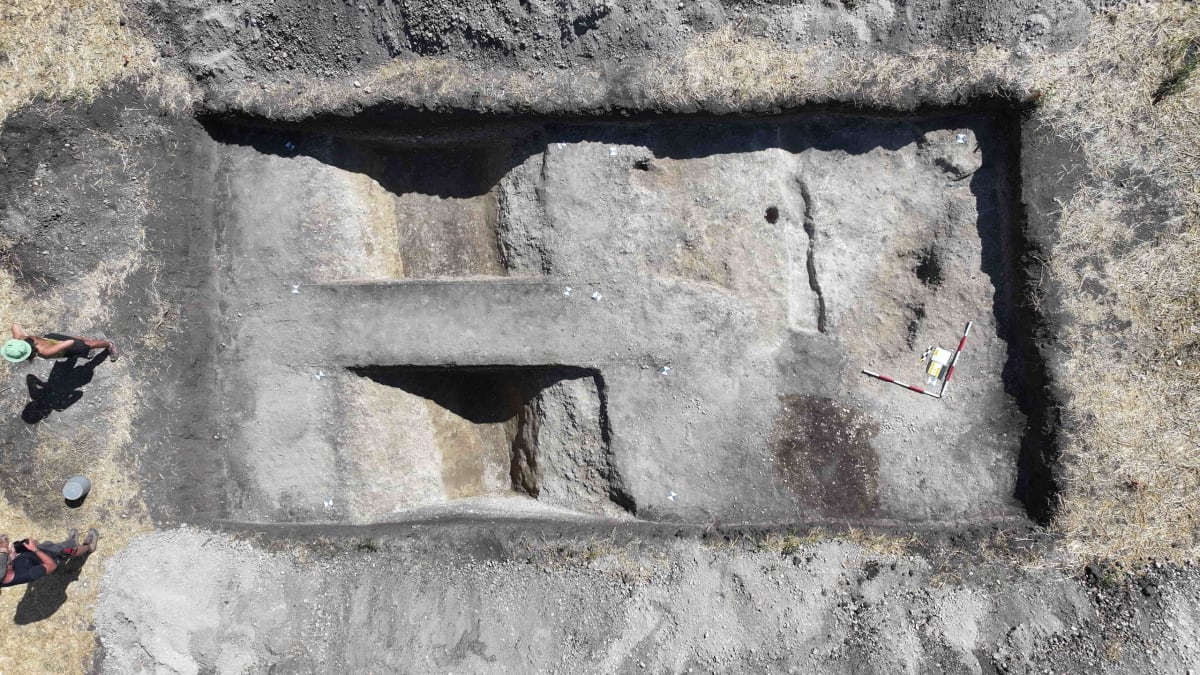
The discovery began quietly in 2017 when researchers started exploring ruins near Terni, a small city in the Umbria region. What they found was breathtaking: a sprawling domus, or Roman residence, dating back to the end of the first century BC, complete with reception halls, courtyards, fountains, and even a private bathhouse.
The mosaics themselves tell an incredible story. Crafted in black and white with geometric patterns, they've survived in extraordinary condition for over two millennia. The floors are so well preserved that experts can clearly see the artistry and skill of ancient Roman craftspeople.
But here's what makes this discovery truly special: the researchers have only explored about half of the mansion so far. More treasures likely wait beneath the soil, ready to reveal even more secrets about daily life in ancient Rome.
The latest excavation in summer 2025 uncovered a second phase of the home's life. The original owners expanded their already impressive residence, adding a full thermal bath complex with hot, warm, and cold rooms, all heated by an advanced underfloor system called a hypocaust.
The Ripple Effect
This discovery is sparking real investment in bringing ancient history to modern visitors. The Italian Ministry of Culture has committed over $2.3 million to build protective covers for the mosaics and completely renovate the site's visitor center.
The project brings together an impressive coalition: the National Museums of Umbria, local preservation authorities, the Municipality of Terni, the University of Perugia, and a local foundation. They're working as a team to ensure these treasures are both protected and accessible.
By 2026, an additional $340,000 will fund new educational displays and visitor services. The goal is simple but powerful: let people experience these ancient wonders up close while keeping them safe for future generations.
Right now, the mosaics are carefully covered to protect them from weather and wear. But soon, specially designed structures will allow visitors to walk through the ancient home and see the same floors that Romans stepped on 2,000 years ago.
This mansion's size and luxury prove that Carsulae wasn't just another Roman outpost. It was a significant city where wealthy, influential families built homes worthy of the empire's grandest traditions.
The discovery reminds us that history still has stories to tell, waiting just beneath our feet.
More Images




Based on reporting by Google: archaeological discovery
This story was written by BrightWire based on verified news reports.
Spread the positivity!
Share this good news with someone who needs it