Ancient Roman Road Uncovered Near Marseille
Archaeologists near Marseille have discovered a 2,000-year-old Roman settlement entrance featuring a road, bath complex, and workshops that reveal how ancient communities blended travel, commerce, and daily life. The find transforms our understanding of Roman settlements as dynamic threshold spaces rather than isolated towns.
A quiet plot of land in southern France just revealed how the Romans turned a simple road into a thriving community hub 2,000 years ago.
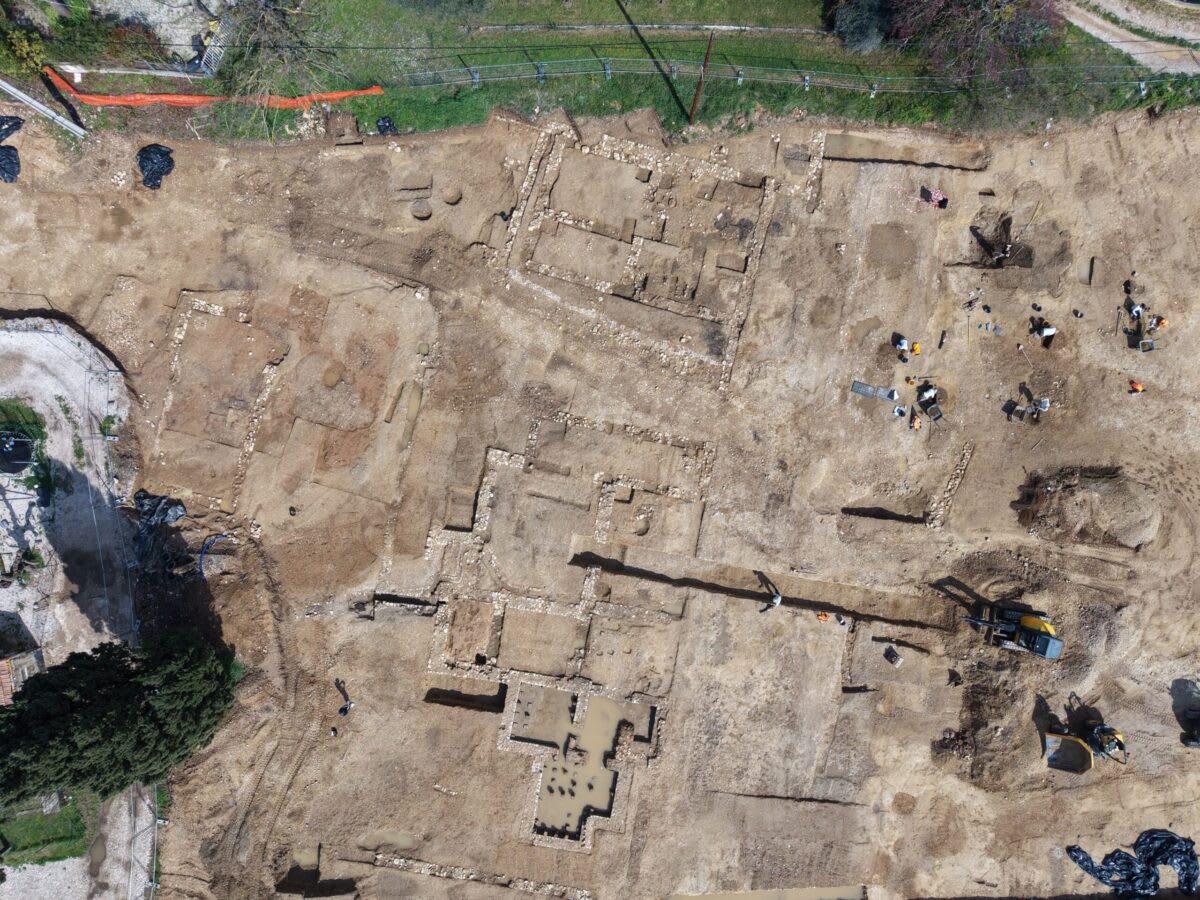
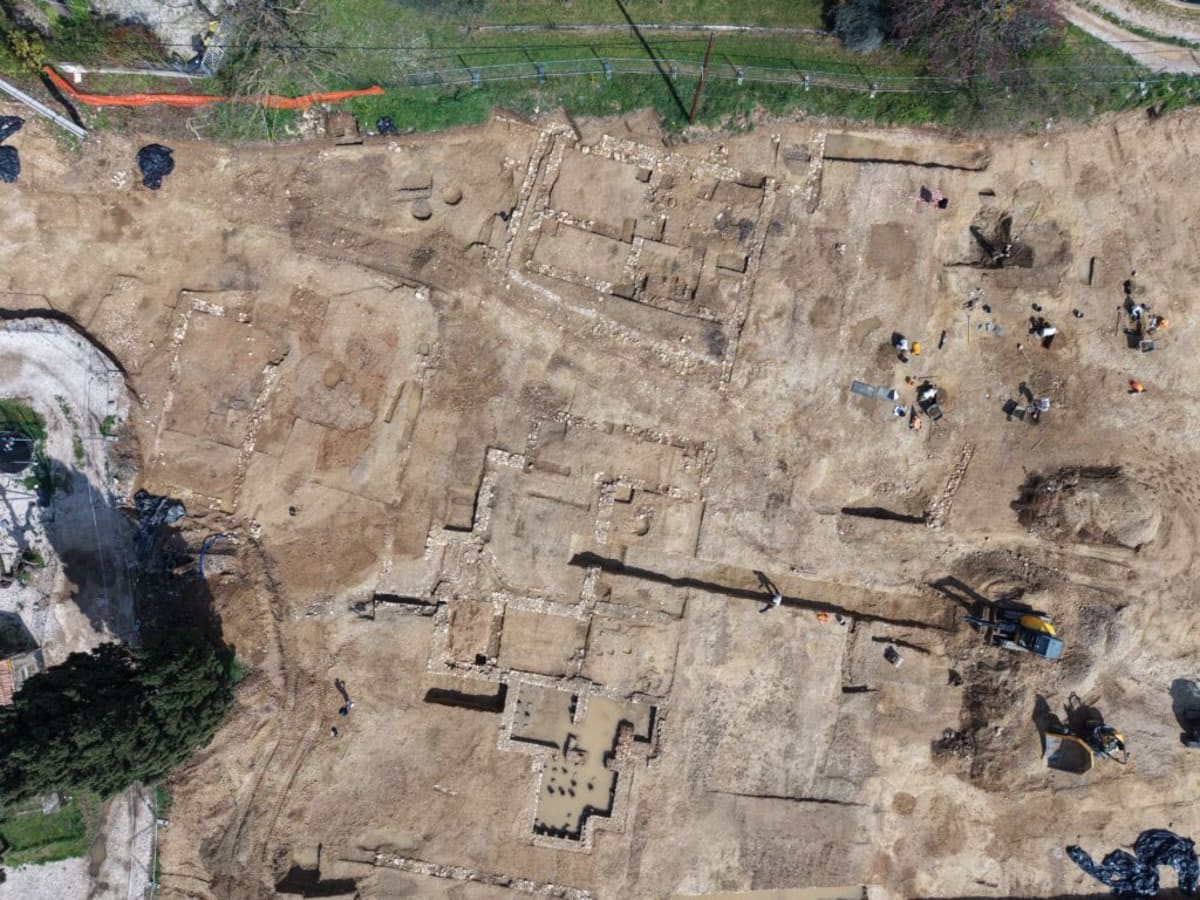
Archaeologists working in Gémenos, just 20 kilometers east of Marseille, have uncovered the entrance to a Roman settlement that challenges everything we thought we knew about ancient town planning. What emerged from the soil isn't just ruins—it's a carefully organized landscape where roads didn't just connect places, they defined them.
At the heart of the discovery sits a north-south Roman road that acted as a living boundary. On one side, researchers found traces of vineyards and agricultural pits filled with artifacts spanning from Roman times through the medieval period, proving the land stayed productive for over a thousand years.
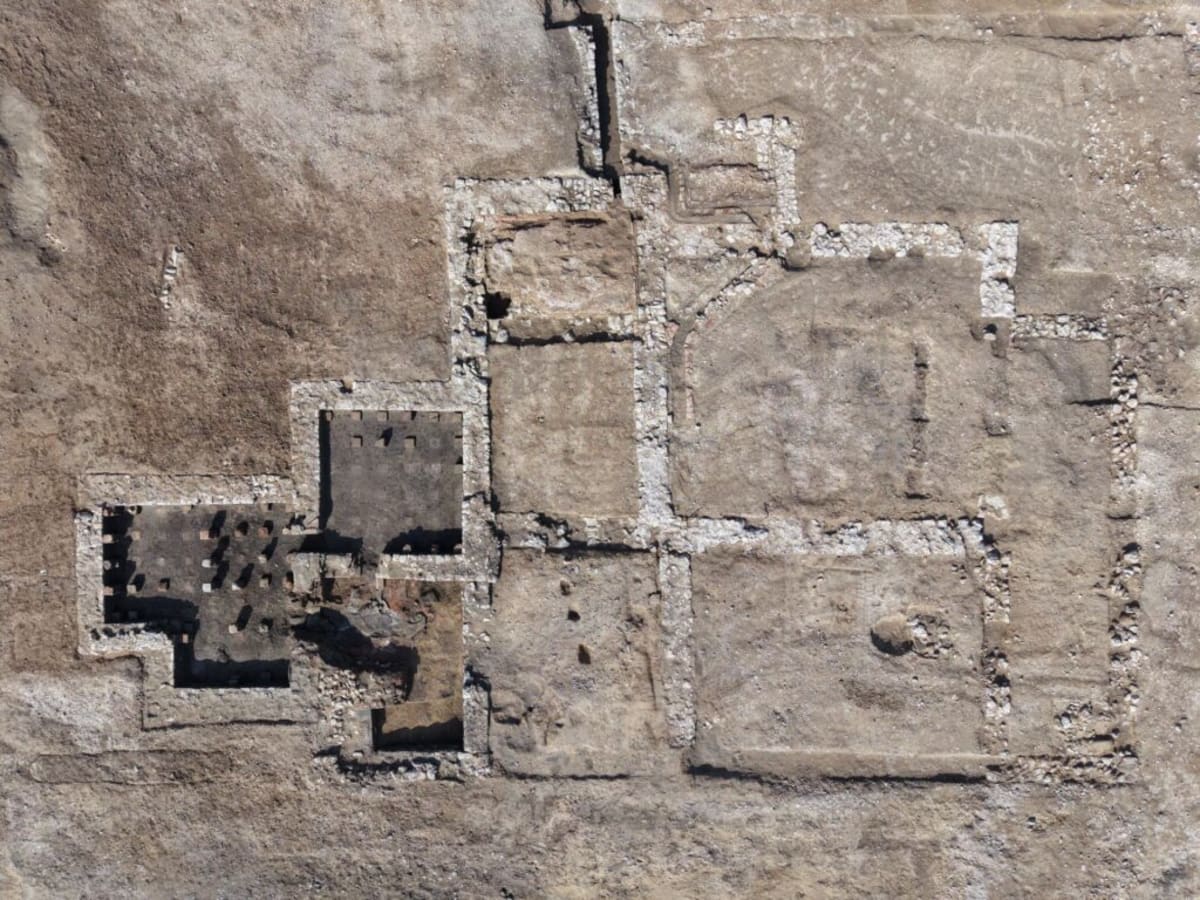
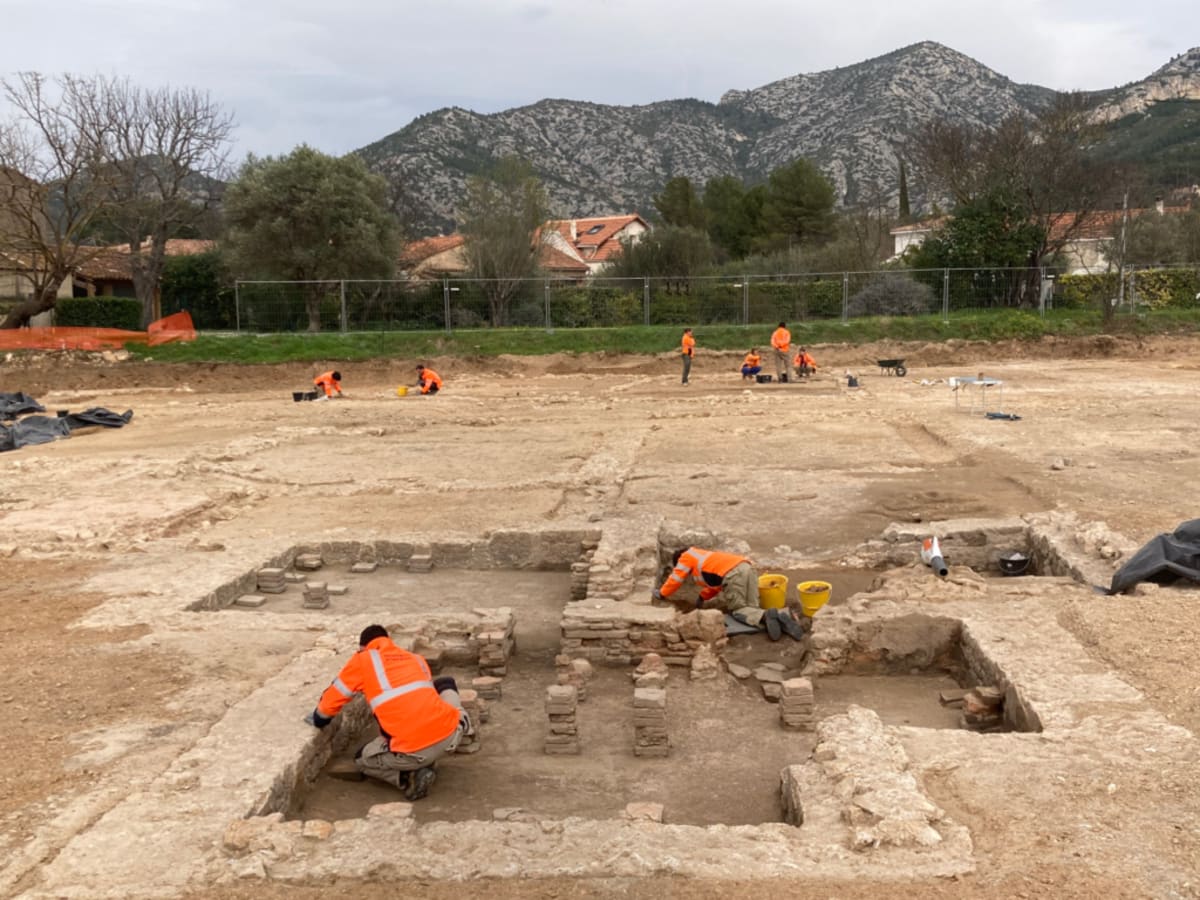
On the other side, stone buildings clustered along the roadside hint at urban life. The most fascinating structure appears to be a bath complex with hypocaust heating—those ingenious Roman pillars that circulated hot air beneath floors—complete with a furnace room and a basin once lined with marble slabs.
Here's where it gets interesting. The building's size suggests it wasn't a private home, but it also seems too modest for a full public bathhouse. Researchers believe it may have been part of a roadside hospitality complex, offering weary travelers a place to rest, bathe, and socialize before entering the settlement.
The excavation also revealed metalworking workshops positioned deliberately at the town's edge, with scattered hearths and bronze and iron fragments showing where craftsmen balanced accessibility with distance from residential areas. Further investigations uncovered a modest room with crushed tile flooring and an oven built from reused ceramic storage jars, likely serving as a kitchen for workers or travelers.
Previous excavations between 2013 and 2023 had suggested a small Roman settlement occupied between the 1st and 3rd centuries CE. This new discovery reframes that understanding completely, revealing not an isolated town but a dynamic threshold where agriculture, industry, and mobility converged.
The Bright Side
This discovery reminds us that ancient communities were far more sophisticated than we often imagine. The Romans didn't just build roads to get from point A to point B—they created integrated systems where different aspects of life coexisted harmoniously. Farmers worked the land within view of craftsmen forging metal, while travelers cleaned up at the baths before entering town.
Fieldwork continues through early April, with researchers planning to expand into western portions of the site known to contain more agricultural remains. Once excavation concludes, specialists will spend months analyzing findings to piece together an even more complete picture of life at this ancient crossroads.
The soil beneath modern France continues teaching us that progress isn't just about moving forward—sometimes it's about understanding how brilliantly our ancestors organized the world around them.
More Images
Based on reporting by Google: archaeological discovery
This story was written by BrightWire based on verified news reports.
Spread the positivity!
Share this good news with someone who needs it