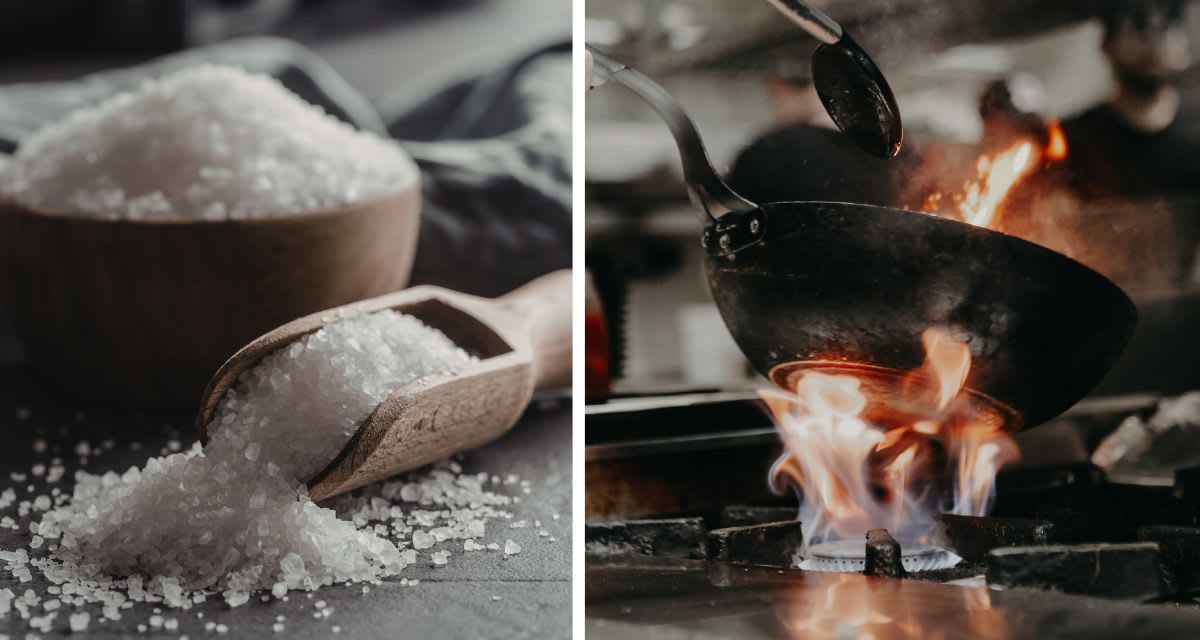
Ancient Salt Frying Makes Cost-Free Comeback on TikTok
A centuries-old cooking technique using salt instead of oil is going viral, offering a zero-cost way to get crispy food. The method has been used for millennia across China, India, and Greece.
📺 Watch the full story above
A cooking hack blowing up on TikTok isn't new at all. It's actually thousands of years old.
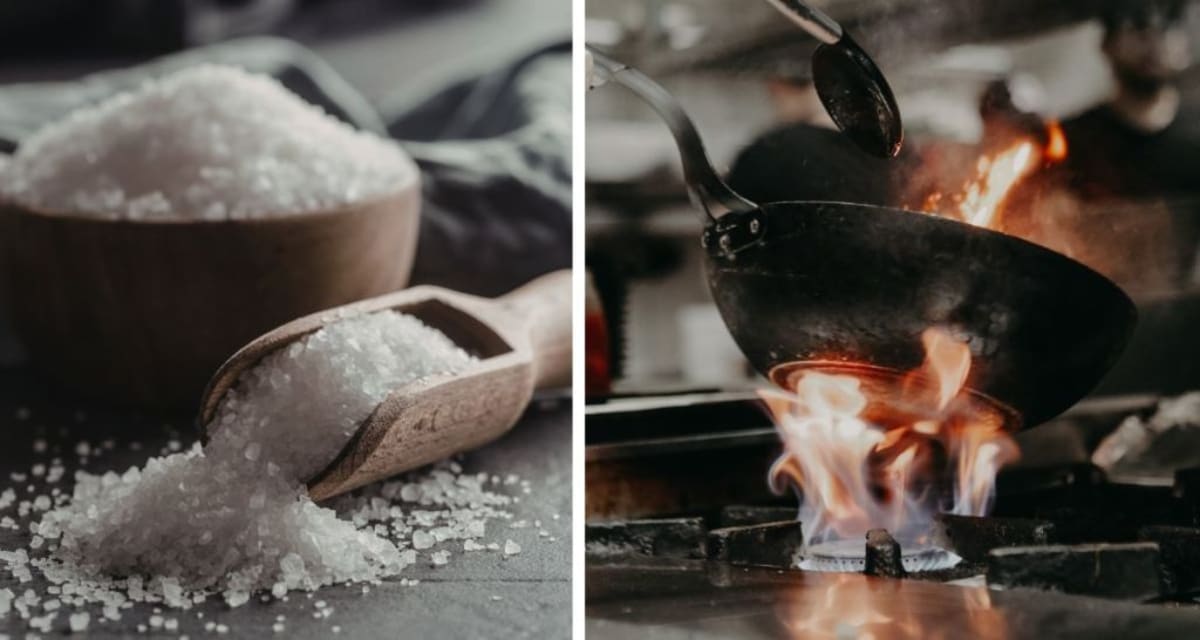
Salt frying, the practice of cooking food in heated salt instead of oil, recently went viral when creator Roice Bethel dropped chicharrones and popcorn into a pan filled only with salt. The food puffed up perfectly, leaving viewers stunned and wondering if they were being pranked.
But this technique has been around for millennia in countries like China, India, and Greece. Street food vendors still use it today to create beloved snacks.
In India, far far (crispy puffs made from potato starch) are traditionally cooked this way. In China, chestnuts roasted in large woks filled with hot sand are a winter staple prized for their smoky flavor. Bangladeshi vendors toast peanuts in hot black sand for even roasting without burning.
These methods emerged in places where cooking oil was scarce or expensive. Salt and sand became practical, cost-effective alternatives that worked just as well.
The Bright Side
Salt frying isn't actually frying at all. It's dry roasting with a clever twist.
When heated, salt acts as an excellent heat conductor that stores and distributes warmth evenly. It surrounds food on all sides, eliminating hot spots and creating consistent cooking that mimics deep frying without any added fat.
The process triggers the same Maillard reaction that makes fried food crispy and golden. Food dehydrates on the outside while staying moist inside, all without a drop of oil.
As archaeologist and culinary anthropologist Kurush F. Dalal told Food & Wine, it's "an incredibly cost-effective and very controllable process." Plus, you can reuse the same salt over and over.
If you want to try it yourself, remember a few key tips. This only works with completely dry ingredients since moisture will make salt stick and ruin the taste.
Use coarse salt and heat it for 15 minutes to let volatile compounds like iodine evaporate. You'll also need a deep, heat-safe pan like a wok or cast-iron skillet that can hold plenty of salt.
What looks like viral magic is really just ancient wisdom getting its moment in the spotlight again.
More Images



Based on reporting by Upworthy
This story was written by BrightWire based on verified news reports.
Spread the positivity!
Share this good news with someone who needs it