Ancient Spanish Brick May Rewrite Cavalry History by 100 Years
A 1,600-year-old engraved brick found in Spain might show the earliest stirrup in Western Europe, pushing back this game-changing invention by over a century. This small artifact could transform how we understand ancient warfare and the spread of military technology.
A simple drawing scratched into a brick fragment in central Spain is challenging everything historians thought they knew about one of warfare's most important inventions.
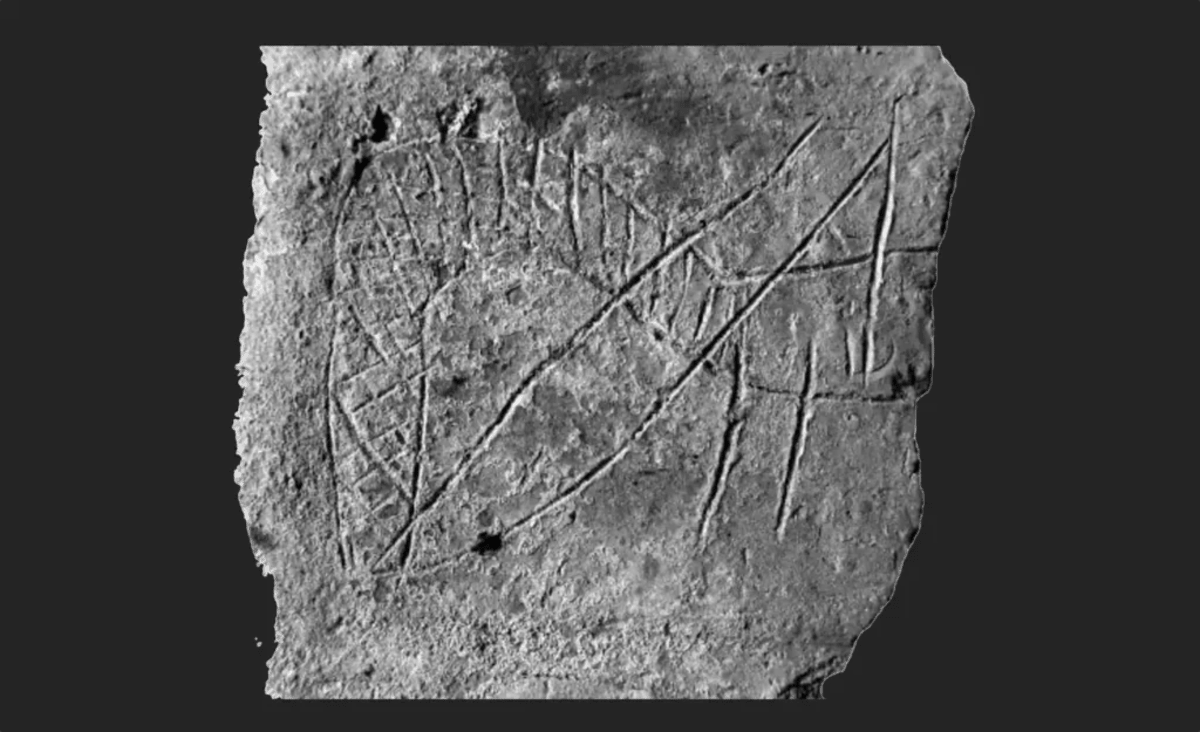
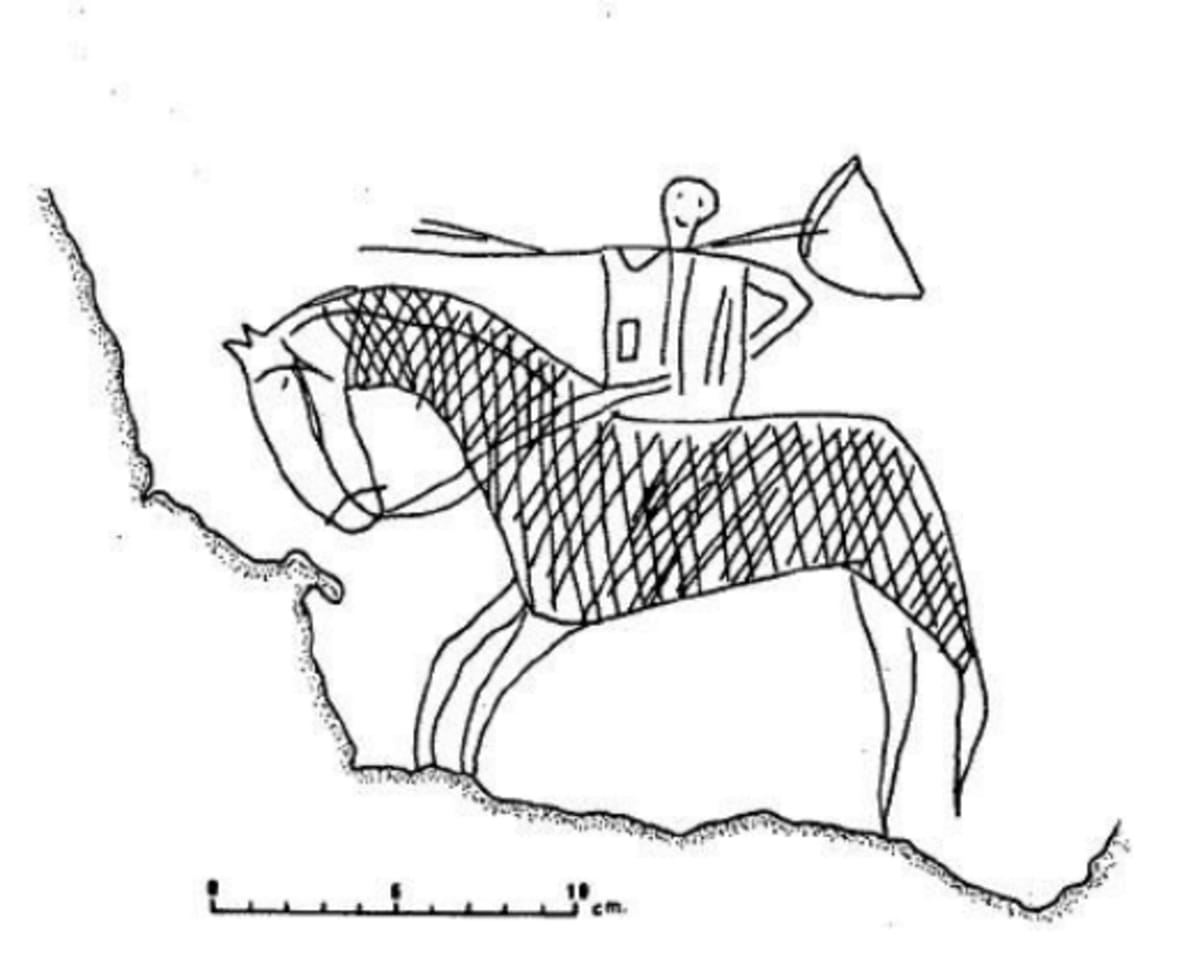
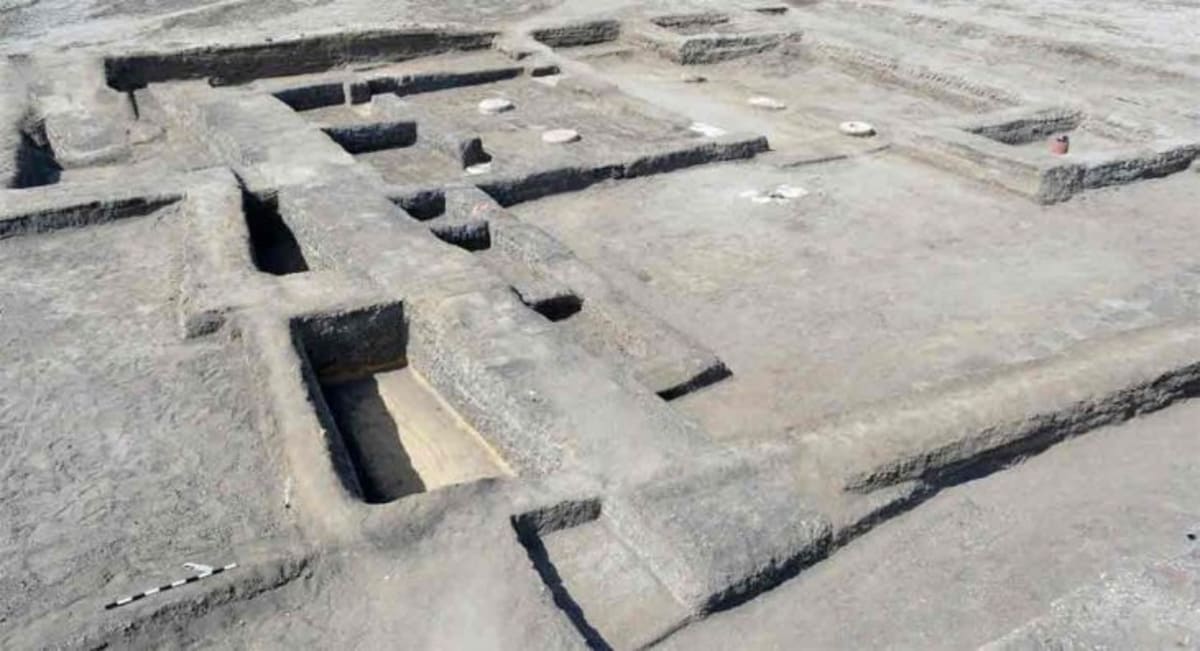
Archaeologists digging at Cerro de la Muela in Cuenca province discovered the 25cm brick piece showing a crude sketch of a horse and rider. The detail that has experts buzzing is a small curved line beneath the rider that appears to be a stirrup.
If confirmed, this would make it the oldest known stirrup depiction in Western Europe, dating to the late 4th or early 5th century. That's more than 100 years earlier than historians believed stirrups reached this part of the world.
The dating comes from pottery and coins found alongside the brick, including currency from the reign of Magnus Maximus who ruled from 383 to 388 AD. This solid evidence gives researchers confidence in placing the artifact during a turbulent period of Roman history.
The engraving itself looks basic at first glance. The horse is drawn with simple lines and the rider is just a vertical stroke. But closer inspection reveals crosshatched patterns on the horse's head and neck, suggesting protective armor used by heavy cavalry units called cataphracts.
Why This Inspires
The stirrup might seem like a small piece of equipment, but it revolutionized how humans fought on horseback. With stirrups, mounted warriors gained stability and balance, allowing them to deliver powerful strikes and use weapons far more effectively than before.
For decades, scholars believed the Avars, nomadic people from the Eurasian steppes, brought stirrups to Western Europe in the 6th century. Written records seemed to support this timeline. But this Spanish brick suggests the technology traveled west much earlier than anyone imagined.
The discovery highlights an important truth about ancient history: the absence of written records doesn't mean something didn't exist. In China, archaeologists found stirrups from the 4th century even though written mentions came decades later. Physical evidence sometimes tells stories that documents miss.
The late 4th century was a chaotic time in the Roman Empire, with civil wars and military leaders moving troops across vast distances. These movements likely carried innovations like stirrups from the eastern frontiers, where heavy cavalry was common, to places like Spain.
This humble brick fragment reminds us that major historical breakthroughs often hide in unexpected places, waiting for someone to look closely enough to see them.
More Images
Based on reporting by Google: archaeological discovery
This story was written by BrightWire based on verified news reports.
Spread the positivity!
Share this good news with someone who needs it