Ancient Wallets Tell Story of City's Last Day in 545 AD
Archaeologists discovered coins dropped by fleeing residents during a catastrophic attack on a Greek city 1,500 years ago. The find reveals counterfeit money and everyday life frozen in time.
A handful of bronze coins scattered in ash is painting an unexpectedly human portrait of a city's final moments in 545 AD.
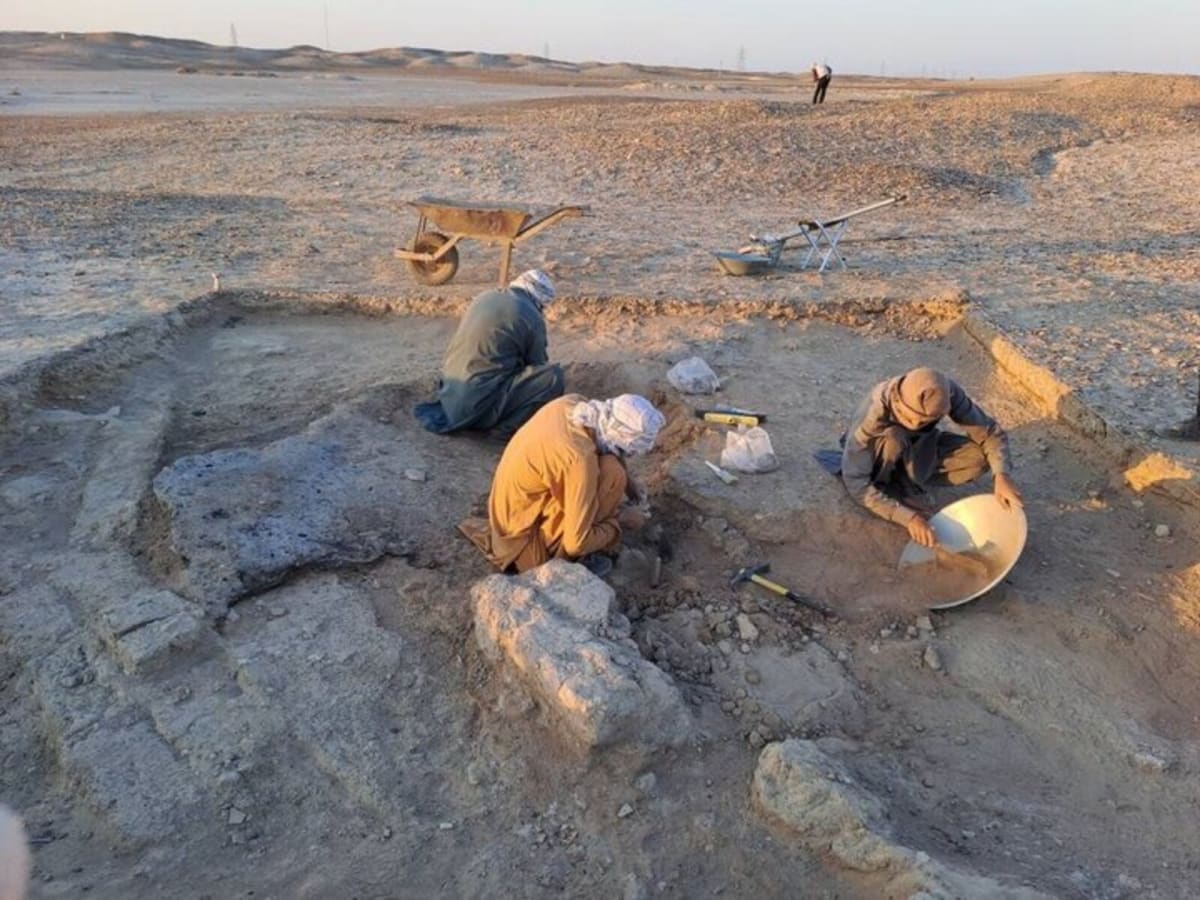
Archaeologists working in southern Russia uncovered clusters of ancient coins at Phanagoria, a Greek-founded city that stood for over a thousand years on the Taman Peninsula. The coins weren't buried treasure or ceremonial offerings—they were the contents of wallets dropped by residents fleeing a violent attack and fire.
Between 2023 and 2024, researchers Mikhail Abramzon and Sergey Ostapenko found at least four distinct groupings of coins in what was once the city's Lower Town. Each cluster contained three to ten bronze coins, left exactly where panicked residents dropped them amid the chaos.
The fire that destroyed these neighborhoods between 545 and 554 AD wasn't an accident. Stone projectiles found at the scene suggest siege warfare, and historical accounts from writer Procopius of Caesarea describe the city's violent destruction during this period.
Phanagoria had been a thriving commercial hub for centuries, linking Greek culture with eastern trade routes. Classical writers considered the nearby Kerch Strait the symbolic boundary between Europe and Asia.
Why This Inspires
The coins themselves tell a surprisingly hopeful story about resilience. Many had been in circulation for over 200 years by the time they were lost, showing how communities made do with what they had in a frontier economy far from major minting centers.
Even more revealing were the counterfeit coins mixed in with real ones. These crude imitations featured misspelled inscriptions and rough designs, suggesting local artisans stepped in when official currency ran short.
Rather than showing a failing economy, the counterfeits demonstrate creative problem-solving. People found ways to keep commerce alive even at the edge of the ancient world.
The wallets' modest contents—just a few coins each—remind us that most of history wasn't made by emperors or generals. It was lived by ordinary people carrying enough money for daily needs, worrying about making ends meet, and trying to protect what little they had when disaster struck.
After the fire, Phanagoria sat abandoned for more than a century before new settlers arrived. The city eventually faded completely by the 10th century, but these small metal discs preserved something larger: proof that everyday people faced extraordinary circumstances with resourcefulness and determination.
More Images


Based on reporting by Google: archaeological discovery
This story was written by BrightWire based on verified news reports.
Spread the positivity!
Share this good news with someone who needs it