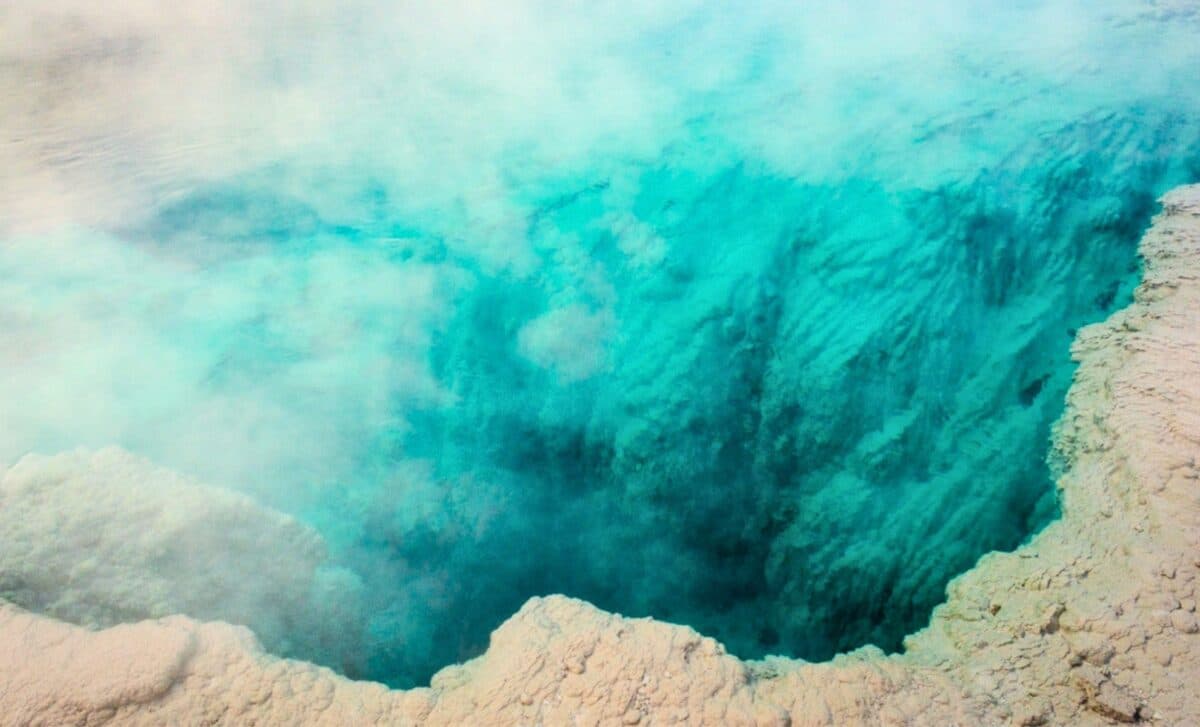
Ancient Water Found 2 Miles Deep May Harbor Hidden Life
Scientists discovered a global network of water trapped underground for up to 2.6 billion years that produces hydrogen and could support entire ecosystems we never knew existed. The finding doubles our estimates of where life might thrive on Earth and offers new hope for discovering life on Mars.
Deep beneath our feet, trapped in rocks older than complex life itself, water has been sitting untouched for billions of years, and it might be teeming with life.
Scientists from the University of Toronto, Oxford, and Princeton have mapped a worldwide network of hydrogen-rich waters locked inside ancient rocks up to 3 kilometers underground. The water produces its own energy through natural chemical reactions, potentially sustaining microbial communities that have been isolated from the surface world since before dinosaurs, before plants, before anything we'd recognize as complex life existed.
The team studied 19 mine sites across Canada, South Africa, and Scandinavia. In a mine near Timmins, Ontario, they found the oldest liquid water ever discovered, sealed away for somewhere between 1.5 and 2.6 billion years.
These ancient Precambrian rocks cover over 70 percent of Earth's continental crust. Until now, scientists had no idea they were producing hydrogen that could fuel life.
The hydrogen comes from two chemical processes happening simultaneously. Radiolytic decomposition occurs when natural radiation from surrounding rocks breaks water molecules apart. Serpentinization happens when certain minerals react with water to release hydrogen gas.
Both processes work independently of sunlight or surface conditions. That means the energy supply remains constant over geological timescales, potentially supporting life in places we'd never thought to look.
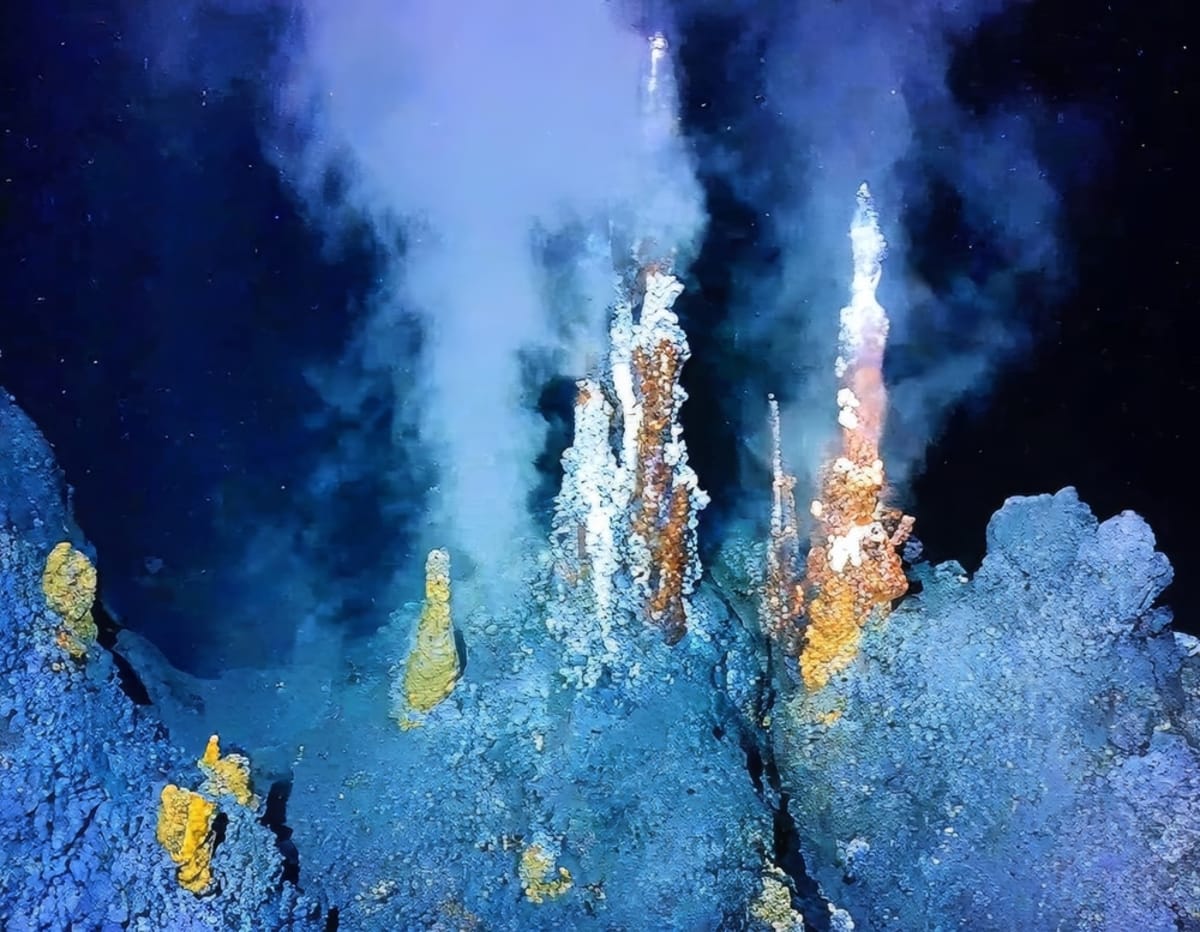
Geochemist Barbara Sherwood Lollar, who led the research, calls these ancient terrains "a sleeping giant" that doubles previous estimates of global hydrogen production. The chemistry mirrors what scientists find near deep sea hydrothermal vents, where thriving microbial communities cluster around hydrogen-rich fluids.
The microbes that might live in these waters are called chemolithotrophs, organisms that essentially eat rocks. They don't need sunlight or organic material from above. They consume hydrogen as their primary energy source and build entire ecosystems in complete darkness.
Why This Inspires
This discovery fundamentally changes how we think about where life can exist. The subsurface may harbor genetic diversity that rivals or exceeds everything living under the sun.
The implications reach beyond Earth. Mars consists of billions-of-year-old rocks similar to Earth's Precambrian crust. The same hydrogen-producing reactions identified here could be operating beneath the Martian surface right now.
"If the ancient rocks of Earth are producing this much hydrogen, it may be that similar processes are taking place on Mars," Sherwood Lollar explained. The finding provides a roadmap for identifying potential habitats on other worlds where liquid water and suitable rock chemistry might combine to generate energy for life.
The research, published in Nature and funded by the Canada Research Chairs program and several international science foundations, represents one of the least explored but most extensive habitable zones on our planet.
These ancient waters remind us that life finds a way in the most unexpected places, and there's still so much left to discover right beneath our feet.
More Images
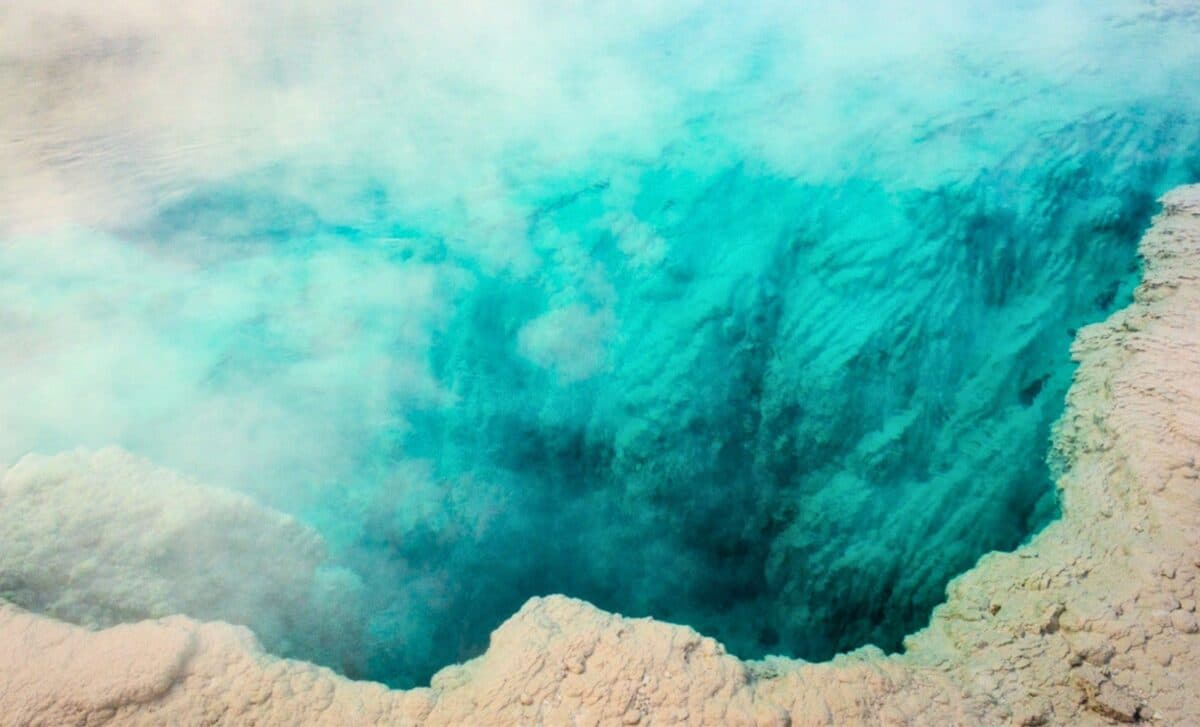

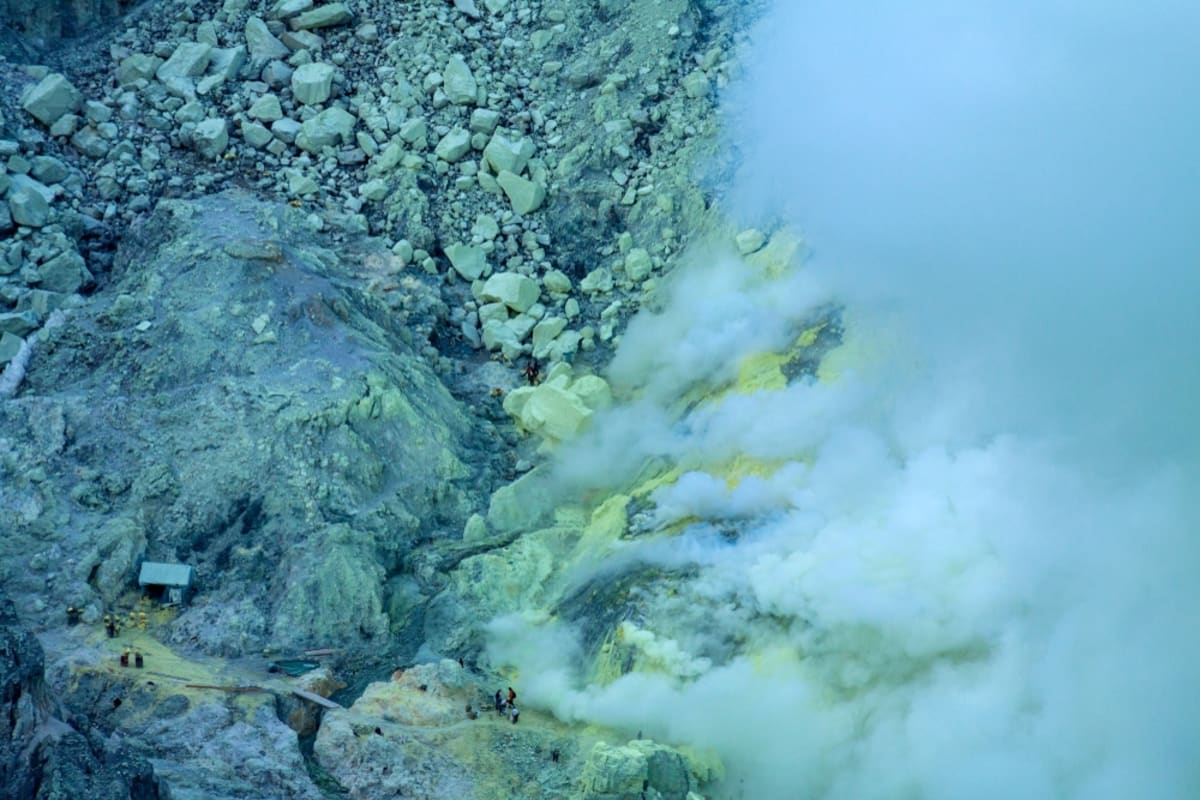
Based on reporting by Google News - Scientists Discover
This story was written by BrightWire based on verified news reports.
Spread the positivity!
Share this good news with someone who needs it

%3Amax_bytes(150000)%3Astrip_icc()%3Afocal(599x0%3A601x2)%2Fdana-price-with-trap-091626-152b86c5a0aa4313a091e8c042946009.jpg)