Ancient Wonder Rising: Lighthouse of Alexandria Found at Sea
Archaeologists just pulled 22 massive blocks from the Mediterranean Sea, pieces of the legendary Lighthouse of Alexandria that vanished centuries ago. Using cutting-edge technology, they're rebuilding one of the Seven Wonders of the Ancient World piece by piece.
After sleeping beneath the waves for over 700 years, one of humanity's most spectacular achievements is coming back to life.
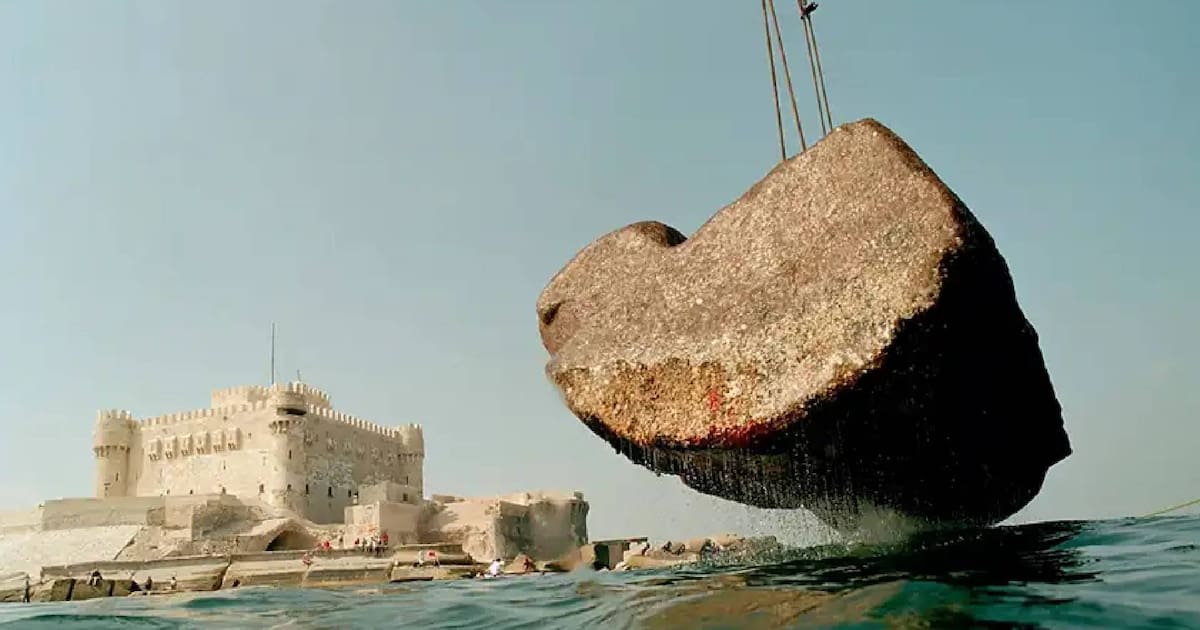
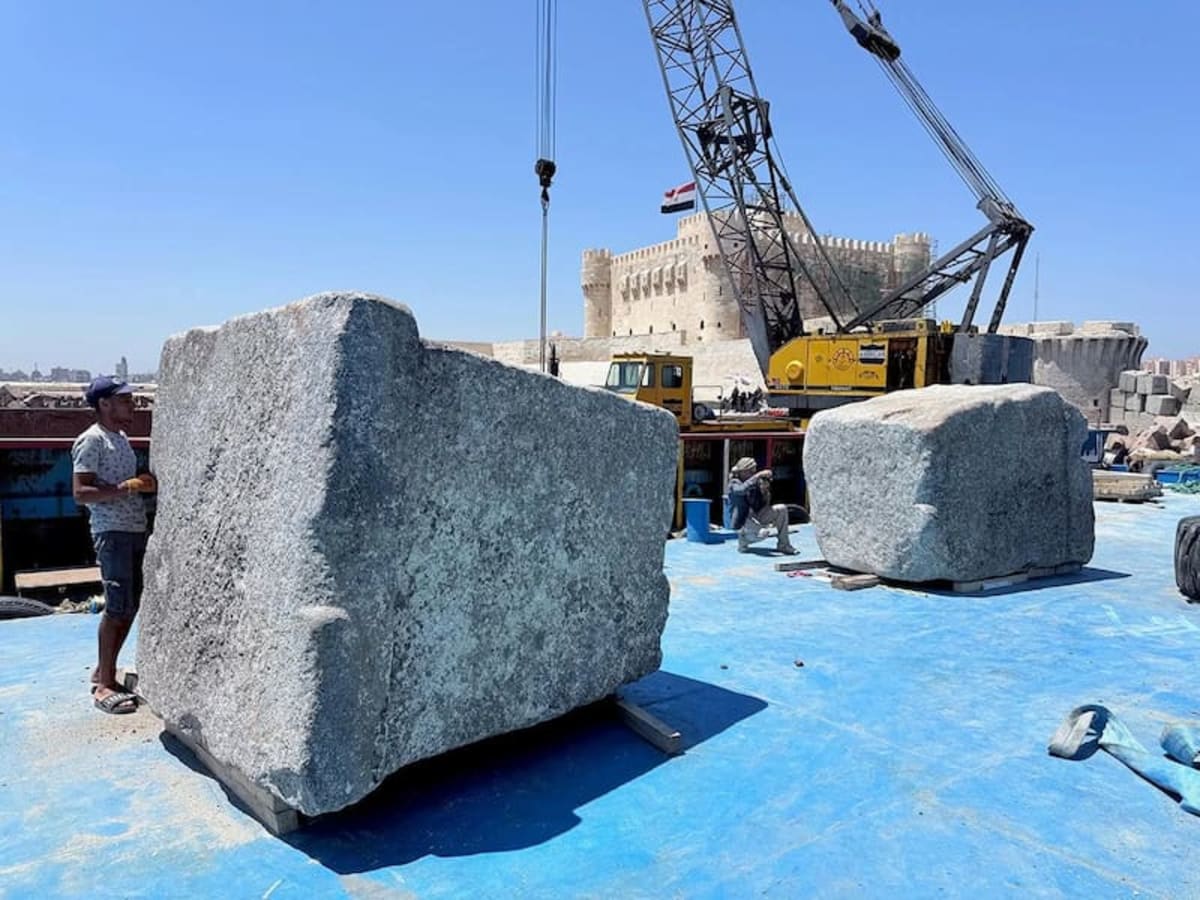
A team of international archaeologists has recovered 22 colossal blocks from the Mediterranean seabed off the coast of Egypt. Each stone weighs between 70 and 80 tons, and together they formed the monumental entrance to the Lighthouse of Alexandria, one of the Seven Wonders of the Ancient World.
The discovery is the culmination of three decades of underwater exploration. French archaeologist Jean-Yves Empereur first identified traces of the submerged lighthouse in 1994, documenting more than 3,300 objects including sphinxes, obelisks, and granite columns.
Now, the international PHAROS project is taking the work further. Led by archaeologist Isabelle Hairy from France's National Center for Scientific Research, the team is partnering with Egypt's Ministry of Tourism and Antiquities to digitally resurrect the ancient monument.
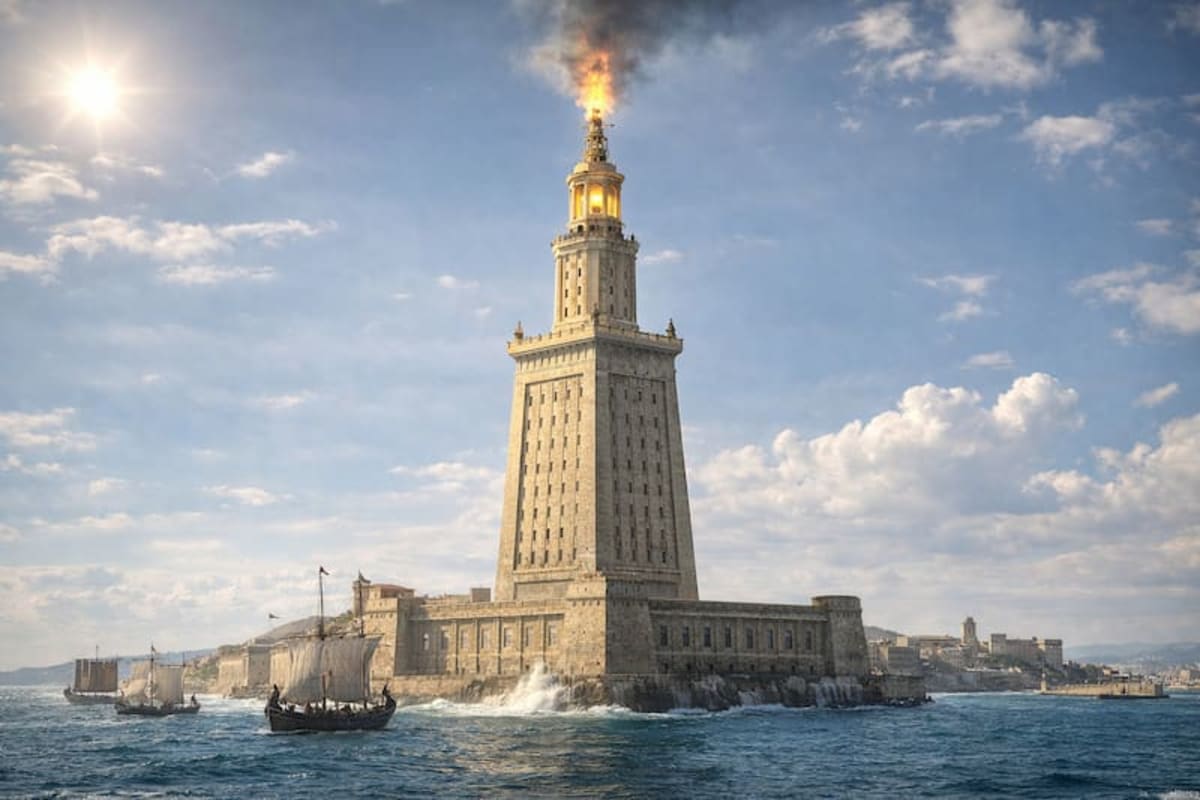
The recovered pieces include lintels, doorjambs, thresholds, and paving slabs that once welcomed sailors to the towering structure. Built in the early 3rd century BC under Ptolemy I Soter, the lighthouse stood over 100 meters tall on Pharos Island, guiding ships safely through Alexandria's treacherous coastal waters.
For more than 1,600 years, it held the title of the world's tallest human-made structure. That reign ended in 1303 when a devastating earthquake toppled the wonder into the sea.
The team is using advanced photogrammetry to scan each block in precise detail. Specialists from the Dassault Systèmes Foundation will then analyze the stones and virtually reposition them, like assembling a massive archaeological puzzle that's been scattered across the ocean floor for centuries.
More than 100 architectural fragments have already been digitally scanned underwater over the past decade. Historians, architects, and numismatists are also compiling ancient descriptions and depictions of the tower to ensure accuracy in the reconstruction.
The Ripple Effect
This project represents more than just recovering lost stones. It's reuniting the modern world with an engineering marvel that guided civilizations, bridged Egyptian and Greek architectural traditions, and inspired wonder for over a millennium.
The digital reconstruction will allow people everywhere to experience the lighthouse as ancient travelers once saw it, standing tall against the Mediterranean sky. Future generations will walk virtually through passages that haven't been whole since the Middle Ages.
After seven centuries beneath the waves, the Lighthouse of Alexandria is finally coming home.
More Images

Based on reporting by Google: archaeological discovery
This story was written by BrightWire based on verified news reports.
Spread the positivity!
Share this good news with someone who needs it