Andhra Pradesh Raises Pay After Staff Hits $7M in Sales
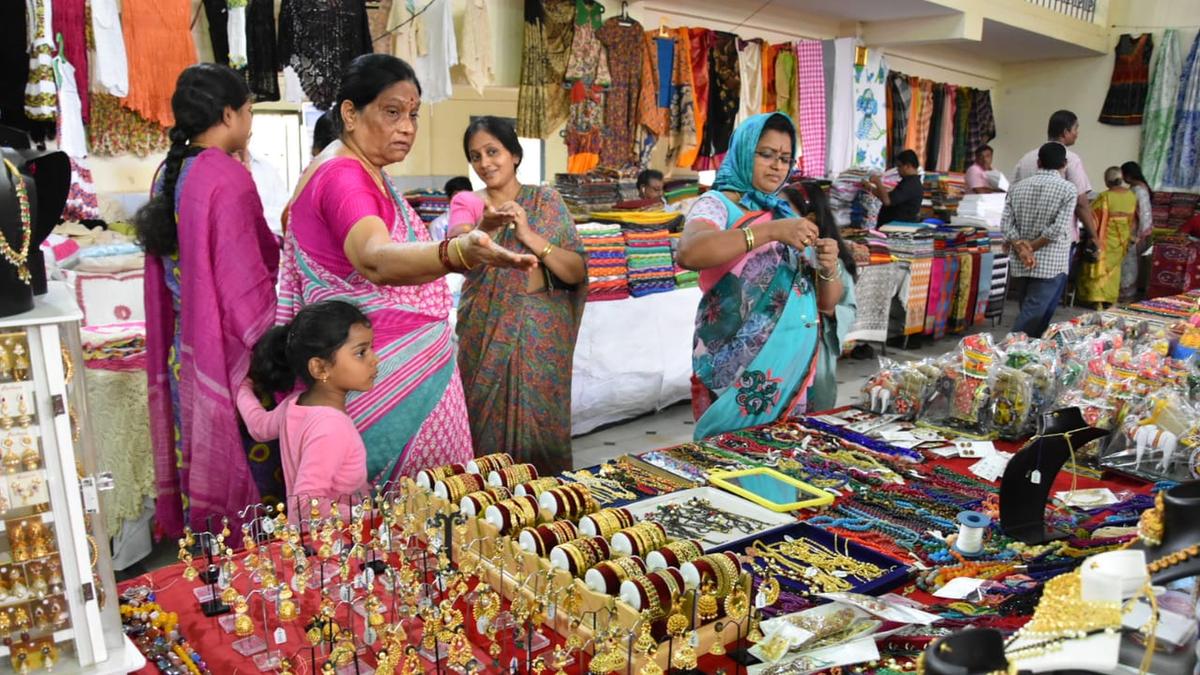
Hundreds of handicraft store workers in India just got a 10% raise after their teamwork pushed sales past $7 million. The government rewarded employees at Lepakshi showrooms for championing traditional artisan products across the state.
Workers at government-run handicraft stores in Andhra Pradesh, India are celebrating a well-earned pay raise after their efforts drove sales to record highs.
The state government announced a 10% salary increase for all outsourcing employees at Lepakshi showrooms, which specialize in traditional handloom and handicraft products. The decision came after statewide sales reached ₹60.75 crore (roughly $7.2 million) in 2025-26, a significant jump from previous years.
Minister S. Savitha, who oversees handlooms and textiles, approved the pay bump to recognize how the workforce transformed customer interest into actual sales. These employees don't just ring up purchases. They educate shoppers about indigenous craftsmanship, connect artisans with buyers, and keep centuries-old textile traditions alive in modern retail spaces.
The raise affects workers across multiple Lepakshi locations throughout Andhra Pradesh, providing financial relief to families who've championed local artisans while working on modest salaries. Many of these employees come from the same communities as the weavers and craftspeople whose products fill the stores.
Savitha congratulated the staff and expressed confidence that sales could reach ₹80 crore ($9.5 million) this year if momentum continues. She emphasized that the state government remains committed to supporting both the retail employees and the traditional artisans they represent.
The Ripple Effect
When handicraft store sales surge, the benefits extend far beyond employee paychecks. Higher revenue means more orders for village artisans who preserve weaving and crafting techniques passed down through generations. These traditional workers often lack direct access to urban markets, making government retail partnerships essential for their livelihoods.
The pay increase also sends a message about valuing work that bridges cultural preservation and commerce. As global fast fashion dominates retail, employees who successfully market handmade, locally produced items deserve recognition for swimming against that tide.
The minister noted that strengthening the handicrafts sector requires better marketing strategies and encouraging more public participation in buying indigenous products. When shoppers choose handloom textiles or traditional crafts, they're voting with their wallets for sustainable, culturally significant alternatives to mass production.
This success story shows what's possible when governments invest in both cultural preservation and the people who make it accessible to modern consumers.
Based on reporting by The Hindu
This story was written by BrightWire based on verified news reports.
Spread the positivity!
Share this good news with someone who needs it