Angola Cuts Malaria Cases 31% in One Year
Angola slashed malaria infections from 10 million to 6.9 million cases in just one year, saving countless lives through better diagnosis and treatment. A new vaccine coming in 2026 promises to accelerate progress even further.
Angola just achieved something remarkable in the fight against one of Africa's deadliest diseases.
The country reduced malaria cases by 31% in a single year, dropping from 10 million infections in 2024 to 6.9 million in 2025. Health Minister Silvia Lutucuta announced the milestone around World Malaria Day on April 25, calling it significant progress in a battle that touches nearly every Angolan family.
The victories came from concrete improvements on the ground. Early diagnosis became more widespread, allowing patients to get treatment before severe complications developed. Mortality rates dropped as more people received timely care when they needed it most.
But health officials know medical treatment alone won't win this fight. Minister Lutucuta emphasized that beating malaria requires tackling the conditions where mosquitoes breed and thrive, from stagnant water to inadequate sanitation.
Angola assembled a high-level commission bringing together unusual allies in this battle. The water ministry, environment officials, social services, finance experts, and territorial administrators now work alongside health leaders. This approach recognizes that preventing malaria means improving living conditions, not just distributing medicine.
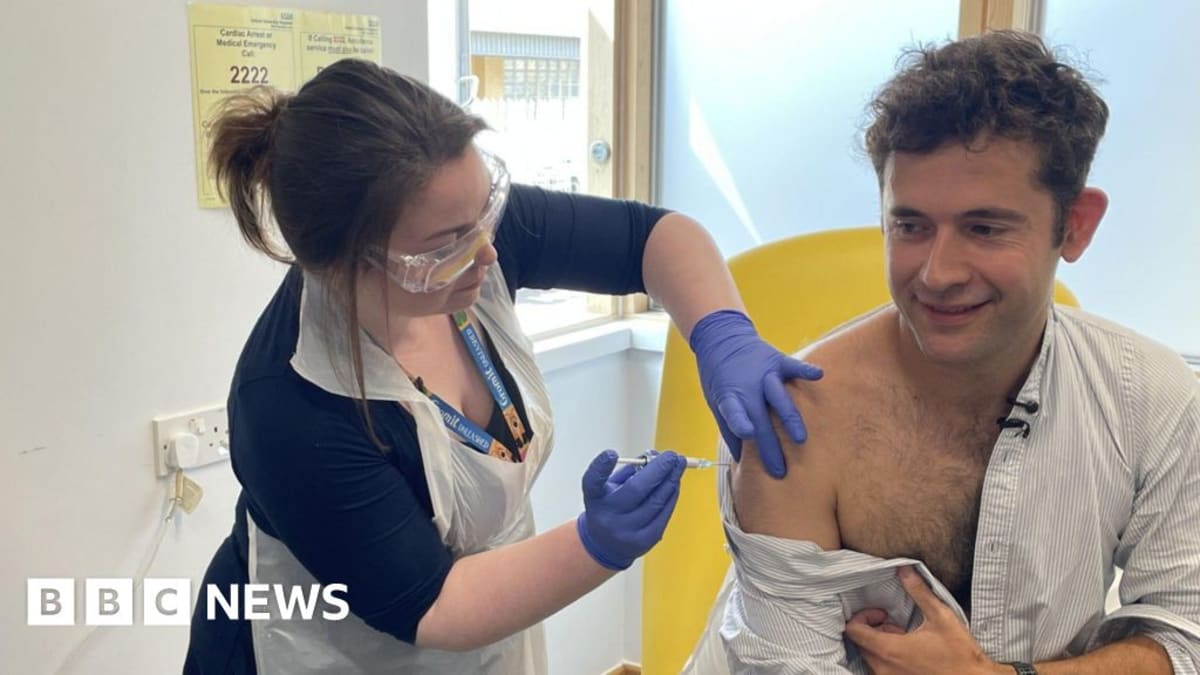
The country is preparing its most powerful weapon yet for 2026. A malaria vaccine, which Lutucuta described as a "strong and safe weapon," will launch next year to strengthen prevention efforts. The vaccine represents a breakthrough that could protect millions who currently face repeated infections throughout their lives.
The Ripple Effect
When malaria rates fall, entire communities transform. Children miss fewer school days and can focus on learning instead of recovering from fever. Parents lose less income to illness and caring for sick family members. Healthcare systems can redirect resources from emergency malaria treatment to other pressing needs.
Angola's maternal and infant mortality rates are also declining, while primary healthcare access has climbed to around 80% of the population. These improvements create a foundation for healthier generations ahead.
The minister acknowledged the journey isn't over. Malaria remains Angola's leading cause of death, and 6.9 million cases still represent millions of people suffering. But the 31% reduction proves that coordinated action works, and the vaccine arriving in 2026 offers hope for accelerating gains.
Three million fewer malaria cases means three million fewer families watching loved ones struggle with chills, fever, and exhaustion, and that's progress worth celebrating.
More Images

Based on reporting by AllAfrica - Health
This story was written by BrightWire based on verified news reports.
Spread the positivity!
Share this good news with someone who needs it