Angola Plants 3,000 Mangroves to Protect Luanda Coast
The coastal community of Luanda, Angola is planting 3,000 mangroves this month to shield their beaches from plastic pollution and protect the environment. The project combines community cleanup with long-term restoration.
A coastal community in Angola is turning a pollution problem into a green solution by planting 3,000 mangroves along two kilometers of vulnerable shoreline.
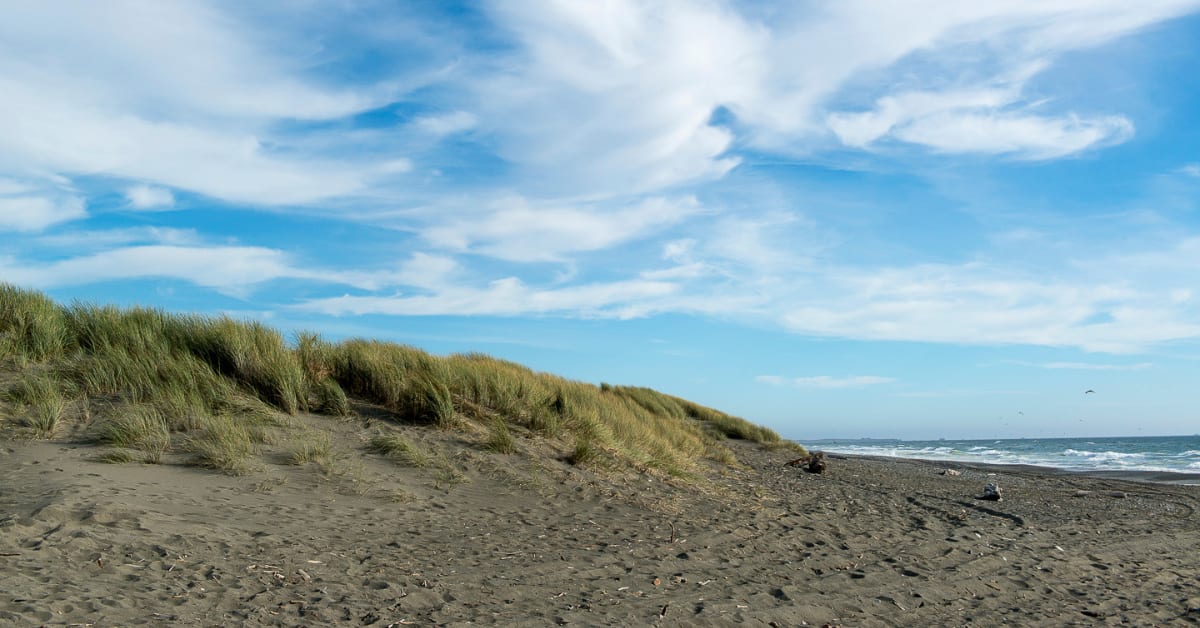
Luanda's Benfica commune is launching the restoration project this month along the stretch between Nicha Beach and the local fish market. The initiative comes after community leaders noticed that the Cambambe River deposits massive amounts of plastic waste along the coast during rainy seasons, threatening both wildlife and local livelihoods.
About 200 residents kicked off the project with a major cleanup campaign to prepare the planting area. They worked alongside crews from Elisal, the region's solid waste operator, who provided equipment and machinery to remove accumulated debris.
Maria Luísa Pedreira, administrator of Benfica municipality, explained that the mangroves will act as natural barriers. These coastal trees are famous for their ability to trap debris, filter water, and stabilize shorelines against erosion.
The campaign represents a shift from just cleaning up pollution to preventing it from reaching beaches in the first place. Instead of repeatedly removing plastic waste after every rainy season, the mangroves will catch debris before it spreads across the two-kilometer coastal zone.
The Ripple Effect
This project showcases how nature-based solutions can tackle multiple problems at once. Mangroves don't just filter out trash. They also provide nurseries for fish, protect communities from storm surges, and absorb massive amounts of carbon dioxide from the atmosphere.
For the local fishing community, healthier mangroves mean more fish and cleaner working conditions at the market. The trees' extensive root systems create perfect habitats for young fish to grow before heading to open water.
The cleanup and planting campaign also brings neighbors together around a shared goal. When 200 people show up to restore their coastline, it builds the kind of community connection that keeps environmental efforts going long after the first planting day.
Angola joins a growing movement of African nations investing in mangrove restoration, with similar projects underway in Kenya, Senegal, and Madagascar. These coastal forests are among the planet's most efficient carbon-capturing ecosystems, making them powerful allies in the fight against climate change.
The 3,000 new trees will transform Luanda's southern coast into a thriving green barrier that works harder every year it grows.
More Images


Based on reporting by AllAfrica - Environment
This story was written by BrightWire based on verified news reports.
Spread the positivity!
Share this good news with someone who needs it