Angola's $1.45B Farm Plan to Create 700,000 Jobs by 2030
Angola just launched a massive agricultural program that could create 700,000 jobs and generate $2.2 billion annually while slashing food imports. It's part of a wave of African countries turning farming into their biggest job creation engine.
Across Eastern and Southern Africa, farming is getting a major upgrade, and it could create millions of jobs in the next few years.
Angola just launched AgriConnect, a five-year program running through 2030 that aims to transform how the country grows, processes, and sells food. The ambitious plan targets 700,000 new jobs, $2.2 billion in annual added value, and benefits reaching nearly 8 million people.
The timing couldn't be better. Africa spends $65 billion every year importing food, even though the continent has enormous potential to feed itself. African farmers currently produce just one-third of what Asian farmers grow per acre, and only one-tenth of what farmers in wealthier countries produce.
But that's starting to change. Africa's food market is projected to hit $1 trillion by 2030, driven by the fastest-growing population on Earth and rising consumer demand. Countries across the continent are racing to capture that opportunity at home rather than watching it flow to imports.
Angola's approach treats farming as a complete system rather than isolated pieces. In the Lobito Corridor, smallholder coffee and fruit growers connect to new processing facilities whose products travel by rail to the Port of Lobito, then on to regional and international markets. Jobs get created at every stage: on farms, in processing plants, at storage facilities, and along transport routes.
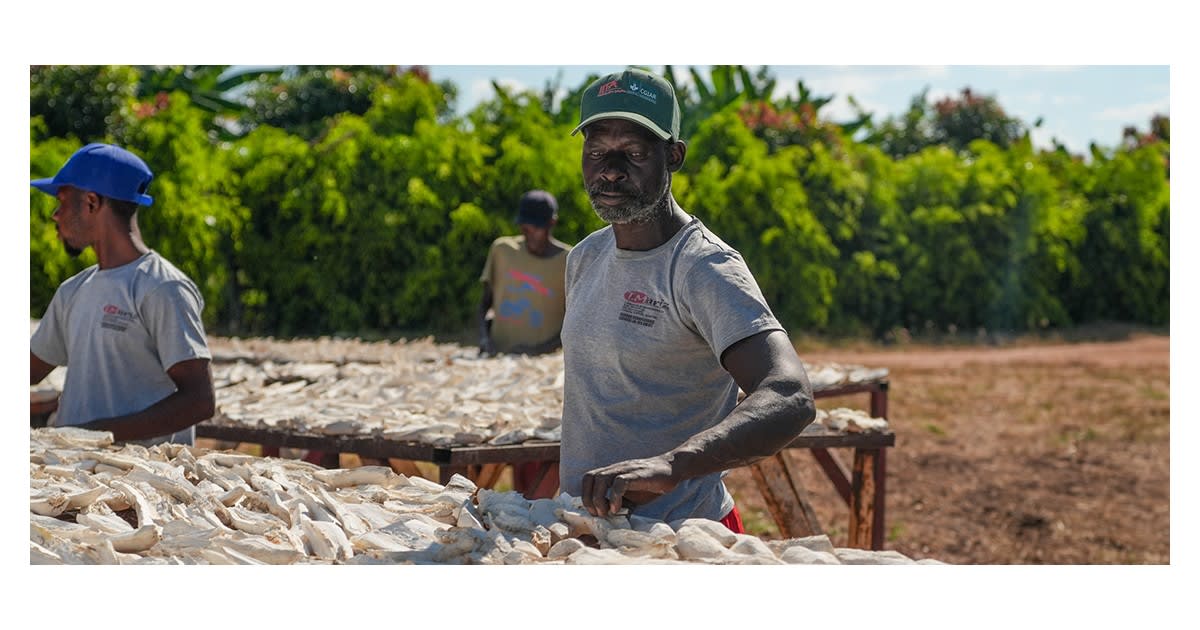
The program focuses on five key areas: staple crops like grains and cassava, coffee, tropical fruits including mangoes and avocados, livestock, and commercial forestry. The government has committed to specific policy reforms that make it easier for private companies to invest, with plans to mobilize $1.45 billion in public and private financing.
The Ripple Effect
Angola isn't working alone. Ethiopia, Kenya, Rwanda, Mozambique, Tanzania, and Uganda are all developing similar AgriConnect programs with support from the World Bank and development partners.
The African Continental Free Trade Area is making regional cooperation easier by lowering barriers and expanding markets across borders. Countries that once produced too little to export are now building value chains that cross national boundaries, creating jobs at every connection point.
The program also targets meaningful reductions in child malnutrition and a significant cut in Angola's food import bill. When countries produce more of their own food, money stays in local communities rather than flowing overseas.
For young Africans entering the job market, agribusiness represents one of the continent's most promising opportunities. The infrastructure is being built now, the financing is flowing, and governments are removing obstacles that previously held back private investment.
The window for transformation is open, and the momentum is real.
More Images

Based on reporting by Google News - Jobs Created
This story was written by BrightWire based on verified news reports.
Spread the positivity!
Share this good news with someone who needs it