Ann Arbor Launches First-Ever City Clean Energy Utility
A Michigan city is pioneering a revolutionary energy model that lets residents tap into solar power without buying panels. Over 1,500 people have already signed up for the program that could reshape how America powers its homes.
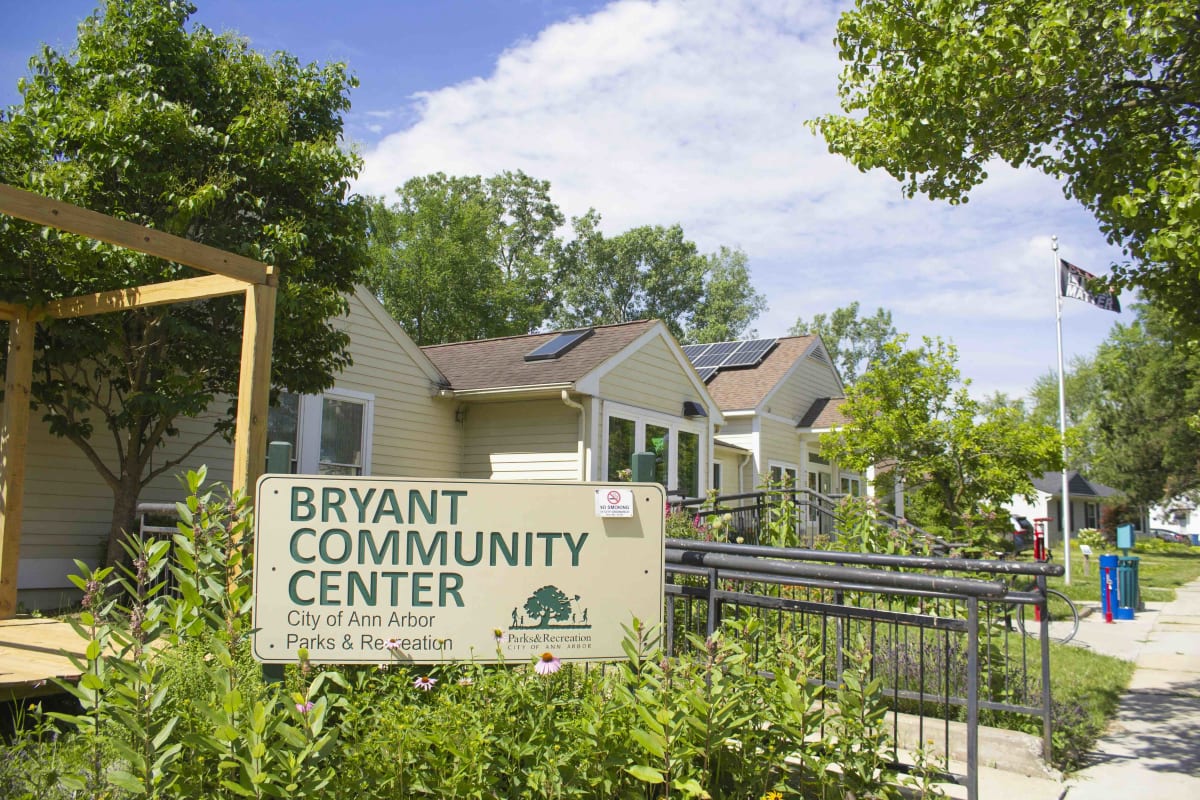
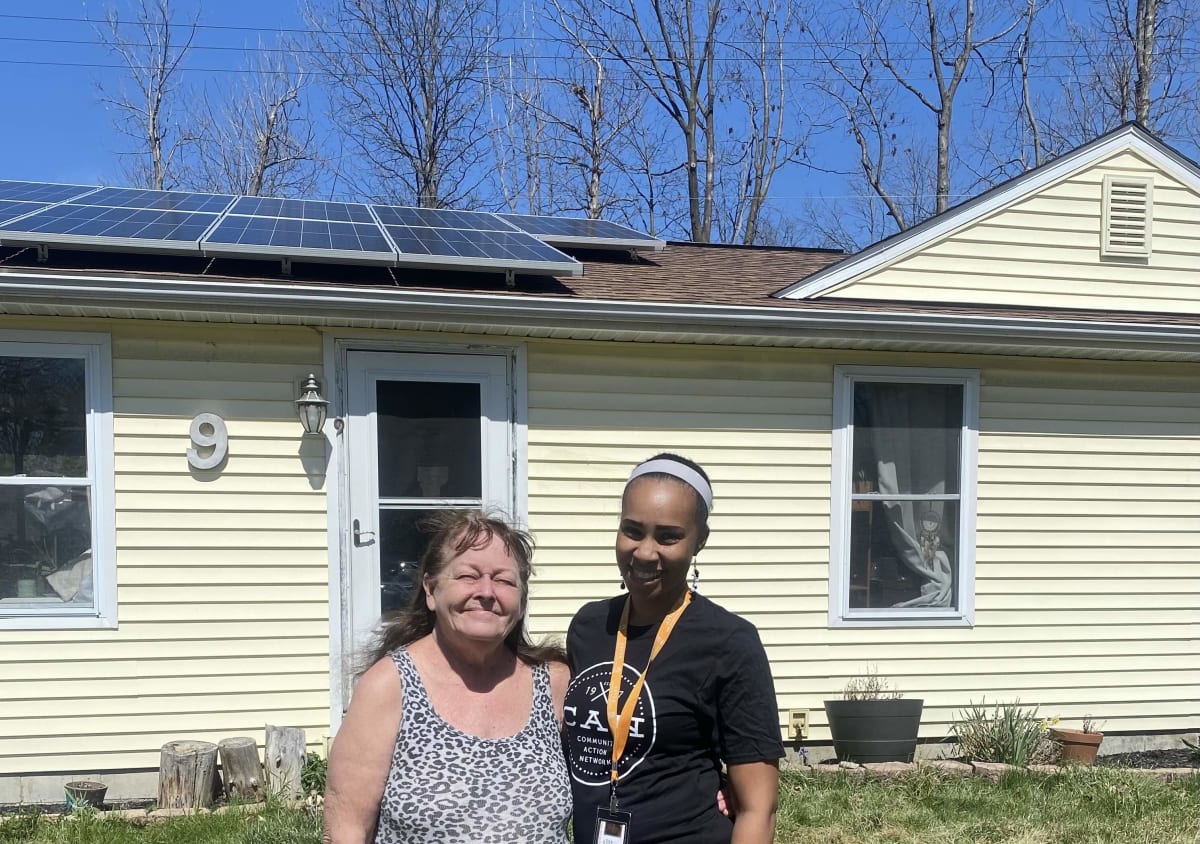
When Krystal Steward started knocking on doors in Ann Arbor's Bryant neighborhood three years ago, most people thought her offer sounded too good to be true. Free home energy upgrades from a community nonprofit? Nobody believed it at first.
But word spread quickly once neighbors saw the results. Now that same community of 260 homes is about to pilot something even bigger: America's first city-run Sustainable Energy Utility.
The idea is surprisingly simple. Residents opt into the program and get solar panels or battery systems installed on their homes at no upfront cost. The city owns and maintains the equipment, and homeowners pay for the clean energy they use through a monthly bill that costs less than their current utility payments.
"Just like customers don't own a power plant, the city owns and finances the system upfront," says SEU Executive Director Shoshannah Lenski. Participants still stay connected to the regular grid as backup, but they'll draw most of their power from clean energy.
The program solves a problem that's stumped many communities trying to go green. In Bryant, a quarter of residents pay more than a third of their income on utilities. Traditional solar installations require thousands in upfront costs that most families simply can't afford.
The new utility runs alongside the existing private company that serves Ann Arbor, not replacing it. DTE Energy, Michigan's largest electric utility, has actually supported the plan. The company sees it as help managing unprecedented new power demands.
Ann Arbor voters loved the concept too. Nearly 80 percent approved the ballot measure in November 2024, and the city launched signups in late February 2025.
The Ripple Effect
The response has exceeded expectations. More than 1,500 Ann Arbor residents have already indicated they want to participate, far beyond the initial Bryant neighborhood pilot.
The program especially helps renters, who typically get left out of green energy incentives because they don't own their buildings. Getting large apartment complexes signed up will be key to rapid expansion, Lenski says.
The SEU could even build microgrids. Imagine solar panels on a school roof powering classrooms during the day, then redirecting that energy to homes at night. The distributed model spreads clean energy across the entire city without requiring massive centralized infrastructure.
City officials plan to serve 100 to 150 Bryant customers this year, reach 1,000 participants in 2026, and grow by several thousand annually after that. The model offers lower financial risk than traditional utility takeovers and faces less political pushback since it's voluntary.
For Derrick Miller, executive director of Community Action Network, the transformation feels surreal. "When we started talking about decarbonizing the neighborhood four years ago, it felt outlandish," he says. "Now it doesn't feel like anyone can stop us."
Ann Arbor's experiment could offer a blueprint for cities nationwide struggling to meet climate goals while keeping energy affordable for everyone.
More Images

Based on reporting by Grist
This story was written by BrightWire based on verified news reports.
Spread the positivity!
Share this good news with someone who needs it