Ann Arbor Rally Empowers 500+ Survivors of Sexual Violence
Hundreds gathered in Ann Arbor for the 48th annual Take Back the Night rally, where survivors shared healing journeys and a community united behind the message "your story matters." The event transformed pain into power through marches, speeches, and a candlelight vigil that reminded survivors they're believed and supported.
Hundreds of voices filled the University of Michigan's Union building on April 2, chanting messages of solidarity and strength as survivors of sexual violence reclaimed their power.
The 48th annual Take Back the Night rally brought together students and community members for an evening of shared stories, supportive embraces, and a powerful march through Ann Arbor's streets. This year's theme, "your story matters," reminded every survivor that their experience deserves to be heard.
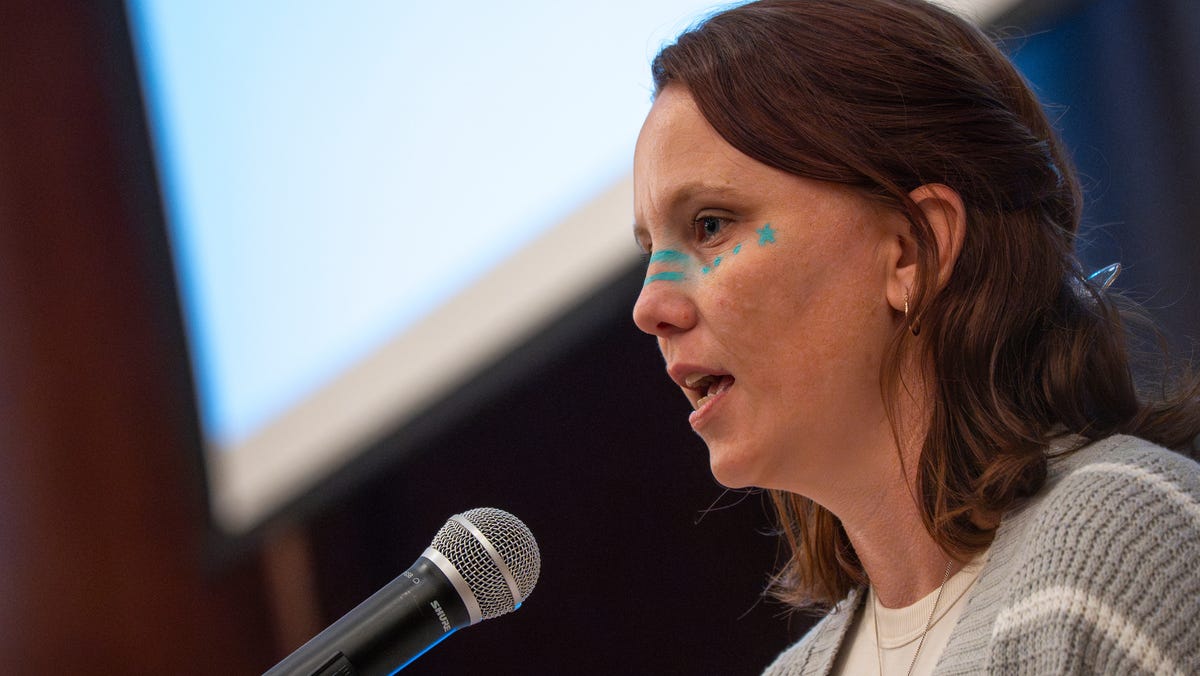
Jena-Lisa Jones, a life coach and Epstein survivor, delivered words that resonated with the crowd about what healing really looks like. "Healing isn't this straight inspiring path people talk about," she told attendees. "It's messy. It's inconsistent. Some days you feel strong, and other days, you feel like you're right back where you started."
But Jones offered hope alongside honesty. Even on the worst days, survivors aren't the same people they were before trauma, she explained. They've learned things, survived things, and that counts.
The Stand Tough Against Rape Society has organized this event for nearly five decades, creating a space where survivors can share their stories on their own terms. Executive Director Pam Swider emphasized that every story matters, whether it makes headlines or not.
Attendees showed support in visible, meaningful ways. Some wore teal bracelets signaling they're survivors, while others painted teal "war paint" on their faces to show solidarity and build confidence together.
Ann Arbor Mayor Christopher Taylor presented a proclamation declaring April as Sexual Assault Awareness Month. He reminded the crowd that addressing violence requires everyone's participation, not just those directly affected.
Around 9 p.m., the rally transformed into a march. Police on motorcycles blocked off streets as protesters walked together, their chants echoing: "We have the power, we have the right. The streets are ours. Take Back the Night."
Why This Inspires
Amy Marchant, a local therapist, brought her three daughters to the event. She sees it as a chance to teach important lessons about boundaries and consent from an early age, turning difficult conversations into empowering ones.
Mary Margaret Johnson of Marshall spoke about why she returns to the rally year after year. As a single woman, she sometimes feels afraid walking alone, even in familiar places. The rally reminds her she's not alone in those fears or in fighting back against them.
The evening closed with a candlelight vigil around 10 p.m. Remaining attendees held each other, swayed together, and sang "Lean On Me" while candles flickered in the darkness.
Swider left the crowd with a crucial message: when survivors share their stories, allies must listen without judgment, believe without question, and support without condition. That simple act of being heard and believed can make all the difference in a healing journey.
Nearly five decades of Take Back the Night rallies prove that communities grow stronger when they stand with survivors, transforming isolation into connection and shame into strength.
More Images
Based on reporting by Google: survivor story
This story was written by BrightWire based on verified news reports.
Spread the positivity!
Share this good news with someone who needs it